A CNC machine can lose hours of production because one motor component does not fit, overheats, or sends unreliable feedback. Cnc Motor Parts may include spindle motors, servo motors, drives, encoders, and related mechanical components. Each choice affects accuracy, uptime, and maintenance costs. Small details matter: a shaft diameter, encoder interface, mounting pattern, or voltage mismatch can turn a promising purchase into an expensive delay.
Industry data shows why careful sourcing matters. The International Federation of Robotics reported 4,281,585 industrial robots operating worldwide in 2023, with 541,302 installations that year. This does not measure CNC motor demand directly, but it reflects the growing scale of automated production and its need for dependable motion components. The International Energy Agency has also estimated that electric motor-driven systems use about 45% of global electricity. Its report underscores the value of considering efficiency alongside purchase price.
A sound buying decision starts with the machine’s actual requirements, not a broad product label. Check rated speed, torque, duty cycle, cooling method, feedback type, and compatibility with the existing drive. Ask suppliers for datasheets, dimensional drawings, warranty terms, and traceable product information. Verify critical measurements against the machine manual. It takes minutes.
This guide explains seven practical checks for comparing suppliers and parts. Some specifications still deserve a second look; listings can be incomplete, and a low price proves little. Careful verification is less exciting than a quick order. It is usually cheaper.
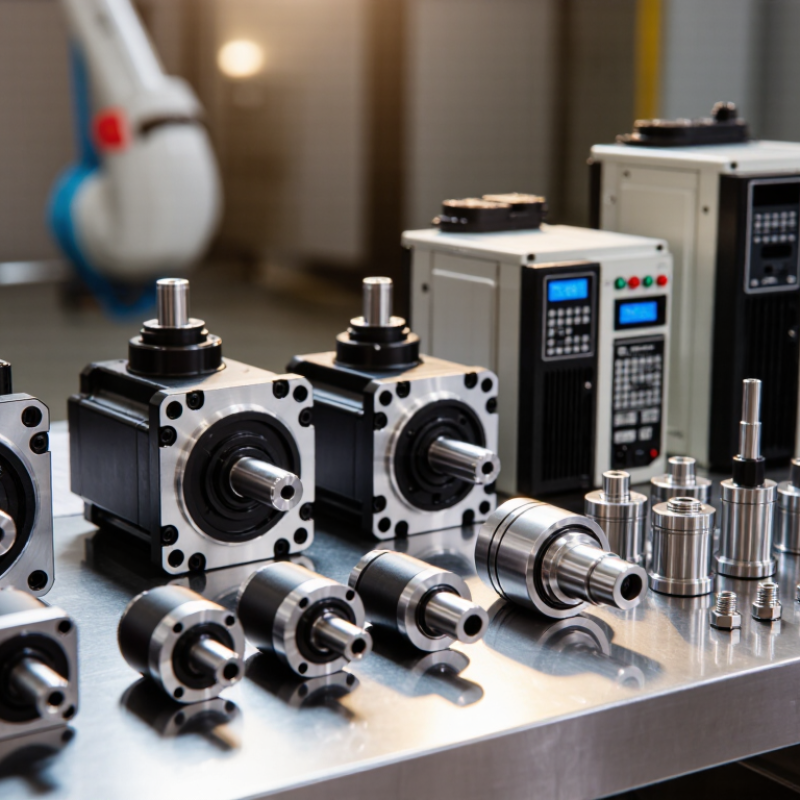
Before ordering a CNC motor part, identify the component precisely. Is it the servo motor, spindle motor, encoder, brake, or a cable? These parts can look similar in a cabinet, but their functions differ. Check the machine documentation, part label, and service records rather than relying on a photo alone. Measure the shaft, mounting face, and connector, and note the pin arrangement. Small differences matter. A connector that seems to fit may still have a different pinout.
Then record the operating requirements: supply voltage, phase, rated current, speed range, torque, and duty cycle. Include feedback type and brake requirements, if applicable. A spindle running for long periods has different needs from an axis motor that starts and stops repeatedly. Note nearby heat, dust, and vibration, too. Fit is not enough. A replacement may bolt into place but fail to match the drive or workload. It is easy to overlook peak torque during acceleration, so check the machine’s actual cycle and drive settings. If a rating is unclear, pause and verify it with the machine documentation or a qualified technician; guessing can turn a small parts order into avoidable downtime.
Before ordering CNC motor parts, compare the motor’s shaft, frame, and mounting dimensions with the machine’s specifications. Measure the shaft diameter and length, then check for a keyway or flat that matches the coupling. A caliper helps. Small differences can cause runout, vibration, or a coupling that will not seat fully.
Check the mounting face, bolt-hole spacing, and pilot diameter as well. The pilot centers the motor; bolts alone may not keep it accurately aligned. Don’t rely only on a similar-looking photo. A loose fit can shift under load. It is easy to assume that motors with the same frame size will interchange, but that assumption deserves a second look. Verify the drawing or measure the old part before buying.
Electrical compatibility matters just as much. Match the motor’s voltage, current, phase, and speed range to the drive and power supply. Confirm encoder type and feedback resolution if the CNC system uses closed-loop control. Check connector pinouts, too; matching plugs do not guarantee matching wiring. Keep cable shielding and grounding requirements in view, especially around drives that can introduce electrical noise. A practical check: compare the motor and drive manuals side by side, and pause if any rating or connection remains unclear.
When buying CNC motor parts, compare ratings against the actual cutting task, not just the machine’s peak figures. Tip 1: Check continuous torque, which keeps a spindle or feed axis moving under load. Tip 2: Compare peak torque separately; it helps with brief acceleration but cannot describe sustained performance. Tip 3: Match speed to the tool and material. A motor that spins quickly may still lack torque at lower speeds. Read the full speed range.
Precision depends on the motor and the complete motion system. Tip 4: Review encoder resolution and feedback compatibility, then consider backlash and coupling quality. Tip 5: Check repeatability under load, not only a no-load accuracy figure. A small mismatch can show up as uneven edges on a test cut. Tip 6: Confirm the duty rating. Continuous operation creates more heat than short cycles, so cooling and installation space matter.
Tip 7: Leave a practical margin for torque and thermal load, but avoid oversizing without checking drive compatibility. Compare rated voltage, current, shaft dimensions, and mounting pattern before ordering. Keep the machine’s ambient temperature and work cycle in mind. Specs can look tidy on a chart; real setups are less tidy. If ratings are unclear, ask for test conditions or measure the existing motor during a typical job.
At a constant torque of 2 N·m, theoretical mechanical power increases with rotational speed. Values are calculated using P = torque × angular speed; they do not represent a specific motor’s rating.
When comparing CNC motor parts, check continuous and peak torque, required operating speed, positioning accuracy, and the manufacturer’s rated duty cycle. Confirm that the motor, drive, and mechanical load are compatible; a higher speed does not by itself guarantee adequate torque or precision.
A CNC motor part can look precise and still fail under heat, vibration, or repeated starts. Check the housing for clean edges, even coatings, and cracks around mounting holes. Ask for material specifications and inspection records, not just a polished product photo. Small details matter. A shaft that feels slightly rough may signal poor finishing, though appearance alone cannot prove a defect.
Tip: Confirm that certificates match the exact part and material you are buying. Check the document’s scope, issue date, and traceability details, such as a lot number. Certifications can support quality claims, but they do not replace inspection. If a supplier cannot explain what its documents cover, pause before ordering.
Supplier reliability matters when a machine is down and a replacement is urgent. Ask about stock accuracy, lead times, packaging, and how problems are handled. A clear answer is useful; a specific answer is better. Request a sample or dimensional report for critical parts, then compare key measurements with your drawing. No checklist catches every mismatch. It is easy to overvalue a fast quote, so weigh communication and evidence alongside price. A short delay for verification may prevent a longer interruption later.
A low purchase price can hide costs that appear after delivery. Compare the full cost, including freight, mounting hardware, cables, and any setup work. Check whether the motor fits your machine’s voltage, shaft size, and control system. A mismatch can mean extra parts or hours of troubleshooting. Ask for an itemized quote. Small costs add up.
Read the warranty terms before ordering. Confirm how long coverage lasts, which failures qualify, and whether labor or return shipping is included. Ask what evidence is needed for a claim, such as photos, test readings, or the original invoice. A long warranty sounds reassuring, but unclear exclusions can weaken its value. Keep the terms on file.
After-sales support matters when a motor behaves differently under load than it did on the bench. Check whether technical help is available by phone or email, and ask about typical response times. Useful support should help verify wiring, parameter settings, and compatibility without guessing. It may also include clear installation notes. One detail is easy to overlook: support hours may not match your maintenance schedule. Compare the whole service offer, not just the sales promise.
Check whether you need a servo motor, spindle motor, encoder, brake, or cable. Compare machine documents, labels, and service records. A photo alone is not enough.
Measure the shaft and mounting face, then check the connector and pin arrangement. A plug can fit but still have the wrong pinout. Easy to miss.
Note voltage, phase, rated current, speed range, torque, and duty cycle. Also confirm feedback type and brake requirements when applicable.
Continuous torque supports movement under ongoing load; peak torque covers brief demands such as acceleration. One number cannot describe both. Check the actual machine cycle.
Match the motor’s full speed range to the tool and material. High speed does not guarantee enough torque at lower speeds.
Check encoder resolution and feedback compatibility, then consider backlash and coupling quality. Repeatability under load matters. A test cut may reveal uneven edges.
Continuous operation creates more heat than short cycles. Check the duty rating, cooling, installation space, and nearby heat, dust, and vibration.
No. Confirm voltage, current, shaft dimensions, mounting pattern, and drive compatibility. Allow practical torque and thermal margin, but do not oversize blindly. Specs look neat; real setups can be messy.
Choosing Cnc Motor Parts requires more than matching a component to a machine. Start by identifying the part’s function and the operating conditions it must handle, including the machine type, workload, environment, and expected operating hours. Then confirm that the part fits the available space and mounting points, and that its electrical requirements are compatible with the system. Careful checks can help prevent installation problems and reduce the risk of poor performance.
Compare torque, speed, precision, and duty ratings against the machine’s actual needs rather than relying on a single specification. Assess build quality, relevant certifications, and the supplier’s reliability, including the clarity of product information and availability of technical support. Finally, consider the total cost, not just the purchase price: account for warranty coverage, delivery, installation, maintenance, and after-sales service. A thoughtful comparison helps buyers select a suitable part that supports dependable operation and long-term value.

Haochu Machinery