What Is the Best Die Equipment to Buy in 2026?

Time:2026-11-02 Author:Mason
0%

What is the best Die Equipment to buy in 2026? The right choice depends on the work it must perform, not just its price or advertised speed. A packaging shop cutting paperboard has different needs from a manufacturer stamping sheet metal. Start by identifying the material, expected production volume, required accuracy, and available floor space. Those details narrow the field quickly.

Look beyond the machine’s headline specifications. Check its usable die size, operating pressure, changeover time, safety features, and compatibility with your existing tools. Ask suppliers for current technical documentation, service terms, and realistic maintenance requirements. If possible, inspect a demonstration using material similar to yours. A machine may look impressive on a showroom floor, yet struggle with your actual stock or workflow. Small details count.

This guide compares common Die Equipment types and explains which features deserve closer attention in 2026. It also considers total ownership costs, including installation, consumables, training, and downtime—not only the purchase price. No single winner. A reliable choice should match the job, fit the budget, and have accessible support. Be cautious with broad performance claims unless the supplier can show how they were measured. Even a careful checklist has limits; production conditions change, and estimates can miss a bottleneck. Use the comparisons as a starting point, then confirm critical specifications with the manufacturer and your own operators before committing.
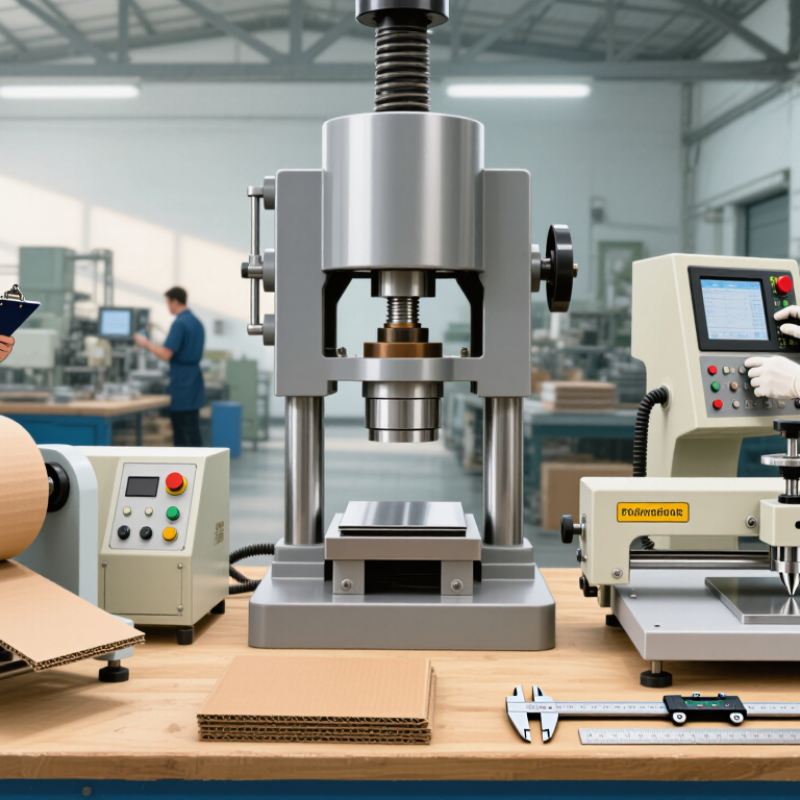
What Is the Best Die Equipment to Buy in 2026?

Classify Die Equipment by Process, Material, and Annual Output (parts/year)

Choosing die equipment in 2026 starts with the forming process, not the machine’s advertised speed. Blanking and piercing dies suit flat parts; bending dies form angles, while progressive dies combine operations along one strip. Deep-drawing dies handle cup-shaped parts but need careful control of material flow. A simple part can still be fussy.

Annual volume helps narrow the investment. As a planning guide, below 50,000 parts per year, a simpler single-operation die may be easier to justify. From 50,000 to 500,000 parts, a compound or progressive die can reduce handling, if setup and maintenance are well managed. Above 500,000 parts, automation and durable tooling may matter more than the lowest purchase price. These bands are not guarantees; part geometry and changeover frequency can shift the decision. Numbers can mislead.

Material changes the tooling choice. Thin, soft sheet may need different clearances from thick, high-strength stock; abrasive grades can accelerate wear. Tool steel is common, while carbide can suit long runs or abrasive materials, though it raises upfront cost. Ask suppliers to review sample parts, material thickness, tolerances, and expected annual output. Request estimates for sharpening and changeovers, too. I would leave capacity in reserve, but not pay for speed the line cannot use.

Size the Press by Cutting Force (kN), Bed Area (mm²), and Die Dimensions

In 2026, size a press from the die’s actual load and footprint, not its advertised tonnage alone. For blanking, estimate force as cut perimeter × sheet thickness × material shear strength. ASM Handbook, Volume 14B, explains this sheet-forming approach. For example, a 200 mm cut perimeter through 1.5 mm stock at an assumed 300 N/mm² shear strength needs about 90 kN before stripping forces. That is a starting estimate, not a final specification. Material variation and uneven wear matter.

Check the press force-stroke chart: rated capacity may apply only near bottom dead center. Then compare the die’s length × width with usable bed area, in mm², and confirm the bolster supports the entire die. A 400 × 300 mm die occupies 120,000 mm²; the press bed must provide adequate mounting space beyond that footprint. Also check shut height, stroke, and load position. ISO 16092-2:2019 covers mechanical press safety, but safe operation does not replace engineering checks for die fit or force.

Tips: Keep a small load worksheet beside the die drawing. Record perimeter, stock thickness, estimated shear strength, and calculated force. Then verify the result against the press maker’s force-stroke data and your material test results. The estimate can still be wrong; test cautiously and revise it.

Compare Cycle Rate (SPM), Changeover Time (min), and Uptime (%)

What Is the Best Die Equipment to Buy in 2026?
Compare Cycle Rate (SPM), Changeover Time (min), and Uptime (%)

Choosing die equipment in 2026 means comparing performance under conditions your shop actually faces. Cycle rate, measured in strokes per minute, shows potential output, but not the whole story. A high SPM figure matters only if parts meet tolerance and the press can sustain that pace. Compare quoted rates using the same material, die complexity, and operating pattern. Track changeover time from the final good part of one run to the first approved part of the next. Also record uptime across several shifts, not just during a short demonstration.

Tips: Ask for a timed changeover with your typical die. Include setup, alignment, and first-piece checks. Request uptime records and clarify what counts as downtime. Small details matter.

A useful comparison sheet should show SPM, changeover minutes, and uptime percentage side by side. Then estimate good parts produced per scheduled hour; this helps reveal trade-offs between speed and availability. For example, faster equipment may lose its advantage if frequent adjustments interrupt production. These figures still miss operator workload, maintenance access, and scrap during startup. I would not buy on one impressive metric alone. Test representative jobs, document the results, and leave room for uncertainty in the forecast.

Estimate 5-Year Cost per Part Using Energy (kWh), Labor, and Tooling

What Is the Best Die Equipment to Buy in 2026?

Compare die equipment by five-year cost per accepted part, not purchase price alone. Use this model: electricity cost plus loaded labor cost plus tooling cost, divided by good parts produced. The U.S. Energy Information Administration’s Electric Power Annual reports industrial electricity prices around 8 cents per kWh in 2023; treat that as a benchmark, not your plant’s actual tariff. Record each machine’s measured kWh per production hour, then multiply by annual operating hours and your utility rate. Small differences add up. A press drawing 12 kWh per hour over 4,000 hours uses 48,000 kWh yearly, before idle time or demand charges.

Labor needs the same care. The Bureau of Labor Statistics reported private-industry compensation averaging $43.78 per hour in March 2024, including wages and benefits. Your local loaded rate may differ. Divide operator time per part by 3,600, then multiply by that rate; include setup, inspection, and interventions, not just cycle time. For tooling, divide die, repair, and regrind costs across the parts actually produced during five years. A long tool life is only useful if demand keeps the die running. Use supplier life estimates cautiously. They may not match your material or maintenance habits. Run a low-volume and high-volume scenario, and check scrap, downtime, and changeover assumptions against shift records. The comparison will still be imperfect. That is useful: it shows which missing measurement could change the buying decision.

What Is the Best Die Equipment to Buy in 2026?

Estimated five-year cost per good part, including machine energy, direct labor, and die tooling

Under these assumptions, the servo press has the lowest modeled cost at about $0.0397 per part. Estimates assume 1,000,000 good parts over five years, electricity at $0.12/kWh, loaded labor at $30/hour, and $20,000 in die tooling allocated across production. Energy use and operator time are illustrative planning inputs; actual results depend on the part, die, production rate, and plant conditions. Press purchase price, financing, maintenance, scrap, and facility costs are excluded.

Check Machine Safeguards Against ANSI B11.1 and ISO 12100

What Is the Best Die Equipment to Buy in 2026?

When comparing die equipment, look beyond press capacity and cycle speed. Check how the machine controls access to the point of operation. ANSI B11.1 addresses safety for mechanical power presses, while ISO 12100 provides a broader method for identifying hazards and reducing risk. Confirm which requirements apply to the specific machine and its use. A standard name alone does not prove a setup is safe.

Ask for safeguarding details, not just a checkbox on a sales sheet. Review fixed or interlocked guards, presence-sensing devices, control reliability, and stopping performance. Check that the setup suits the die, material, and planned production speed. For example, a guard that works with one die may leave an access gap after a tooling change. Have qualified personnel assess the installation and verify safeguards before operation. Paperwork helps, but it cannot replace a physical inspection.

Tips: Request the risk assessment, safeguard drawings, and stopping-time test records. Walk around the machine and inspect likely access points. Ask what changes require a new assessment. Small gaps matter. A checklist can still miss a real hazard, so leave room to question assumptions.

FAQS

How should I compare die equipment costs?

Compare five-year cost per accepted part, not purchase price alone. Include electricity, loaded labor, and tooling.

How can I estimate electricity costs?

Measure each machine’s kilowatt-hours per production hour. Multiply by yearly operating hours and your actual utility rate. An 8-cent rate is only a historical benchmark.

What energy use might a press have?

At 12 kWh per hour for 4,000 hours, a press uses 48,000 kWh yearly. Idle time and demand charges can raise the bill.

Which labor costs belong in the estimate?

Include setup, inspection, and operator interventions, not only cycle time. Convert operator seconds per part into hours, then multiply by your loaded hourly rate.

How should I estimate tooling costs?

Spread die, repair, and regrinding costs across parts produced during five years. A long tool life helps only when demand keeps the die running.

Why calculate low- and high-volume scenarios?

Production volume changes how fixed tooling costs are shared. Check scrap, downtime, and changeover assumptions against shift records. Some records may be incomplete.

What safety details should I review before buying?

Request the risk assessment, guard drawings, and stopping-time test records. Inspect access points in person. Paperwork is not enough.

Can a safeguard remain effective after a die change?

Not always. A guard suited to one die may leave an access gap after tooling changes. Reassess the setup before operation.

What should happen before the machine runs?

Qualified personnel should verify safeguards and stopping performance. Confirm that protections suit the die, material, and planned speed. A checklist can still miss something.

Conclusion

Choosing the best Die Equipment in 2026 starts with matching the machine to the work. Identify the forming or cutting process, material properties, and expected annual output in parts per year. Then size the press for the required cutting force in kN, confirm the bed area in mm² can accommodate the die, and check that the die dimensions fit safely within the machine’s working space.

Compare cycle rate in strokes per minute (SPM), changeover time in minutes, and expected uptime to understand practical production capacity. Look beyond purchase price by estimating the five-year cost per part, including energy use in kWh, labor, maintenance, and tooling. Finally, review guarding, controls, and operating procedures against ANSI B11.1 and ISO 12100. A well-matched system balances production needs, long-term costs, and operator safety rather than maximizing any single specification.

Mason

Mason

Mason is a seasoned marketing professional with a deep expertise in the company's offerings and a passion for driving brand awareness. With a strong background in digital marketing strategies, he has an innate ability to connect with diverse audiences and effectively communicate product benefits.......