Choosing the right oil pipeline fittings for global sourcing is crucial for any project. According to industry expert John Miller, "The integrity of oil pipelines often hinges on the quality of fittings." This statement underscores the importance of selecting the right components to ensure safety and efficiency in oil transportation.
In today's market, numerous options are available for oil pipeline fittings. However, not all fittings are created equal. Each project has unique requirements that must be met. Sourcing the right fittings involves considering material quality, compatibility, and supplier reliability. A single poor choice can lead to significant operational risks, emphasizing the need for careful selection.
Understanding the environment where the fittings will be used is essential. Factors such as temperature, pressure, and exposure to corrosive substances play a critical role. Researching suppliers thoroughly can help in making informed decisions. It's vital to acknowledge that sourcing is not merely a transactional process; it demands a strategic approach to avoid costly errors and ensure long-term success in the oil industry.
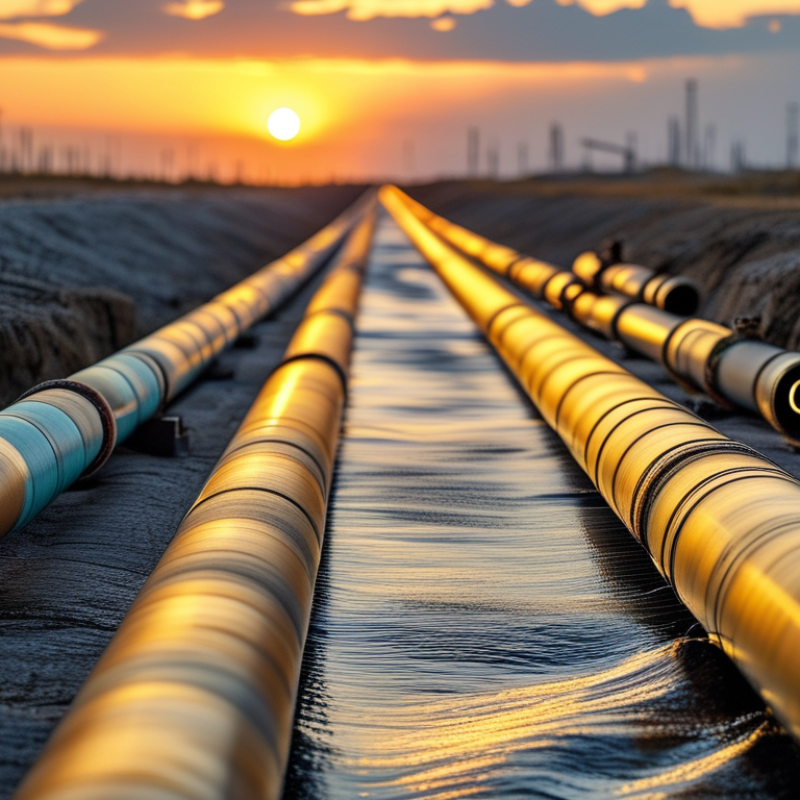
When sourcing oil pipeline fittings, understanding the available types is critical. There are various fittings, such as flanges, valves, and tees. Each type serves distinct functions. For instance, flanges connect sections of pipe, ensuring a tight seal that can withstand high pressure. Reports indicate that the flange market alone is projected to reach $9.5 billion by 2026, reflecting ongoing demand in the oil sector.
Valves are essential for controlling the flow of oil. They come in different types, like gate, globe, and check valves. According to industry data, the global valve market for oil and gas is expected to grow significantly, driven by the need for efficiency. T-fittings are used to branch off a pipeline, which can lead to challenges in alignment and pressure changes. Ensuring proper selection and installation is vital to avoid costly leaks.
One must also consider the materials used. Common materials include carbon steel, stainless steel, and PVC. Each material has advantages and drawbacks. For example, carbon steel is strong but prone to corrosion. Stainless steel offers better resistance but may have higher initial costs. Balancing these factors requires significant expertise and awareness of industry standards. This complexity can lead to errors in procurement, emphasizing the need for thorough research and consultation.
Choosing the right oil pipeline fittings is crucial for maintaining system integrity. Start by assessing the
material compatibility. Different environments require specific materials. Steel,
for example, is often favored for its strength, while plastic fittings can resist corrosion.
Always consider the fluid being transported and the working conditions.
Pressure ratings are another important factor. Ensure that the fittings can withstand operational pressures without
failing. The size and connection type also matter. Mismatched sizes can lead to leaks or joint failures. In some cases, custom fittings might
be necessary to suit unique requirements.
Don’t overlook the importance of certification and standards. Fittings should meet industry regulations to
ensure safety and reliability. Experience in sourcing can guide you in identifying reputable suppliers. Keep in mind that price
is not always an indicator of quality. Sometimes, cheaper options might lead to costly failures later on. Always weigh cost against potential risks.
Getting it right can have a lasting impact on operational efficiency.
Selecting the appropriate material for oil pipeline fittings is critical for reliability and performance. Common materials include carbon steel, stainless steel, and various polymers. Carbon steel offers high strength and durability, while stainless steel provides excellent corrosion resistance. According to a recent industry report, stainless steel fittings reduce corrosion-related failures by approximately 30%. However, these benefits come at a higher cost.
When considering polymers, options like PTFE and nylon have gained traction. They are lightweight and resistant to aggressive chemicals. A study by the American Petroleum Institute highlights that polymer fittings can reduce weight-related installation costs by 15%. Yet, their temperature and pressure limitations may not suit all environments. Understanding these material properties is essential to ensure compatibility with system requirements.
Tip: Always evaluate pressure ratings and temperature limits before making a selection.
Revisiting supplier specifications is also vital. Often, manufacturers provide data that can mislead. Double-check these figures to ensure they meet industry standards. Regularly reviewing material performance can reveal trends in reliability and longevity, potentially preventing costly failures.
Tip: Maintain an updated database of material performance for easy comparison.
Choosing the right oil pipeline fittings requires careful evaluation of compatibility with pipeline specifications and industry standards. It's vital to know the specifics of the pipes you are working with. Materials, dimensions, and pressure ratings must align with the fittings you source.
Assessing compatibility should start with a detailed review of pipeline specifications. Use relevant industry standards, such as ASTM or ISO, to guide your selection. These guidelines ensure not just functionality, but also safety and durability. Always consider the environmental conditions where fittings will be used. This ensures they withstand potential degradation.
Tips: When sourcing fittings, always ask for technical datasheets. This information provides insights into material properties and performance under stress. Cross-reference this data with industry standards to avoid costly mistakes. Additionally, consult with engineers or specialists to elevate your decision-making process. Remember, even minor discrepancies can lead to significant failures.
| Fitting Type | Material | Pressure Rating (psi) | Temperature Range (°C) | Standards Complied |
|---|---|---|---|---|
| Elbow | Carbon Steel | 1500 | -29 to 121 | ANSI B16.9 |
| Coupling | Stainless Steel | 2000 | -50 to 150 | API 5L |
| Valve | Ductile Iron | 1000 | -20 to 130 | ASME B16.34 |
| Flange | Aluminum | 1500 | -40 to 120 | DIN 2573 |
| Reducer | PVC | 300 | 0 to 60 | ASTM D2467 |
Choosing the right fittings for oil pipelines is vital for global sourcing efficiency. According to a recent industry report by the International Energy Agency, the global oil pipeline fittings market is projected to grow by 5% annually over the next five years. This growth underscores the need for strategic sourcing practices.
Understanding local regulations is essential. Many countries have specific standards for pipeline materials and fittings. These standards can impact the durability and safety of oil transport. It’s crucial to assess the sourcing region carefully. A project manager should consider environmental factors, as unsuitable materials can lead to leaks or failures.
Supplier reliability plays a key role too. Not all suppliers meet the necessary quality standards. Data from the Global Oil and Gas Institute indicate that 20% of fitting failures are due to poor manufacturing practices. Evaluating suppliers based on quality certifications can minimize these risks. Regular audits should be conducted to ensure compliance with safety standards. This process can reveal hidden issues within suppliers that need addressing.
: Material compatibility ensures fittings withstand environmental conditions and prevent leaks. Different materials offer various strengths and resistances.
Pressure ratings indicate the maximum pressure fittings can safely handle. Mismatched ratings might lead to failures during operation.
Fitting sizes must match the pipeline dimensions to avoid leaks. Incorrect sizing can lead to significant joint failures.
Always check for certifications and compliance with industry regulations. This ensures quality and reliability in your fittings.
Supplier reliability impacts overall quality. Poor manufacturing can lead to fitting failures, so choose suppliers with proven track records.
Not necessarily. Lower prices can result in lower quality. It's essential to weigh cost against potential risks of failure.
Technical datasheets provide crucial information about materials and performance. Review them carefully to avoid costly mistakes.
Consider local climate, temperature, and soil conditions. Unsuitable materials can lead to premature degradation and system failures.
Specialists offer valuable insights and can help elevate your decision-making process. Their expertise can prevent significant errors.
Regular audits are essential to ensure compliance with safety standards. They help identify hidden issues that need addressing.
Choosing the right oil pipeline fittings is crucial for the efficiency and safety of oil transport systems. Understanding the various types of oil pipeline fittings available for sourcing is the first step in this process. Key factors such as size, pressure rating, and compatibility with existing infrastructure should be considered. Additionally, evaluating material options is essential for ensuring durability and resistance to corrosion.
Assessing compatibility with pipeline specifications and industry standards is another vital aspect when selecting oil pipeline fittings. Adhering to best practices for global sourcing, including rigorous supplier evaluations and quality control measures, can lead to better purchasing decisions and enhanced operational performance. By following these guidelines, businesses can secure the most suitable oil pipeline fittings for their specific needs.

Haochu Machinery