Die Cast Tooling is a critical aspect of manufacturing. Many businesses focus on efficiency and precision. However, not everyone understands the true value of Die Cast Tooling. This process helps create intricate parts with high accuracy. Companies in various industries can benefit from its adoption.
Implementing Die Cast Tooling reduces production costs over time. The initial investment may seem high, but the long-term savings are significant. Businesses can produce more parts in less time, improving overall productivity. Also, the durability of die-cast components enhances product quality. Precision in each piece means fewer defects and repairs.
However, adopting this technology is not without challenges. Companies must evaluate their needs and existing processes. Understanding the specifications is crucial for successful implementation. Regular maintenance of tooling equipment is often overlooked, leading to issues. Balancing cost and quality can be a tricky endeavor for many. Exploring these aspects allows businesses to fully appreciate the benefits of Die Cast Tooling.
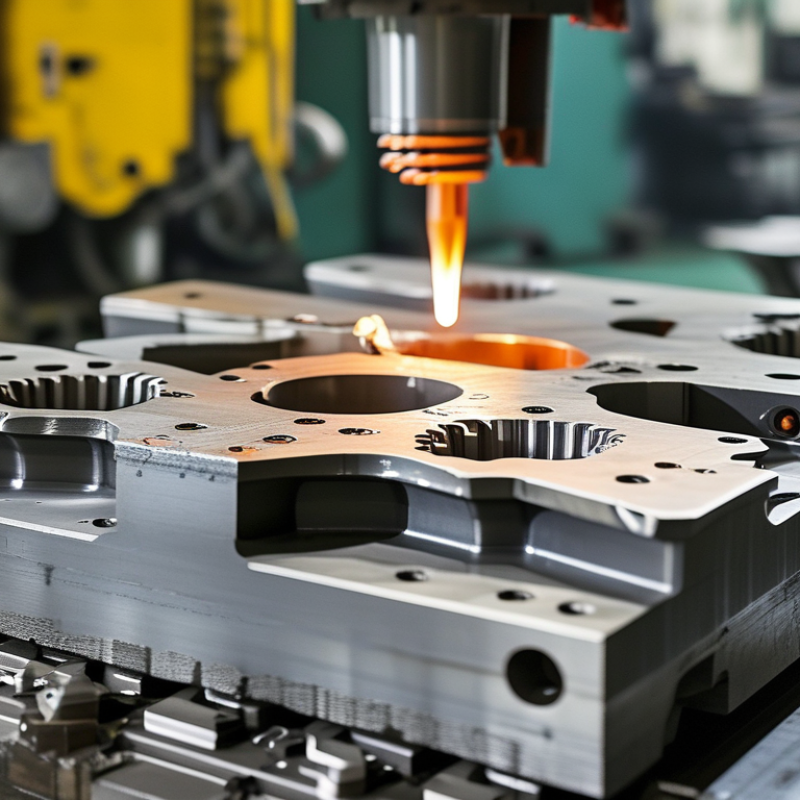
Die cast tooling plays a crucial role in modern manufacturing. It involves using molten metal to create precise and intricate shapes. This technique is favored for its efficiency and repeatability. With die casting, manufacturers can produce large quantities of consistent parts quickly. The precision of die cast tooling reduces the need for extensive post-processing, saving time and cost.
Understanding the intricacies of die cast tooling can set businesses apart. The tooling process starts with designing molds that can withstand high temperatures and pressure. Skilled engineers ensure the molds are crafted to exact specifications. However, tool maintenance is often overlooked. Regular checks and updates are essential to maintain quality. Sometimes, a small flaw in tooling can lead to significant production issues.
Investing in die cast tooling can enhance product quality and customer satisfaction. This process allows for the creation of complex geometries that traditional methods struggle to achieve. Yet, it’s vital to evaluate your production needs carefully. Overcommitting to die casting without proper planning can lead to wasted resources. Experimentation with different alloys also poses challenges. Balancing cost and quality requires expertise and careful consideration.
Die cast tooling is a manufacturing method that creates precise metal parts. This process offers significant benefits across various industries, including automotive, aerospace, and electronics. According to a report by Mordor Intelligence, the global die casting market is projected to grow at a CAGR of 5.2% over the next few years. Companies are increasingly recognizing the efficiency and durability that die cast components can provide.
One key advantage of die cast tooling is cost efficiency. The initial investment may be higher, but the long-term savings are notable. Die casting allows for complex shapes, which often means fewer parts assembled together. This reduces materials, labor, and assembly costs. Furthermore, parts produced through die casting are typically lighter yet stronger, which is crucial in industries like aerospace.
Another significant benefit is the high production rate. Die casting can produce thousands of parts rapidly. For example, it’s possible to create a hundred parts every hour with automated processes. This efficiency boosts productivity and shortens delivery times. However, it’s essential to ensure that the quality of the tooling is up to standard, as poor tooling can lead to defects and increased waste.
Regular maintenance of die casting tools is essential. Inspecting the mold for wear can save money later. Moreover, training staff on the tooling process can significantly improve outcomes. A knowledgeable team will identify issues quickly, preventing long downtimes. Investing in the right training and maintenance will ensure that businesses reap the full benefits of die cast tooling.
Die casting is a precision manufacturing process used to create metal parts. The process involves molten metal being injected into a mold under high pressure. This technique allows for complex shapes and tight tolerances. Understanding the die casting process is essential for businesses looking to streamline production.
Each step in die casting plays a significant role. First, the mold is designed, usually from steel or iron. It must be engineered carefully to ensure proper cooling and release. Next, molten metal is poured into the mold. As it cools, it takes the shape of the mold, forming the desired part. The cycle time can vary, impacting production speed. This method can produce parts rapidly, which is beneficial for high-volume orders.
When considering die casting, design is key. Simple geometries often yield better results. More complex designs may lead to challenges in production. Adjusting the design before tooling can save time and reduce costs. Remember, each mold has a lifespan, often measured in thousands of cycles. Planning for maintenance or replacement is crucial for ongoing production. Addressing potential design flaws early on can prevent costly rework later.
Die cast tooling offers unique advantages compared to traditional manufacturing methods. It provides precision and faster production for complex shapes. Unlike machining, which removes material, die casting shapes molten metal into desired forms. This method minimizes waste and can produce parts with thin walls.
In contrast, injection molding is often used for plastics. While it is efficient for non-metal components, it lacks the strength of die casted metals. Additionally, 3D printing has gained popularity for small runs. However, it can struggle with large volumes and material consistency. Die casting excels in mass production, making it favorable for high-demand industries.
Challenges exist in die cast tooling. Tooling costs can be high initially. Furthermore, design adjustments require time and resources, limiting flexibility. It's essential to weigh these considerations against potential benefits. Understanding these nuances helps businesses make informed decisions about their manufacturing processes.
When selecting die cast tooling for your business, several key factors should be considered. It's essential to assess the complexity of your designs. More intricate shapes often require advanced tooling, which can increase costs. Understand that not every project needs high-end solutions. Sometimes, simpler designs yield better results and save money.
Material choice plays a critical role in the die casting process. Different materials can affect the durability and finish of the final product. Aluminum, for example, offers great strength and lightweight characteristics, while zinc can provide a superior surface finish. The decision should align with your product requirements and market needs.
Evaluate your production volume too. High-volume production can justify the investment in high-quality tooling. However, for smaller runs, the costs might not balance out. Reflecting on these aspects can help shape a more strategic approach. An informed choice could lead to significant long-term benefits for your operation.
| Factor | Description | Benefits |
|---|---|---|
| Material Selection | Choosing the right materials for die casting affects durability and cost. | Improved strength and longevity of products, potential cost savings. |
| Die Design | The design of the die impacts the quality and precision of the final product. | Enhanced precision and reduced waste in production. |
| Production Volume | Determine the required production volume to justify tooling costs. | Optimized investment in tooling relative to demand. |
| Lead Time | Consideration of time required for die tooling and production. | Faster time-to-market for products. |
| Cost | Overall costs associated with die casting tooling and production. | Balanced budget and potential for high returns. |
: Die cast tooling involves using molten metal to create precise shapes in manufacturing.
It is efficient and allows for quick production of consistent parts.
Molds are designed to withstand high temperatures and pressures for accurate production.
Regular maintenance is crucial. Neglecting this can lead to significant production issues.
Complexity of design, material choice, and production volume are key factors to evaluate.
Yes, sometimes simpler designs yield better results and save on costs.
Different materials affect the durability and finish of the final product significantly.
Balancing cost and quality can be difficult when experimenting with different alloys.
Not always. For small production runs, high-quality tooling costs may not be justified.
Careful planning can prevent resource wastage and improve overall production efficiency.
Die Cast Tooling is a pivotal element in modern manufacturing processes, involving the creation of metal components through a high-pressure injection method. This technique offers several advantages, including superior precision, consistent quality, and the ability to produce complex shapes that are difficult to achieve with other methods. By understanding the fundamentals of die cast tooling, businesses can leverage its benefits across various industries, resulting in enhanced productivity and reduced production costs.
The die casting process involves several crucial steps, from mold design to the actual injection of molten metal. Companies must also evaluate factors such as material compatibility, production volume, and design complexity when choosing die cast tooling. A comparative analysis with other manufacturing methods highlights die cast tooling's efficiencies, making it a valuable consideration for businesses looking to optimize their manufacturing strategies. Overall, embracing die cast tooling can lead to significant improvements in product quality and operational efficiency.

Haochu Machinery