Top Die Casting Mold Parts Suppliers Worldwide?

Time:2026-10-21 Author:Charlotte
0%

Choosing the Top Die Casting Mold Parts Suppliers Worldwide requires more than comparing prices or browsing polished websites. Reliable sourcing begins with the mold’s working conditions. Consider alloy type, injection pressure, cycle frequency, cooling-channel design, and expected service life. A cavity insert that looks perfect may fail after repeated thermal shock.

Industry authority Dr. John H. Lau describes die casting as “a high-pressure casting process for producing metal parts with high dimensional accuracy.” This principle also guides the selection of Die Casting Mold Parts. Suppliers should demonstrate control over tool steel grades, heat treatment, machining tolerance, surface finishing, and inspection records. Their experience with ejector pins, cores, sleeves, slides, and cooling components matters just as much as their equipment list.

Look closely at practical evidence. Ask for material certificates, hardness reports, sample measurements, and replacement-part data. A dependable supplier can explain how it prevents galling, premature wear, flash, and cooling imbalance. It should also communicate clearly when a design is unrealistic. That honesty is valuable.

Not every global supplier performs equally well. Some offer impressive catalogs but limited engineering support. Others provide excellent machining yet struggle with urgent revisions. I have also seen specifications that were technically correct but poorly communicated, causing avoidable delays. Therefore, this guide compares supplier capability, quality systems, delivery consistency, customization, and after-sales support. The ranking may not fit every project. Mold complexity, production volume, regional logistics, and budget can change the decision. A careful buyer should verify current evidence before placing an order.
Top Die Casting Mold Parts Suppliers Worldwide?

What Are Die Casting Mold Parts and Why Do They Matter?

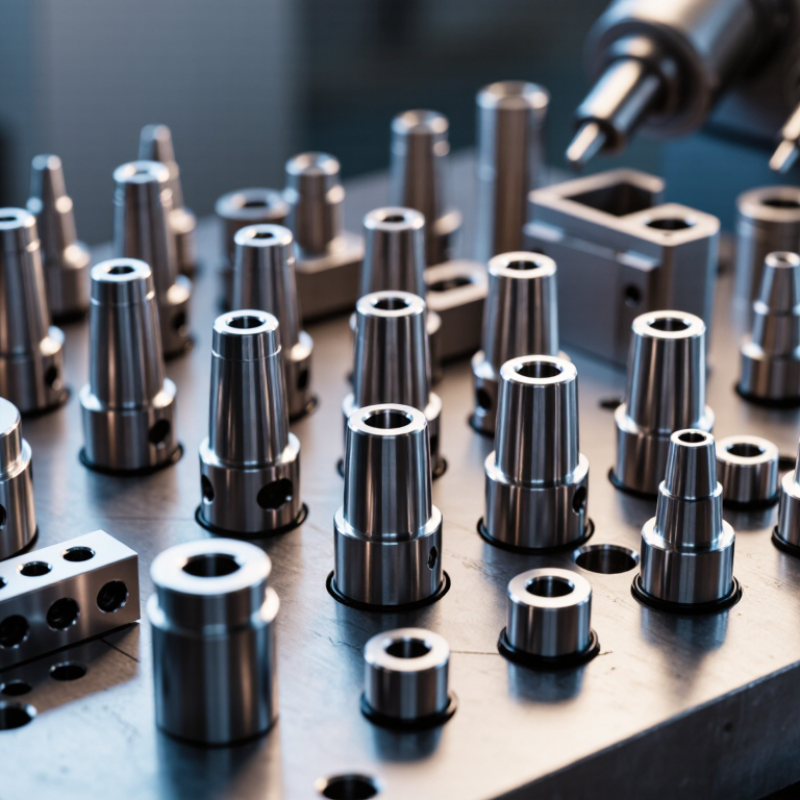
Die casting mold parts are the working components inside a die casting tool. They include cores, cavities, ejector pins, slides, guide pillars, inserts, and cooling channels. Each part controls metal flow, pressure, cooling, or product release. A small alignment error can create flash, short shots, or uneven wall thickness.

Their importance is increasing with demand for lightweight automotive and industrial components. A 2023 MarketsandMarkets report valued the global die casting market at about USD 80.5 billion. It forecasts approximately USD 110.7 billion by 2028. These figures are estimates, not guarantees, but they show why reliable mold parts matter. Better inserts and cooling systems can reduce cycle time, waste, and unplanned maintenance. In practice, toolmakers often discover that the cheapest component becomes expensive after repeated polishing or early failure. This is where supplier experience becomes visible.

Tips: Ask suppliers for steel certificates, heat-treatment records, dimensional inspection data, and replacement lead times. Check cooling-channel design, surface hardness, and compatibility with your alloy. Do not judge quality from catalog photos alone. A useful trial compares cycle stability after several thousand shots. Reports often emphasize market growth, yet they rarely capture installation mistakes. That gap deserves honest review before purchasing.

Top Die Casting Mold Parts Suppliers Worldwide? What Are Die Casting Mold Parts and Why Do They Matter?

Die casting mold parts include cavity and core inserts, slides, ejector pins, guide pillars, and cooling components. Their dimensional accuracy, hardness, wear resistance, and thermal performance directly affect casting quality, cycle time, mold life, and maintenance costs. The chart presents typical hardness ranges used for common die-casting mold components; actual specifications vary according to alloy, die design, heat treatment, and operating conditions.

Key Criteria for Evaluating Global Mold Parts Suppliers

A reliable die casting mold parts supplier should be judged beyond price and catalog size. ISO Survey 2023 recorded more than 1.26 million ISO 9001 certificates worldwide. Certification helps, but it does not prove stable mold performance. Ask for inspection records, material certificates, and traceability from steel bar to finished insert. Check whether the supplier measures hardness, dimensional accuracy, and surface finish on every critical batch.

Technical capability matters on the shop floor. Request samples of ejector pins, slides, cores, and cooling components. Examine sharp edges, polished cavities, and thread quality under magnification. NADCA’s Product Specification Standards emphasize controlled dimensions, draft, and surface requirements for die castings. A supplier should explain its machining tolerances in practical terms, not only display attractive equipment. Short lead times sound impressive. They can also signal overloaded production.

Supply resilience deserves equal attention. The World Bank’s Logistics Performance Index 2023 evaluates customs, infrastructure, shipment reliability, and tracking. Ask suppliers to share realistic delivery data, backup machining capacity, and packaging methods for corrosion-sensitive parts. Material sourcing should also be transparent. The International Aluminium Institute reports that recycled aluminium requires roughly 5% of the energy used for primary aluminium, making verified recycled content relevant to responsible procurement. Still, recycled material alone does not guarantee suitable tool life. I would test it. A perfect audit can miss a recurring burr, a late drawing revision, or weak communication across time zones. Fancy dashboards are not enough.

Leading Die Casting Mold Parts Supplier Regions Worldwide

Top Die Casting Mold Parts Suppliers Worldwide?

Leading Die Casting Mold Parts Supplier Regions Worldwide

East Asia remains the deepest sourcing region for die casting mold parts. China offers broad machining capacity, while Japan and South Korea are known for precision tooling and process discipline. Grand View Research estimates the global die casting market reached about USD 78 billion in 2023. Its forecast also indicates continued growth through 2030, supported by automotive, electronics, and industrial equipment demand. This growth directly increases demand for ejector pins, guide pillars, cores, slides, and cooling components.

Europe remains important for complex, high-tolerance mold components. Germany, Italy, and Central European manufacturing clusters often emphasize traceability, heat treatment, and dimensional inspection. The European die casting sector also benefits from lightweight vehicle production and stricter material-efficiency goals. According to Fortune Business Insights, the global die casting market could grow from roughly USD 87 billion in 2023 to more than USD 143 billion by 2030. Regional figures vary between reports, however. Definitions are not always consistent.

North America provides strong engineering support and shorter supply routes for local mold builders. The United States and Mexico serve automotive, appliance, and industrial customers with increasingly integrated tooling services. Reliable suppliers should provide steel certificates, hardness records, inspection reports, and replacement-part control. A low unit price can hide poor coating quality or unstable tolerances. That matters. Buyers should compare tool life, delivery consistency, and technical communication, not only quotations. Supplier rankings remain imperfect because many reports measure die casting production rather than mold-part specialization.

How to Compare Supplier Quality, Pricing, and Delivery

Top Die Casting Mold Parts Suppliers Worldwide?

Comparing die casting mold parts suppliers requires more than reading a price list. Check steel certificates, heat-treatment records, and dimensional inspection reports. Ask how cavities, vents, cooling channels, and ejector systems are inspected. A capable supplier should provide trial-shot data and explain correction limits clearly. Test the evidence.

During a factory review, examine machining records and actual finished inserts. Look for clean parting surfaces, consistent polishing, and protected threads. A coordinate measuring machine report is useful, but it cannot replace a physical fit check. Request sample parts from similar alloys and wall thicknesses. In practice, small details often reveal process discipline. I have seen attractive samples hide weak documentation.

Pricing should include tooling steel, machining, surface treatment, spare inserts, packaging, shipping, and future modifications. A low quote may become expensive after repeated corrections. Compare total ownership cost, not only the purchase order.

Delivery needs the same discipline. Request a milestone schedule covering design approval, steel arrival, rough machining, finishing, trial shots, and final inspection.

Confirm production capacity and backup plans for delayed materials. Promises are cheap. Keep records. A realistic supplier admits uncertainty and updates the schedule before a missed date. Supplier references can help, but recent inspection evidence matters more than polished presentations.

Best Practices for Selecting a Reliable Mold Parts Supplier

Choosing a reliable die casting mold parts supplier requires more than comparing prices. Study its experience with ejector pins, slides, inserts, cooling components, and other wear-sensitive parts. Ask for drawings, material certificates, heat-treatment records, and inspection reports. A capable supplier should explain tolerances clearly, not hide behind general claims.

Request a small trial order before approving regular production. Check surface finish, hardness, dimensions, and packaging when the parts arrive. For critical inserts, coordinate measurements with a calibrated CMM or suitable inspection tools. Traceable batch numbers also make future quality investigations faster. Clear communication matters. Can the supplier report a delay early and propose a practical correction?

Production records reveal more than polished brochures. Visit the facility remotely or in person, and observe machining control, storage conditions, and final inspection routines. Reliable suppliers usually discuss failure risks, including galling, premature wear, poor venting, or cooling blockage. Their engineers should review your mold conditions rather than simply accept every drawing.

Still, no supplier performs perfectly. A fast first order may conceal weak after-sales support. I have learned that response quality during a minor problem often predicts future cooperation. Ask how they handle nonconforming parts, replacement timing, and root-cause analysis. Keep these answers in writing. Price is only one factor. Consistent dimensions, honest feedback, stable lead times, and documented corrective action protect both mold performance and production schedules.

FAQS

What are die casting mold parts?

They are working components inside a die casting tool. They include cores, cavities, ejector pins, slides, guide pillars, inserts, and cooling channels. Each part controls metal flow, pressure, cooling, or product release.

Why do small alignment errors matter?

A small alignment error can create flash, short shots, or uneven wall thickness. For example, a poorly fitted insert may leave excess metal along the parting surface. Tiny errors become costly.

Which documents should I request from a supplier?

Request steel certificates, heat-treatment records, and dimensional inspection reports. Ask for replacement lead times and trial-shot data. These records reveal process control more clearly than catalog photographs.

How can I inspect finished mold parts?

Examine actual inserts, machining records, parting surfaces, polishing, and protected threads. A coordinate measuring machine report is valuable. However, perform a physical fit check too. One report cannot prove everything.

How should I compare supplier pricing?

Compare total ownership cost, not only the purchase price. Include steel, machining, surface treatment, spare inserts, packaging, shipping, and future modifications. A low quote may become expensive after repeated corrections.

What delivery milestones should a supplier provide?

Request a schedule covering design approval, steel arrival, rough machining, finishing, trial shots, and final inspection. Confirm production capacity and backup plans for delayed materials. Keep written records.

Why are cooling channels important?

Cooling channels influence cycle time, product consistency, and maintenance needs. Review their layout and compatibility with the selected alloy. Uneven cooling may produce distortion or inconsistent wall thickness.

How can trial shots help evaluate quality?

Compare cycle stability after several thousand shots. Inspect dimensions, surface quality, flash, and release performance. A short trial may look perfect, but longer production can reveal weakness. That deserves honest review.

Are supplier references enough for making a decision?

No. References can help, but recent inspection evidence matters more. Review samples from similar alloys and wall thicknesses. A capable supplier explains correction limits clearly and admits uncertainty when necessary.

Conclusion

Die Casting Mold Parts are essential components used to shape, guide, cool, and release metal products during the die casting process. Their accuracy, durability, and compatibility directly affect product quality, production efficiency, mold service life, and maintenance costs. This article explains what these parts do and why choosing dependable suppliers is important for manufacturers seeking stable and precise results.

It also examines key criteria for evaluating global suppliers, including material quality, machining precision, customization capability, technical support, pricing transparency, production capacity, and delivery performance. Different supplier regions may offer advantages in manufacturing expertise, cost control, or logistics. By comparing quality, total cost, lead times, and communication, buyers can make more informed decisions. Careful specification reviews, sample inspections, quality documentation, and long-term supplier evaluations are recommended practices for selecting a reliable partner.


Charlotte

Charlotte

Charlotte is a seasoned marketing professional with a deep understanding of the company's portfolio and a passion for elevating its presence in the market. With a keen eye for detail and a commitment to excellence, she ensures that our professional blog is regularly updated with insightful articles......