How to Source Quality Machining Parts for Your Business?

Time:2026-07-23 Author:Oliver
0%

Sourcing quality machining parts is crucial for any successful manufacturing business. According to a report by Market Research Future, the global machining parts market is expected to reach $150 billion by 2025. This indicates a growing demand for precision-engineered components, which highlights the need for businesses to adopt efficient sourcing strategies. When quality is compromised, the entire production process can suffer, leading to increased costs and delays.

Industry expert Dr. Alan Rowe emphasizes the importance of reliable suppliers. He states, "Quality machining parts are the backbone of effective manufacturing." This reflects a common consensus among professionals in the field. Many companies struggle to find trustworthy suppliers, leading to potential pitfalls in their production lines. A recent survey showed that 30% of manufacturers faced challenges in sourcing high-quality parts.

While there are numerous suppliers available, not all offer the same level of excellence. Businesses must carefully evaluate their options to avoid subpar components. Investing time in research can lead companies to reputable sources that meet their quality standards. The stakes are high, and the consequences of poor sourcing decisions can linger for years. Therefore, understanding the intricacies of the machining parts supply chain is essential for any manufacturer aiming for success.
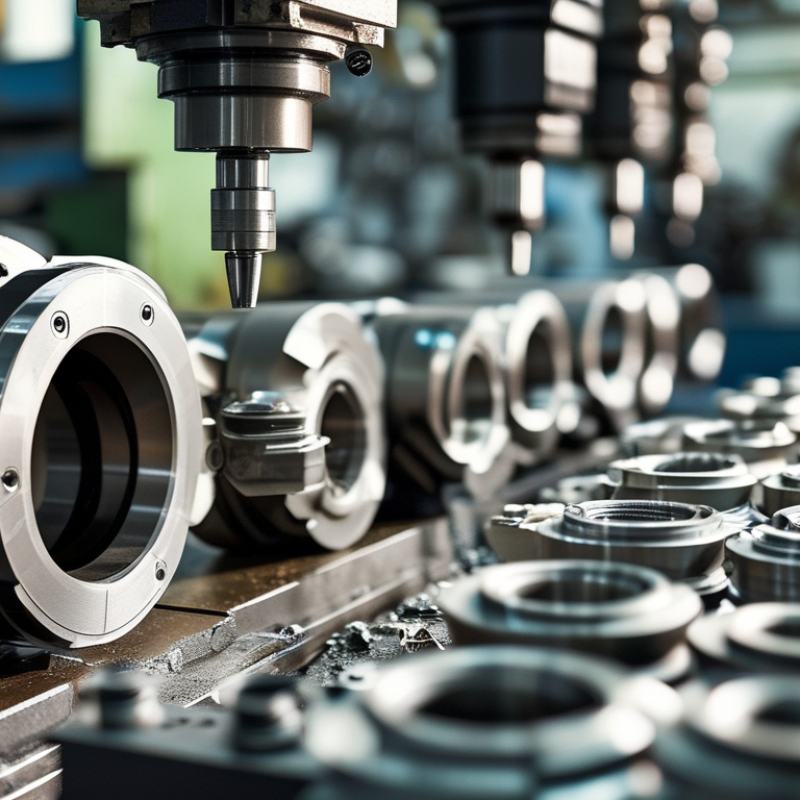
How to Source Quality Machining Parts for Your Business?

Identifying Your Business Needs for Machining Parts

Identifying your business needs for machining parts requires a clear understanding of your production goals. To start, assess the specific components essential for your projects. Are you looking for precision in aerospace parts or bulk production in automotive manufacturing? Knowing your requirements helps in selecting the right materials and tolerances. According to a report by the National Association of Manufacturers, 69% of manufacturers prioritize quality over cost when sourcing parts.

Understanding the scale of production also plays a crucial role. A startup may need low volumes with high customization, while a larger operation might focus on high-volume runs. The 2022 Manufacturing Industry Report indicated that 55% of businesses plan to increase their investments in CNC machining to enhance productivity. This suggests that evaluating your current processes and future needs can guide better sourcing decisions.

Furthermore, consider the potential for supplier reliability. Data shows that 30% of manufacturing downtime is due to supply chain disruptions. Thus, it's vital to develop partnerships with suppliers who demonstrate consistent quality and timely delivery. Reflecting on past sourcing challenges can be an opportunity to improve selection criteria and enhance overall business resilience.

Researching Potential Suppliers and Manufacturers

Finding the right suppliers and manufacturers for machining parts can be a challenging task. It is essential to conduct thorough research to identify potential partners that can meet your quality standards. Start by checking online directories and industry forums. Look for reviews and feedback from past clients. This can give you insights into the reliability of a supplier.

Don't hesitate to reach out directly to shortlisted suppliers. Asking for samples can provide a clearer picture of their machining capabilities. Pay attention to their communication style. Efficient communication often reflects professionalism. Compare prices, but don't make it the only criterion. Understanding their quality assurance processes can reveal much about their commitment to quality.

Remember, not every supplier will be a perfect fit. Some may not respond promptly, while others might fall short of your quality expectations. Keep a record of your interactions. This will help you in future assessments. Being reflective about your choices can lead to better decisions down the line. Quality machining parts are crucial for your business's success, so invest time in this process.

Evaluating Supplier Quality and Capabilities

When selecting a supplier for machining parts, assessing quality and capabilities is essential. A recent industry report noted that 70% of businesses experienced issues due to substandard parts from suppliers. This highlights the importance of evaluating potential partners.

Start by reviewing certifications. ISO 9001 is a standard that indicates quality management systems. Suppliers with this certification often maintain consistent quality. Additionally, consider their production capabilities. A plant’s machinery and technology should meet the specific requirements for your parts. Advanced equipment can reduce defects and improve precision.

Visit the supplier’s facility if possible. Observing their operations can provide insight into their processes. Pay attention to cleanliness and organization. These factors often correlate with quality. Consider asking for samples of their work. Evaluate these parts against your specifications. Testing parts in real-world conditions can reveal potential weaknesses. Transparency in communication is also key. Suppliers should readily discuss challenges and solutions.

How to Source Quality Machining Parts for Your Business? - Evaluating Supplier Quality and Capabilities

Supplier Name Quality Certifications Capabilities Lead Time Minimum Order Quantity Price Range ($)
Supplier A ISO 9001, AS9100 CNC Machining, Injection Molding 2-3 weeks 50 units 5 - 10
Supplier B ISO 9001, IATF 16949 CNC Turning, Laser Cutting 3-4 weeks 100 units 8 - 15
Supplier C ISO 13485 CNC Machining, Sheet Metal 1-2 weeks 20 units 10 - 20
Supplier D ISO 9001, AS9100 CNC Machining, Casting 2-5 weeks 30 units 12 - 25
Supplier E ISO 9001, API CNC Milling, Fabrication 1-3 weeks 10 units 15 - 30

Establishing Cost and Pricing Considerations

Pricing is a decisive factor when sourcing quality machining parts. Understanding your budget can help you set realistic goals. Different materials and processes impact prices significantly. For example, CNC machining often carries higher costs than traditional methods. It’s essential to evaluate the complexity of parts. Intricate designs may require additional machining time, raising production costs.

When considering suppliers, ask for quotes. These should detail what the costs cover, including tooling and finishing. A lower price may indicate a compromise in quality. Establishing clear communication with suppliers is vital. They can provide insights into potential cost-saving measures without sacrificing quality. However, be wary of unexpected fees that can arise later.

Monitoring market trends is equally important. Prices fluctuate due to material costs and demand. Regularly reviewing your suppliers keeps you informed. You may find opportunities to renegotiate terms or explore new partners. Balancing cost and quality can be challenging, but it’s essential for long-term success.

Setting Up Quality Control Measures for Delivered Parts

Quality control measures are essential for sourcing machining parts for your business. They ensure that the components meet your specifications and performance standards. Begin by establishing clear criteria for what constitutes quality. Define the tolerances, material specifications, and finish requirements for each part. This precision helps you communicate effectively with suppliers and reduces the chances of errors.

Tips: Make a checklist of quality standards to verify each order. Include parameters like visual inspections and tolerance checks. Ensure that the suppliers are aware of these expectations.

Regular audits of your suppliers can effectively monitor their quality control processes. These audits may reveal inconsistencies or inadequacies in their production methods. It’s essential to provide constructive feedback and ask for improvements. Recognizing small failures can lead to significant enhancements over time.

Tips: Keep detailed records of each part's performance. This data can help identify patterns and address recurring issues. A collaborative approach with your suppliers fosters a proactive quality culture.

Quality Control Metrics for Machining Parts Sourcing

FAQS

: How can I find reliable suppliers for machining parts?

: Check online directories and industry forums for potential partners. Look for reviews and feedback.

Is it important to ask suppliers for samples?

Yes, samples help assess machining capabilities and quality. Pay attention to their communication style.

What should I consider when evaluating a supplier's quality?

Review certifications like ISO 9001. Check their production capabilities and machinery for specific requirements.

How can I monitor a supplier's quality control?

Conduct regular audits to spot inconsistencies. Provide feedback for improvements over time.

What criteria should I establish for quality parts?

Define tolerances, material specifications, and finish requirements. Maintain a checklist for verification.

What if a supplier doesn't meet my quality expectations?

Document interactions. Reflect on your choices to make better decisions in the future.

How can advanced equipment impact quality?

Advanced machinery generally reduces defects and increases precision. It’s crucial to ensure suppliers meet these standards.

Why is transparency in communication important with suppliers?

Suppliers should openly discuss challenges. It reflects their professionalism and commitment to quality.

What should I do if I notice recurring issues with parts?

Keep detailed records of performance. Identify patterns and collaborate with suppliers for proactive solutions.

What are the potential consequences of substandard parts?

Substandard parts can lead to significant operational issues. Investing time in research helps avoid these problems.

Conclusion

Sourcing quality machining parts for your business involves several critical steps to ensure that your needs are met effectively. First, it is essential to identify your specific requirements for machining parts, including material specifications, tolerances, and volume. Once you have a clear understanding of your needs, researching potential suppliers and manufacturers is crucial. This includes evaluating their reputation, capabilities, and experience in providing high-quality machining parts.

After identifying suitable suppliers, assessing their quality and capabilities is the next step. This involves reviewing their manufacturing processes, certifications, and previous work. Additionally, establishing cost and pricing considerations is necessary to ensure that you remain within budget without compromising quality. Finally, setting up robust quality control measures for the delivered parts helps maintain high standards and ensures that the machining parts you receive meet your business requirements. By following these steps, businesses can secure reliable and high-quality machining parts that contribute to their overall success.


Oliver

Oliver

Oliver is a seasoned marketing professional with a wealth of expertise in driving brand awareness and engagement. With a deep understanding of our company's product offerings, he consistently delivers high-quality content that enriches our professional blog. His insights not only shed light on......