The global manufacturing landscape is rapidly evolving, driven by innovations in technology and automation. One of the key components of this transformation is the development and use of CNC machine mechanical parts. According to a recent market research report, the CNC machine market is projected to grow at a compound annual growth rate (CAGR) of 6.6% from 2021 to 2028. This emphasizes the increasing importance of high-quality mechanical components in production processes.
CNC machine mechanical parts serve as the backbone of modern machining. They include spindles, linear guides, ball screws, and fixtures, all of which contribute to the precision and efficiency of machining operations. With the rising demand for precision manufacturing, the need for reliable mechanical parts cannot be overstated. However, sourcing high-quality parts remains a challenge for many buyers. Factors like material quality and compatibility with existing systems often lead to concerns over performance and longevity.
While numerous suppliers offer CNC machine mechanical parts, not all meet the rigorous standards required in this competitive field. It is vital for buyers to conduct thorough research. They should evaluate supplier reputation and part specifications to ensure fit and function. This evaluation process, while sometimes tedious, ultimately leads to better operational efficiency and reduced downtime. Buyers should embrace this learning curve as part of the journey toward achieving superior machining outcomes.
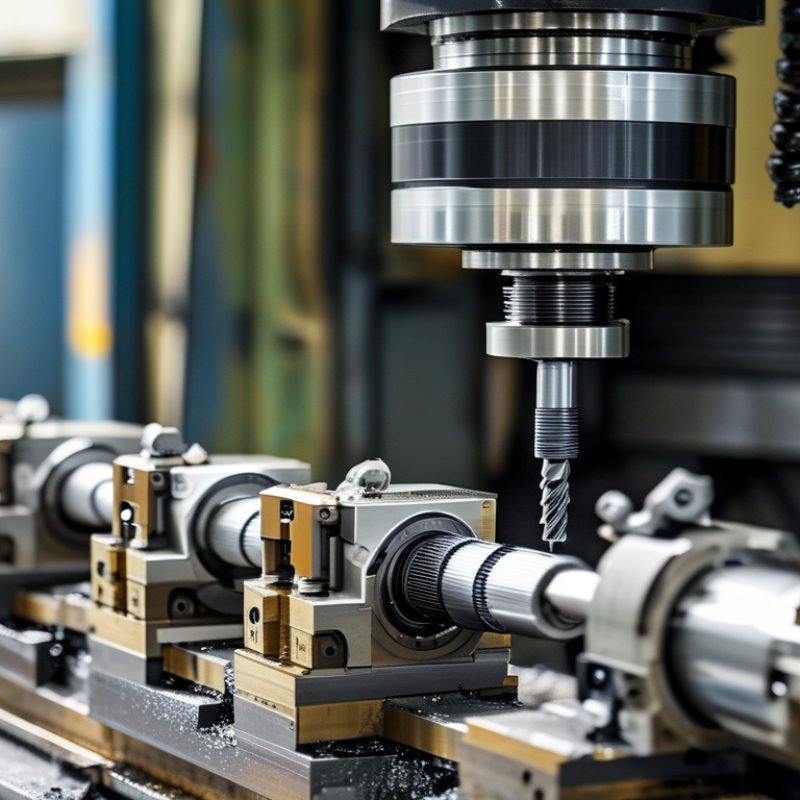
CNC machines rely on essential mechanical components to function effectively. These parts include ball screws, linear guides, and spindle motors. Each component plays a critical role in the performance and accuracy of the machine. Ball screws transfer motion efficiently, converting rotary motion into precise linear movement. Meanwhile, linear guides ensure smooth movement along axes, reducing friction and wear. Spindle motors provide the power necessary for cutting tools, impacting speed and torque.
Choosing the right mechanical parts can be challenging. Many buyers focus on price, sometimes overlooking quality. Not all parts are created equal, and cheaper options may lead to reliability issues. For instance, subpar ball screws can result in backlash, affecting precision. Understanding specifications and compatibility is crucial. It’s vital to balance cost with adequate quality. Some buyers may find this process daunting, but research is essential for informed decisions.
Buyers should also consider their machine's specific requirements. Different applications demand unique solutions, impacting part selection. For example, a machine used for heavy-duty work needs robust components. Alternatively, precision tasks may require high-tolerance parts. This means understanding one’s operational needs is key, but it also invites room for improvement in knowledge. Exploring all available options can help meet those needs effectively.
: Essential components include ball screws, linear guides, and spindle motors. Each plays a critical role in performance.
Ball screws convert rotary motion into precise linear movement, improving motion efficiency.
Cheaper parts may lead to reliability issues. For instance, subpar ball screws can cause backlash and affect precision.
Buyers must understand their machine’s specific requirements and balance cost with adequate quality.
Precision is critical. Well-made spindles enhance accuracy in machining tasks, impacting overall performance.
Mismatched components can reduce efficiency. Ensure dimensions and functionality match your CNC machine's design.
Fluctuating material prices directly affect costs. For example, high-grade steel prices have risen, affecting multiple components.
Total cost of ownership is vital. Cheaper initial prices often lead to higher long-term expenses for poor-quality parts.
Researching specifications and exploring all options is essential for informed decisions, though it can be daunting.
Yes, electronic parts like servo motors have seen significant price hikes, impacting budgeting for manufacturers.
The article "Top CNC Machine Mechanical Parts for Global Buyers" provides a comprehensive overview of essential components critical for the optimal functionality of CNC machines. It highlights key specifications that buyers should consider to ensure maximum performance, such as precision, durability, and compatibility with various CNC systems.
Furthermore, the article delves into market trends, offering insights for global buyers on the latest developments in CNC machine mechanical parts, and presents a cost analysis for 2023, helping buyers make informed decisions. Lastly, the discussion on supplier selection criteria emphasizes the importance of quality and reliability when sourcing CNC machine mechanical parts worldwide, ensuring that buyers can find the best products for their needs.

 Haochu Machinery