Zinc casting has become increasingly popular in various industries, including automotive and electronics. According to a recent report by ResearchAndMarkets, the global zinc die casting market is set to grow significantly, with projections indicating a CAGR of 7.4% from 2021 to 2026. This growth can be attributed to zinc’s favorable properties, such as corrosion resistance, high strength, and excellent ductility.
Despite its advantages, zinc casting processes can require careful planning and execution. Aiming for precision in die design can often present challenges. Misalignments and inappropriate temperature controls can lead to defects, highlighting the importance of expert knowledge in the field. Recent studies indicate that over 20% of zinc castings fail quality inspections due to inadequate technique.
In your next zinc casting project, choosing the right technique is crucial. Each method, from sand casting to die casting, offers distinct benefits and potential pitfalls. Understanding these nuances can refine your approach and enhance the final product. As you navigate these options, it's essential to weigh the pros and cons to ensure optimal results. Each technique provides an opportunity for innovation and improvement, paving the way for advancements in your overall project objectives.
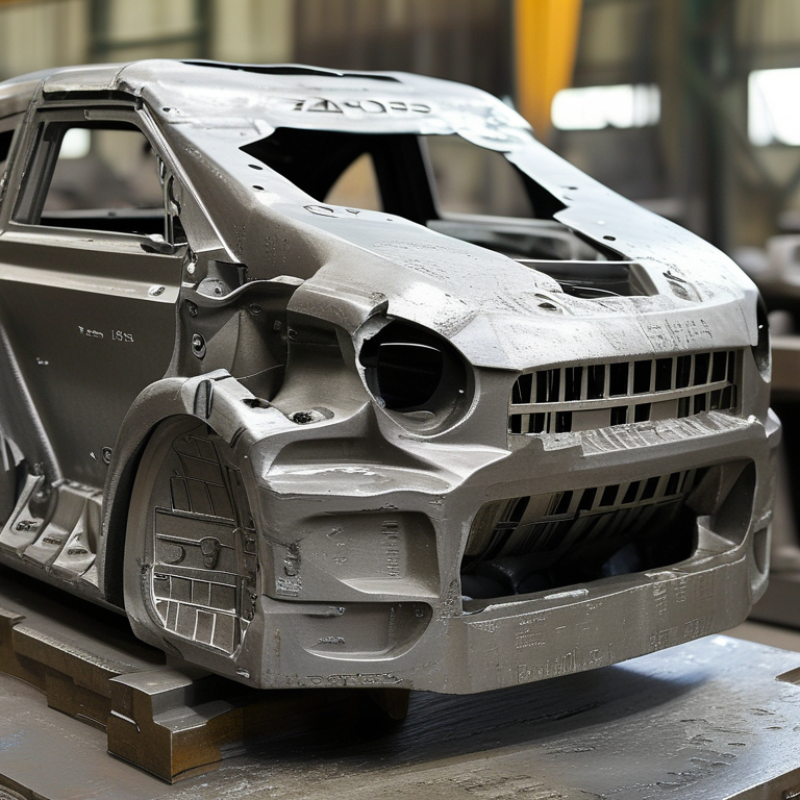
Zinc casting techniques offer diverse options for various projects. They are known for their versatility and cost-effectiveness. Many industries utilize these methods, from automotive to decorative items. The efficiency of zinc casting can lead to quicker production cycles, which is appealing for manufacturers. However, not every technique suits every project. Understanding the nuances is crucial.
Die casting is one popular method, ideal for high-volume production. It provides high precision and excellent surface finish, which reduces the need for secondary processing. Sand casting, on the other hand, is more flexible and better for larger parts. This method allows for intricate designs but can be slower and less precise than die casting. Exploring these methods can reveal their strengths and weaknesses, helping you choose wisely.
It’s essential to consider the quality of the mold and the type of zinc alloy. These factors significantly influence the final product. Variations in temperature can also affect the casting results. Attention to detail during the process is vital, as mistakes can lead to defects. Reflecting on your choices can lead to better outcomes in future projects.
Zinc alloys play a crucial role in various casting techniques. These alloys typically include zinc, aluminum, and copper. Understanding their composition is vital for achieving high-quality results. Zinc's lower melting point makes it an excellent choice for casting processes. This attribute allows for greater efficiency, but it can also lead to potential challenges in precision.
Different zinc alloys have unique properties. For instance, some offer enhanced corrosion resistance, while others provide better mechanical strength. It's essential to choose the right alloy for each project. Misjudgments can result in structural weaknesses or surface imperfections. Moreover, recycling zinc alloys can introduce variations. Familiarity with these aspects helps in mitigating issues.
Precision casting requires a deep understanding of metal properties and mold designs. Improperly designed molds can lead to defects like air gaps or incomplete filling. Experimenting with various techniques can yield valuable insights. Embracing trial and error often leads to better craftsmanship. Keeping a detailed record of tests helps refine methods over time.
Die casting and sand casting are two prevalent techniques in zinc casting. Each method has its strengths and weaknesses, making them suitable for different applications. Die casting is known for its precision and the ability to produce complex shapes. It's ideal for high-volume production, as the process can be automated. However, it requires significant initial investment in mold creation.
In contrast, sand casting offers versatility and lower setup costs. This method allows for larger castings and is flexible with design changes. However, it tends to produce less precise parts, which may require additional finishing work. Sand casting can be time-consuming, taking longer for each individual piece.
It's essential to choose the right technique based on your project needs. Consider your production volume, complexity of design, and budget. Each method has its merits, and sometimes a combination may yield the best results. Experimenting with both techniques can lead to valuable insights that refine your casting process. Always analyze the specific requirements of your project before making a decision.
Investment casting with zinc is a popular method in various industries, especially for intricate designs. This technique allows for high precision and a smooth surface finish. In recent studies, up to 90% of manufacturers reported improved final product quality using this method. It offers a unique blend of versatility and cost-effectiveness.
The process begins with creating a wax pattern, which is coated in a ceramic shell. This step is crucial, as a well-made shell can significantly enhance the mold's durability. After the wax is melted away, molten zinc is poured into the mold. Data shows that zinc casting can achieve dimensional tolerances as tight as ±0.005 inches. This precision is essential for sectors such as automotive and aerospace.
However, challenges exist. Temperature control during melting and pouring can affect the final outcome. Variations in zinc alloy compositions can also lead to inconsistency. These issues highlight the importance of skilled labor and careful monitoring throughout the process. Each casting is a learning opportunity, emphasizing the need for ongoing education and training in this field.
Surface finishing of zinc castings is crucial for quality and durability. Reports indicate that polished and coated zinc castings show a sixfold increase in corrosion resistance compared to unprocessed surfaces. Traditionally, processes such as shot blasting and powder coating have been utilized, but every technique has its downsides. For example, shot blasting can leave surface abrasions that may affect later finishing steps.
Another study points out that finishing techniques like electroplating can enhance aesthetics but often raise production costs by up to 30%. Moreover, recent findings warn about the potential for uneven coatings, which can lead to premature corrosion. Implementing precise measuring tools and quality control mechanisms can mitigate these issues. But, achieving a balance between cost and quality remains a persistent challenge.
Finally, adopting eco-friendly finishes is becoming vital. Manufacturers are under pressure to comply with environmental regulations. However, the effectiveness of these green options in improving surface durability is still under review. Companies should stay informed and adaptable to trends in finishing techniques while addressing potential shortcomings.
: Zinc alloys typically include zinc, aluminum, and copper.
Zinc has a lower melting point, allowing for greater efficiency in casting processes.
Choosing incorrectly may lead to structural weaknesses or surface imperfections.
Recycling can introduce variations that impact the quality of the final product.
One must understand metal properties and mold designs thoroughly.
Shot blasting can leave abrasions that may affect further finishing steps.
Electroplating can raise production costs by up to 30%.
Balancing cost and quality remains a persistent challenge for manufacturers.
Manufacturers face pressure to comply with environmental regulations and trends.
Uneven coatings can cause premature corrosion, impacting long-term durability.
Zinc casting is a versatile manufacturing process that offers a variety of techniques tailored for different project requirements. This article provides an overview of several zinc casting methods, including traditional die casting and sand casting, highlighting their advantages and applications. A comparative analysis illustrates the differences between these techniques, helping readers choose the best option for their specific needs.
Additionally, the article delves into the basics of zinc alloys, discussing their properties and how they influence the casting process. A detailed step-by-step guide to investment casting with zinc is included, outlining critical procedures for achieving optimal results. Finally, best practices for surface finishing zinc castings are presented to ensure high-quality outcomes. By understanding these techniques and practices, manufacturers can effectively leverage zinc casting for their next project.

Haochu Machinery