Cast Aluminum Parts remain a practical choice for manufacturers balancing strength, weight, cost, and production speed. Their value becomes clear when a design includes ribs, housings, mounting points, or curved internal passages. Aluminum flows into detailed molds, then solidifies into consistent components with useful dimensional stability. This process can reduce machining time and material waste compared with producing the same shape from solid stock.
In real production environments, engineers assess more than alloy selection. They review wall thickness, draft angles, porosity risks, surface requirements, and expected service loads. A well-designed casting may support reliable performance in automotive, industrial equipment, electronics, and consumer products. It also offers natural corrosion resistance and efficient heat dissipation. These advantages matter beside a busy assembly line, where lighter parts can simplify handling and reduce equipment strain.
Still, casting is not automatically the best answer. Poor gating, uneven cooling, or unclear drawings can create defects and expensive revisions. That reality deserves attention. Some projects need tighter tolerances than casting can deliver without secondary machining. Others may require forged or machined parts for exceptional fatigue performance. Experienced suppliers therefore examine the full manufacturing route, not just the purchase price. They compare tooling investment, inspection methods, batch size, finishing needs, and long-term maintenance. Reliable decisions come from tested specifications, traceable quality checks, and honest communication between designers and foundries. Cast Aluminum Parts can deliver strong value, but only when the design, alloy, process, and application work together.
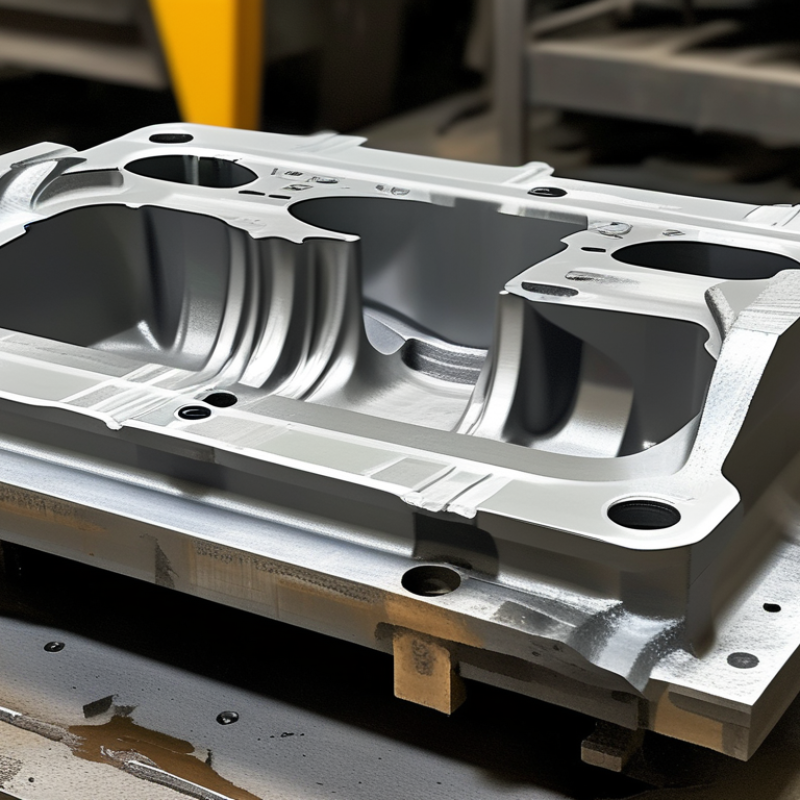
Cast aluminum parts are components formed by pouring molten aluminum alloy into a mold. After cooling, the solid part may be trimmed, machined, heat-treated, or surface-finished. Common methods include sand casting, permanent-mold casting, and die casting. Each method creates different results in accuracy, surface quality, and production cost.
Aluminum alloys offer low weight, corrosion resistance, and useful thermal conductivity. These qualities suit housings, brackets, pump bodies, heat sinks, and automotive components. The U.S. Geological Survey’s Mineral Commodity Summaries 2024 estimated global primary aluminum production at about 70 million metric tons in 2023. That scale supports broad alloy availability, but material selection still needs care. A stronger alloy may reduce ductility. A cheaper mold may create rougher surfaces. The choice is not automatic.
The International Aluminium Institute reports that recycling aluminum can save about 95% of the energy required for primary production. This gives cast parts a practical sustainability advantage when scrap is collected and reused properly. However, casting defects can hide inside a part. Porosity, shrinkage, and incomplete filling may appear only during inspection or machining.
Cast aluminum parts begin with a practical design review. Engineers check wall thickness, draft angles, cooling paths, and areas that may trap air. Aluminum alloy selection also matters. Different compositions affect strength, fluidity, corrosion resistance, and machining behavior.
The mold is then prepared from sand, permanent metal, or a precision pattern. Each method creates different surface finishes and dimensional results. Molten aluminum is heated in a controlled furnace and tested before pouring. The metal must flow smoothly, but excessive temperature can increase oxidation and shrinkage. That balance is easy to underestimate.
After pouring, the casting cools inside the mold. Rushing this stage may create internal stress or uneven shrinkage. Once solidified, workers remove the casting, cut off gates, and clean the surface. Heat treatment can improve mechanical performance when the alloy allows it. Machining follows for holes, threads, and tight interfaces. Inspection may include dimensional checks, visual examination, and non-destructive testing for hidden defects. Small pores can remain invisible from the outside. In my experience, process records and sample testing often reveal more than a single final inspection. Still, no casting process is perfect, and complex shapes may require design changes after early trials.
Cast aluminum earns its place in manufacturing through a useful balance of low weight, strength, and design flexibility.
Its density is about 2.70 g/cm³, roughly one-third that of steel, according to The Aluminum Association. This difference can reduce part weight and simplify handling. Cast aluminum also fills complex molds efficiently. Ribs, bosses, channels, and thin walls can often form in one component. Fewer assembled pieces may mean fewer failure points. That benefit is real, but not automatic.
Its natural oxide layer helps resist corrosion in ordinary environments. Aluminum also transfers heat quickly, making it suitable for housings, heat sinks, and power equipment. The International Aluminium Institute reports that recycled aluminum requires about 5% of the energy used for primary aluminum production. That figure supports material recovery, although alloy separation and contamination remain practical challenges. Designers should also remember that aluminum loses strength at elevated temperatures. A lightweight part can still deform if its geometry is poorly chosen.
Tips: Specify the alloy before finalizing the mold. Compare tensile strength, elongation, thermal conductivity, and fatigue data. Add generous fillets around sharp corners. Inspect porosity near thick sections. A casting may look perfect externally but contain internal voids. Use radiography or computed tomography when safety demands it. Prototype testing is still essential; published data cannot fully predict every mold, cooling rate, or service condition.
Why Choose Cast Aluminum Parts for Manufacturing?
Cast aluminum parts offer practical manufacturing advantages beyond simple weight reduction. The U.S. Department of Energy reports that a 10% vehicle weight decrease can improve fuel economy by approximately 6–8%. That same principle helps equipment designers reduce handling loads and structural demands. A cast housing can combine ribs, mounting points, and cooling fins in one component. This often reduces assembly steps and fasteners.
The process also supports complex shapes with relatively little machining. A production team can cast a near-net-shape enclosure, then machine only sealing faces and threaded holes. That saves material and shortens cycle time. Aluminum’s thermal conductivity also helps move heat away from motors, electronics, and hydraulic systems. The trade-off is real. Thin walls may distort, and porosity can weaken pressure-containing parts. Process control matters more than optimistic drawings.
The International Aluminium Institute states that recycling aluminum uses about 5% of the energy required for primary production. Scrap from runners and rejected castings can therefore retain significant manufacturing value when properly sorted. Corrosion resistance adds service-life benefits, especially where moisture is present. Still, alloy selection, mold design, and inspection must match the application. A cheaper casting can become expensive after leaks, rework, or premature failure. Experienced manufacturers verify these risks through dimensional checks, density testing, and documented process data.
| Manufacturing Dimension | Aluminum Casting Advantage | Typical Manufacturing Effect | Best-Suited Conditions |
|---|---|---|---|
| Part Weight | Low density, approximately 2.7 g/cm³, which is about one-third the density of steel. | Reduces component mass and can lower handling, transportation, and assembly loads. | Automotive, transportation, robotics, portable equipment, and weight-sensitive assemblies. |
| Complex Geometry | Casting can form ribs, bosses, curved surfaces, cavities, and integrated mounting features in one component. | May reduce the number of separate parts, joints, fasteners, and secondary assembly operations. | Designs that would require multiple machining or fabricated pieces when made from solid stock. |
| Production Rate | Permanent molds and die-casting tools can produce repeated shapes efficiently after tooling is established. | Supports consistent, high-volume production with shorter cycle times than many one-piece fabrication methods. | Medium- to high-volume programs with stable part designs and predictable demand. |
| Material Utilization | Near-net-shape casting generally uses less material than machining a complete part from a larger billet. | Can reduce machining time, metal removal, and raw-material waste, subject to gating and finishing requirements. | Parts with complex profiles, internal features, or significant material that would otherwise be machined away. |
| Thermal Performance | Aluminum has high thermal conductivity compared with many engineering metals. | Helps transfer heat from housings, heat sinks, motor components, and electronic enclosures. | Components that require heat dissipation, provided the alloy and casting design meet the thermal requirements. |
| Corrosion Resistance | Aluminum naturally forms a thin oxide layer that helps protect the underlying metal in many environments. | May reduce the need for heavy protective coatings in suitable service conditions. | Outdoor equipment, enclosures, transportation components, and general industrial applications; coating may still be required for severe exposure. |
| Machinability | Many cast aluminum alloys can be machined efficiently after casting. | Facilitates accurate finishing of bores, threads, sealing faces, and other critical features. | Near-net-shape parts requiring selective CNC machining rather than complete machining from bar or billet. |
| Surface Finishing | Cast aluminum can receive machining, powder coating, painting, anodizing, polishing, and other finishing treatments, depending on alloy and surface condition. | Provides flexibility for appearance, wear protection, electrical insulation, or corrosion-control requirements. | Consumer products, industrial housings, decorative components, and parts requiring a specified surface appearance. |
| Dimensional Repeatability | Reusable tooling provides a consistent cavity geometry for successive castings. | Improves part-to-part consistency when tooling, alloy chemistry, temperature, and process controls are maintained. | Production runs requiring repeatable interfaces and controlled machining allowances. |
| Recyclability | Aluminum can be remelted and recycled repeatedly, although sorting and alloy control are important. | Supports material-recovery programs and can reduce demand for primary aluminum when recycled feedstock is properly managed. | Products designed for end-of-life recovery and manufacturing systems with controlled scrap segregation. |
| Design Integration | Casting can combine structural, mounting, and enclosure functions into a single lightweight part. | Can simplify assembly, reduce potential leak paths, and provide more compact product architecture. | Integrated housings, brackets, covers, pump bodies, motor components, and structural nodes. |
Note: Actual performance depends on the selected aluminum alloy, casting method, part geometry, tooling design, heat treatment, inspection requirements, and service environment.
Cast aluminum parts are common in vehicles, machinery, electrical equipment, and building systems. Their low density reduces weight without sacrificing useful structural strength.
The U.S. Department of Energy reports that a 10% vehicle weight reduction can improve fuel economy by approximately 6–8%. This makes cast aluminum attractive for engine housings, transmission cases, brackets, and battery enclosures. These parts often have thin walls, mounting bosses, and internal channels formed in one casting.
Automotive demand is only part of the picture. Cast aluminum appears in pump bodies, compressor housings, heat sinks, lighting components, and HVAC equipment. The U.S. Geological Survey estimated global primary aluminum production at about 70 million metric tons in 2023. That scale supports a mature supply chain for widely used casting alloys.
In electrical applications, aluminum’s conductivity and corrosion resistance help protect enclosure performance. In construction, cast components can provide durable connections around doors, windows, and mechanical systems.
Real manufacturing experience adds a caution.
Complex castings can reduce assembly work, but porosity, shrinkage, and uneven cooling still require careful control. Not every design should be cast.
The process needs discipline.
Material selection, mold design, and inspection influence reliability more than appearance alone. X-ray testing, dimensional checks, and pressure testing may be necessary for safety-critical housings.
Engineers should also review recycling content and end-of-life recovery. The International Aluminium Institute identifies recycling as an important route for reducing aluminum’s future energy demand, though collection systems remain uneven across regions.
: Engineers review wall thickness, draft angles, cooling paths, and air-trap risks. Molten aluminum fills a prepared mold, cools, and solidifies. Workers remove gates, clean surfaces, machine features, and inspect the finished part.
Common choices include sand molds, permanent metal molds, and precision patterns. Each method affects surface finish, accuracy, tooling cost, and production volume. The best choice depends on the part.
Alloy selection depends on strength, fluidity, corrosion resistance, thermal conductivity, and machining behavior. Designers should compare tensile strength, elongation, and fatigue performance. Choosing too late can force mold changes.
Cooling that happens too quickly may create internal stress or uneven shrinkage. Thick sections need careful attention. Rushing this stage can quietly damage quality.
They combine low weight, useful strength, and flexible geometry. Ribs, bosses, channels, mounting points, and cooling fins can form together. This may reduce fasteners and assembly work.
Yes. Small pores may remain invisible on the outside. Porosity can weaken pressure-containing parts and thick sections. A casting can look fine. That is not proof.
Workers may cut gates, clean surfaces, heat treat suitable alloys, and machine precise features. Machining often creates holes, threads, sealing faces, and tight interfaces. Near-net shapes can reduce material waste.
Inspection may include dimensional checks, visual examination, density testing, and non-destructive testing. Radiography or computed tomography can reveal internal voids. Sample testing often explains more than one final inspection.
Aluminum scrap from runners and rejected castings can retain manufacturing value when properly sorted. Recycling generally requires far less energy than producing primary aluminum. Contamination remains a practical problem.
Add generous fillets around sharp corners and inspect thick areas for porosity. Prototype testing should confirm published material data. Early trials may expose design changes. Industry experience is not infallible.
Cast Aluminum Parts are components formed by pouring molten aluminum into a designed mold, allowing manufacturers to create complex shapes with consistent dimensions. The process typically includes mold preparation, aluminum melting, casting, cooling, removal, and finishing. Depending on production requirements, methods such as sand casting, permanent mold casting, or die casting may be selected to balance detail, speed, cost, and volume.
Aluminum’s low density, corrosion resistance, thermal conductivity, and useful strength-to-weight ratio make it a practical material for many industries. Cast Aluminum Parts can reduce overall product weight while maintaining reliable performance and supporting efficient machining or surface finishing. They are commonly used in transportation equipment, industrial machinery, electrical housings, pumps, consumer products, and structural assemblies. Their design flexibility and economical production make them a suitable choice for both prototypes and large-scale manufacturing.

Haochu Machinery