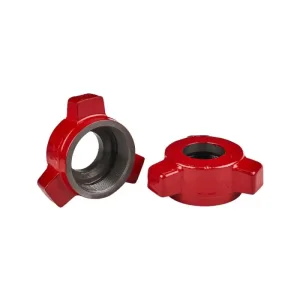
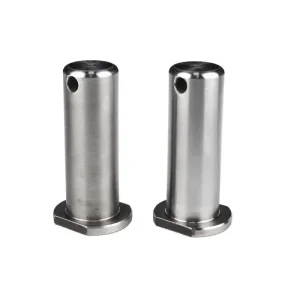
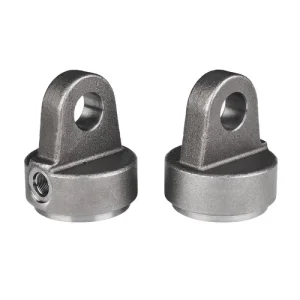
Explore our industrial grade component solutions certified for extreme environments
Analyzing market dynamics, lead-time pressures, and technological transformation
In the contemporary global manufacturing ecosystem, the demand for high-integrity metallic components is growing rapidly. Prototype sand casting remains a cornerstone process for developing large, complex, and structural parts across sectors like aerospace, defense, heavy machinery, energy, and automotive. In the past, creating cast prototypes required building costly production patterns, which took weeks. Today, digital integration has transformed the field.
Global procurement offices and engineering teams now look for China prototype sand casting factories that can combine traditional metallurgical expertise with modern rapid tooling processes. Using binder jetting 3D sand printing and advanced patternmaking, modern Chinese foundries bypass the traditional 6-week tool build. This allows them to deliver physical metal prototypes in just days.
By using precision prototype sand casting, international OEMs can quickly test functional designs, verify structural limits under mechanical load, and finalize parts before investing in high-volume production tooling. This step significantly reduces the risks associated with product launches and engineering design updates.
Produce functional, high-integrity metal castings within 7 to 12 days to verify mechanical profiles, fluid dynamics, and fitment tolerances.
Avoid expensive tooling modifications down the road by detecting design flaws, porosity issues, or stress concentrations during the prototyping phase.

Founded in 2013, Ningbo Yinzhou Haochu Machinery Manufacturing Co., Ltd. is a modern manufacturing enterprise specializing in the research, production, and service of casting and forging technologies. Driven by innovation, the company is committed to delivering high-precision machining solutions for industries such as automotive parts, agricultural machinery, valves, and industrial automation.
Located in the heart of China’s advanced manufacturing corridor in Ningbo, we leverage a strong local supply chain network, rich engineering expertise, and modern equipment. This integration allows us to offer global customers a reliable partner for their metal component projects, from initial prototype casting to final CNC machining and surface coating.
Guided by our core philosophy of "Precision Crafts Quality, Innovation Defines the Future," we focus on efficient industrial collaboration and increasing customer value by delivering reliable engineering solutions for global markets.
View Our Product CatalogUnderstanding which process matches your structural requirements and cost constraints
Selecting the right casting process is critical. While sand casting is excellent for flexibility, large sizes, and lower setup costs, other processes like investment casting (silica sol) and forging offer distinct advantages in surface finish and density. The table below outlines how these techniques compare for prototype and small-batch production:
| Casting Method | Common Materials | Dimensional Tolerance | Lead Time (Prototypes) | Initial Tooling Cost | Typical Applications |
|---|---|---|---|---|---|
| Prototype Sand Casting | Gray Iron, Ductile Iron, Alloy Steel, Cast Aluminum | ISO 8062 CT8 - CT10 | 7 - 12 Days | Very Low | Engine blocks, gearboxes, heavy tractor parts, valve bodies |
| Silica Sol Investment Casting | Stainless Steel, Alloy Steel, Carbon Steel | ISO 8062 CT5 - CT7 | 15 - 20 Days | Moderate | Aerospace fittings, marine hardware, high-end valve components |
| Forging | Carbon Steel, Structural Steels | High density, directional grain flow | 30 - 45 Days | High | High-stress shafts, connecting rods, high-pressure pipeline unions |
Prototype sand casting offers a key advantage during early-stage development: the speed with which geometry can be modified. When prototype testing reveals stress points that require thicker walls or rounded corners, a sand casting pattern can be adjusted in CAD and remade in days. In contrast, modifying forging dies or investment casting molds is often slow and expensive.
Ensuring precision, compliance, and chemical consistency in every batch
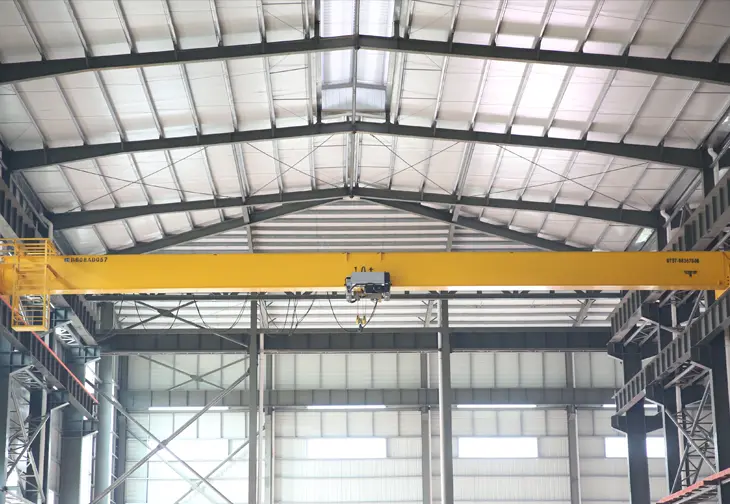
Our dedicated engineering department represents 30% of our total workforce. Supported by 10 senior inspectors, they manage the entire production process from chemical analysis to physical inspection. This focus ensures our products achieve a 99.5%+ qualification rate.
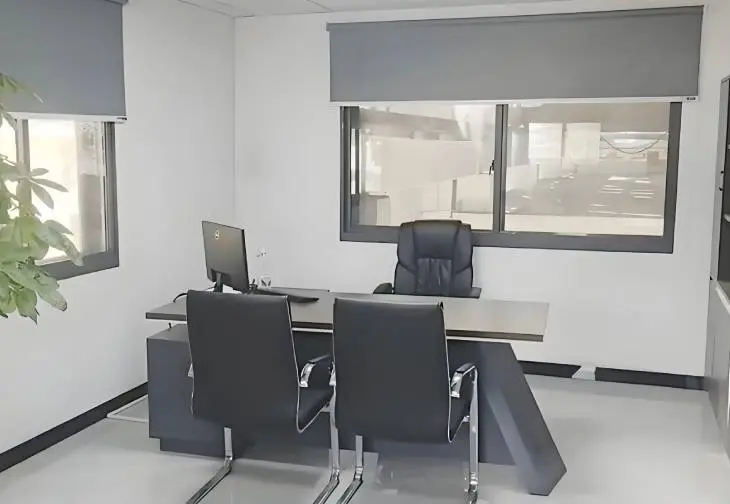
We operate over 40 modern machining centers, including vertical CNC lathes and CNC milling machines. Using Coordinate Measuring Machines (CMM), we achieve final post-machining dimensional tolerances as tight as 0.02mm, ensuring precise interfaces and mounting alignments.
Our manufacturing and testing operations follow a strict, ISO 9001-certified three-tier quality control loop. We perform chemical spectroscopy, ultrasonic testing, and hydrostatic pressure verification, providing full material traceability from raw alloy to finished component.
Engineered solutions designed for heavy industries, marine duty, and agricultural vehicles

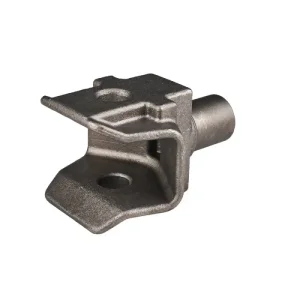
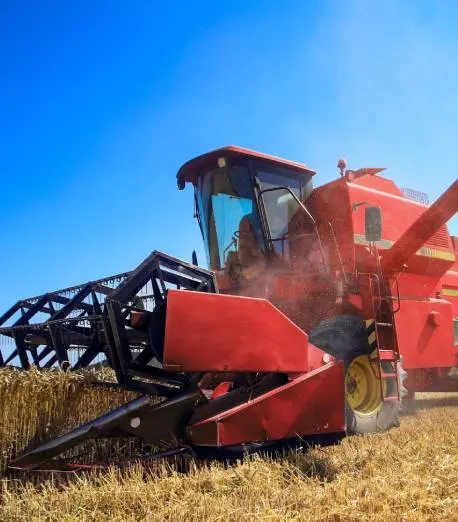
High-strength tractor linkages, transmission brackets, and suspension mounts designed to handle high mechanical stress and field use.
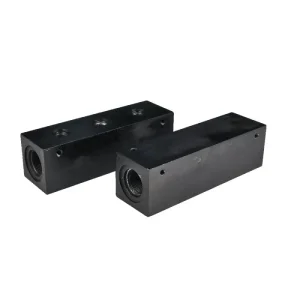
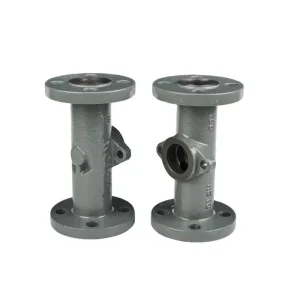
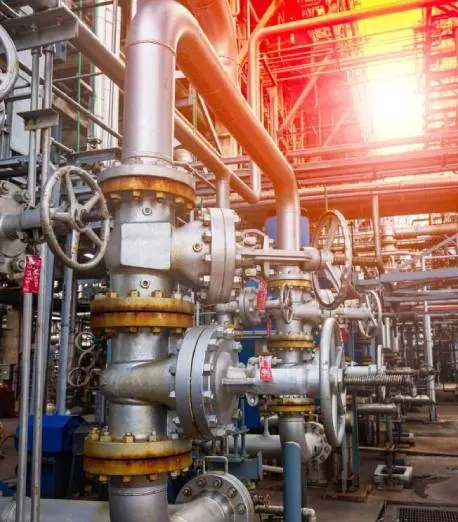
LCC alloy steel oil valves and pipeline connectors tested under hydrostatic pressure to prevent leaks in low-temperature and high-pressure service.
Engine blocks, transmission housings, and steering components engineered for lightweight performance, structural strength, and tight clearances.
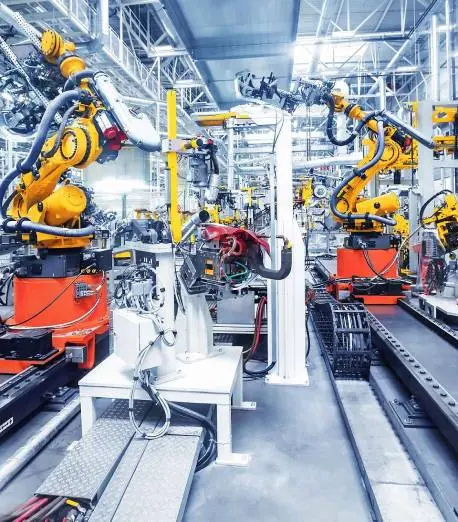
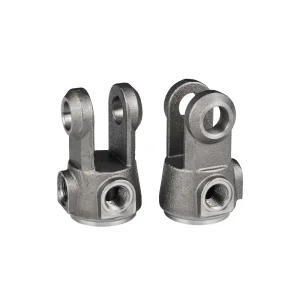
Complex mechanical link arms, brackets, and robotic arm bases that require precise machining tolerances and low thermal expansion.
We aim to become a global leader in high-end equipment manufacturing, driving precision engineering with smart technologies and supporting industrial development through sustainable practices. By using modern digital tools and green manufacturing, we work to build a world-class manufacturing platform that integrates R&D, production, and service.
Upholding green manufacturing principles, we focus on material efficiency and responsible operations. At the same time, we support our employees and work closely with our partners to deliver value to our clients under our mission: "Intelligently Crafting a Better World."
"With technology as our backbone and responsibility as our soul, we strive to show the strength of China's advanced manufacturing on the global stage." - HC MACHINE
Practical insights for international purchasing departments managing lead time, quality, and MOQ requirements
Sourcing metal components internationally requires managing three main project risks: material consistency, dimensions, and schedule delays. The checklist below outlines how to evaluate potential vendors to ensure a smooth project flow:
By following these verification steps, engineering and purchasing departments can protect their supply chains from common quality issues, reduce assembly alignment errors, and keep project timelines on track.
Answering common engineering questions about sand casting tolerances, materials, and prototyping lead times
Browse our catalog of custom-machined products and certified OEM/ODM industrial parts
 Haochu Machinery