Explore our elite selection of high-tolerance automotive parts, agricultural machinery components, oil-valves, and customized steel configurations.
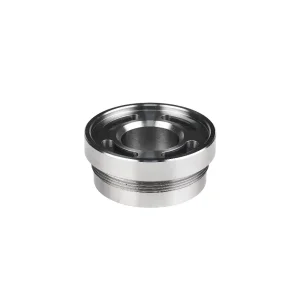
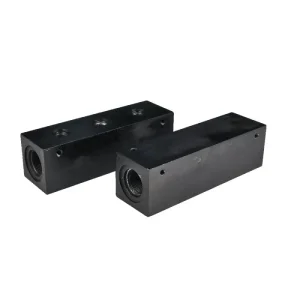
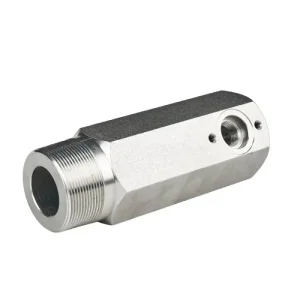
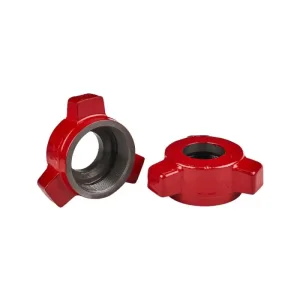
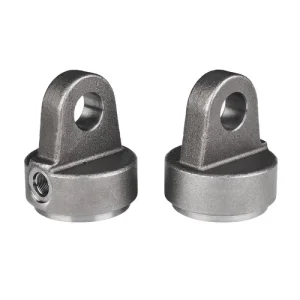
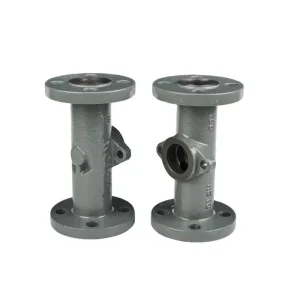
In heavy industrial manufacturing, selecting the right casting process directly governs the longevity, mechanical performance, and financial feasibility of structural components. Modern engineering processes utilize investment casting (often referred to as lost wax), sand casting, and die casting to convert molten alloys into highly complex, net-shape geometries. Our factories focus on investment casting through advanced Silica Sol binder technologies, which deliver exceptional surface finishes (Ra 1.6 to Ra 3.2) and critical dimensional tolerances (aligned with ISO 8062 CT4-CT6 levels).
For industries operating in demanding environments—such as marine, petrochemical, agricultural, and automotive sectors—the metallurgical consistency of the casting is paramount. Under Search Intent guidelines, engineering stakeholders require details on carbon segregation prevention, dendritic grain structures, and internal void minimization. By choosing custom-configured mold solutions, advanced material options (like LCC alloy steel and 45# carbon steel), and state-of-the-art heat treatments, we deliver components optimized for high stress, extreme temperatures, and corrosive conditions.
Request Engineering Specs
Ningbo Yinzhou Haochu Machinery Manufacturing Co., Ltd. (established in 2013) is a modern manufacturing enterprise specializing in the research, production, and service of casting and forging technologies. Driven by innovation, the company is committed to delivering high-precision machining solutions for industries such as automotive parts, agricultural machinery, valves, and industrial automation.
The company excels through three key strengths: a skilled team with 30% technical staff and 10 senior inspectors ensuring 99.5%+ product qualification via end-to-end quality control; 40 modern machines (CNC lathes, machining centers) and CMMs enabling high-precision production (annual capacity > RMB 30M); and an ISO 9001-certified three-tier inspection system fostering trust with renowned domestic/international clients via reliable delivery and consistent quality.
How our foundry achieves defect-free, micro-structured castings through optimized chemical compositions and automated wax tooling processes.
The casting process starts with injecting metal dies with high-quality compound waxes under high pressure. These wax patterns replicate the design geometries. Multiple wax parts are assembled onto a central runner gating system to construct a complete casting cluster tree.
Unlike cheaper water-glass solutions, we dip the wax tree in a premium colloidal silica sol slurry, then apply layers of zircon sand. This dipping process is repeated 5 to 7 times. The result is a highly heat-resistant ceramic mold shell that minimizes surface scaling.
The coated assembly is placed inside a high-pressure steam autoclave, heating the mold to melt and drain the internal wax tree cleanly. The empty ceramic shell is then fired at temperatures between 950°C to 1100°C. This ensures complete trace-wax vaporization and high thermal strength.
Alloys (such as LCC steel, 45# carbon steel, or high-tensile copper) are melted inside electric induction furnaces. Precise chemical composition checks are completed using optical spectrum analyzers before pouring the molten metal into the pre-heated ceramic shell.
After the molten metal cools, the ceramic shell is broken away. The casting parts are cut from the runner tree, and remaining gates are ground flat. Short-blasting uses steel shot to remove trace scale, delivering a clean, paint-ready surface finish.
Components requiring tight tolerances are processed via advanced CNC machining centers to meet ±0.02mm dimensional requirements. Finished castings then undergo non-destructive inspection (NDT) including magnetic particle testing, dye penetrant tests, and CMM checks.
Compare dimensional tolerances, surface quality, and material yields across three primary metal casting methodologies.
| Casting Attribute / Feature | Silica Sol Investment Casting | Water Glass Investment Casting | Traditional Sand Casting |
|---|---|---|---|
| Dimensional Tolerance | ISO 8062 CT4 - CT6 (Highly Precise) | ISO 8062 CT7 - CT9 (Moderate) | ISO 8062 CT10 - CT13 (Coarse) |
| Surface Roughness (Ra) | 1.6 μm - 3.2 μm | 6.3 μm - 12.5 μm | 12.5 μm - 25.0 μm |
| Wall Thickness Minimum | 1.0 mm (Thin-wall optimization) | 3.0 mm | 6.0 mm |
| Max Part Weights | Up to 120 kg | Up to 150 kg | Up to several tons |
| Primary Material Fit | Stainless steels, LCC, low carbon, alloy steels | Carbon steel, low-alloy structural steels | Ductile iron, grey cast iron, bronze |
| Tooling Cost Structure | Medium to high upfront tooling | Moderate tooling costs | Low initial tool setup cost |
How high-precision casting components are deployed in heavy industries globally, meeting operational needs from sub-zero temperatures to high-wear scenarios.
Valves operating in chemical processors require strict grain boundary control. By using LCC alloy steels, our castings provide high impact resistance at temperatures down to -46°C. They are built to operate reliably in North Sea and Arctic projects.
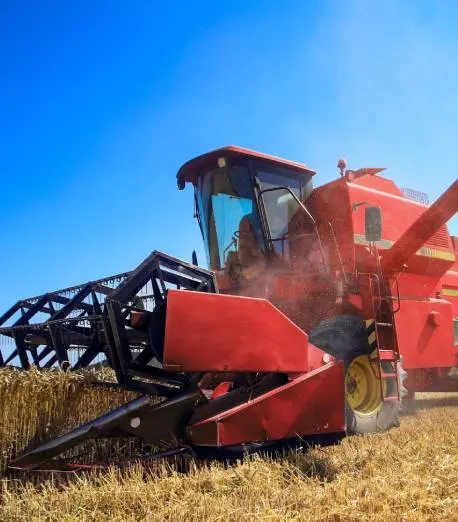
Modern farm implements face continuous abrasion and mechanical impacts. Our 6061-T6 aluminum components, finished with hard anodization, reduce weight by up to 35% compared to steel. They maintain the structural integrity needed to withstand muddy fields and rocky terrain.
Chassis brackets, steering knuckles, and transmission gears require consistent grain structure. We use 45# carbon steel to ensure high tensile strength and yield performance. These parts are designed to meet strict vibration, harshness, and safety guidelines.
Offshore oil and gas pipelines operate under high pressures. Our forged steel unions and threaded connectors, machined with precise 2" UNC threads and coated with zinc plating, prevent thread galling under cyclic pressure loads.

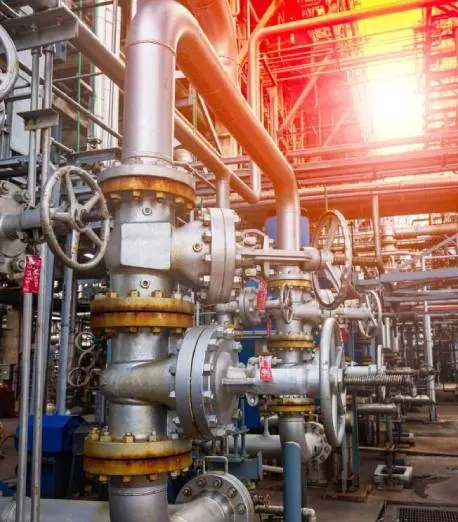
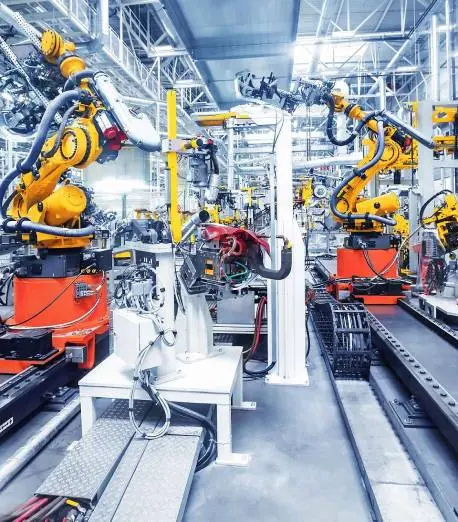
Our structured roadmap for adopting additive manufacturing, green foundries, and AI-driven mold flow analysis.
We are integrating solidification simulation software. This technology predicts hot spots, gaseous porosity risks, and shrinkage behavior before tooling begins. This integration reduces sample times from 12 days to just 7 days.
For complex geometries, we print ceramic cores and sand molds directly using binder jetting systems. This allows for fast modifications without building expensive permanent injection tools.
Our focus includes using recycled scrap materials and electric induction melting. These processes lower overall energy consumption. Secondary baghouse filtration systems help minimize particulate emissions, keeping our operations aligned with international standards.
We are introducing in-line optical emission spectrometry at pouring basins. This lets us monitor alloy ratios during production, preventing off-spec runs.
Ningbo is an international logistics hub, situated close to the deep-water Ningbo-Zhoushan Port. This proximity offers convenient logistics pathways that reduce lead times and shipping costs for global clients.
The local manufacturing cluster provides stable access to raw materials, including clean pig iron, scrap steel, and ferroalloy additions. Close partnerships with nearby heat-treatment providers and specialized coating facilities help maintain consistent production workflows.
Our facilities feature redundancy in tooling storage, back-up electric power, and safety-stock plans for critical raw materials. These measures minimize supply chain disruption, helping us maintain reliable delivery schedules for agricultural, valve, and automotive partners worldwide.
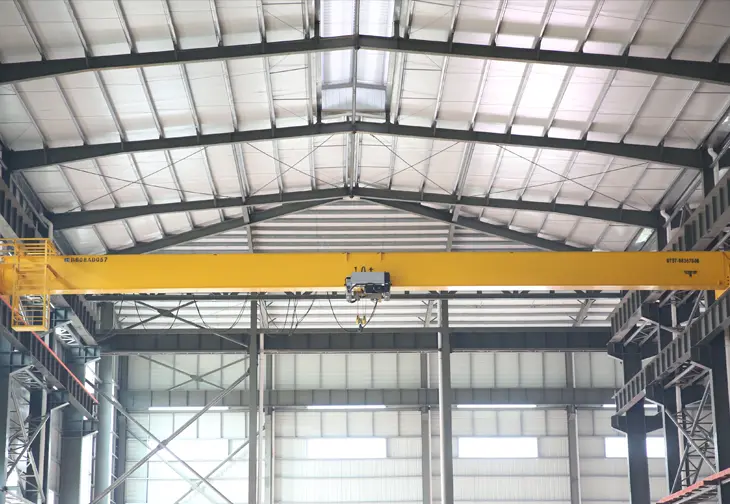
Ningbo Yinzhou Haochu Machinery Manufacturing Co., Ltd. delivers reliable component solutions to support global industrial infrastructure.
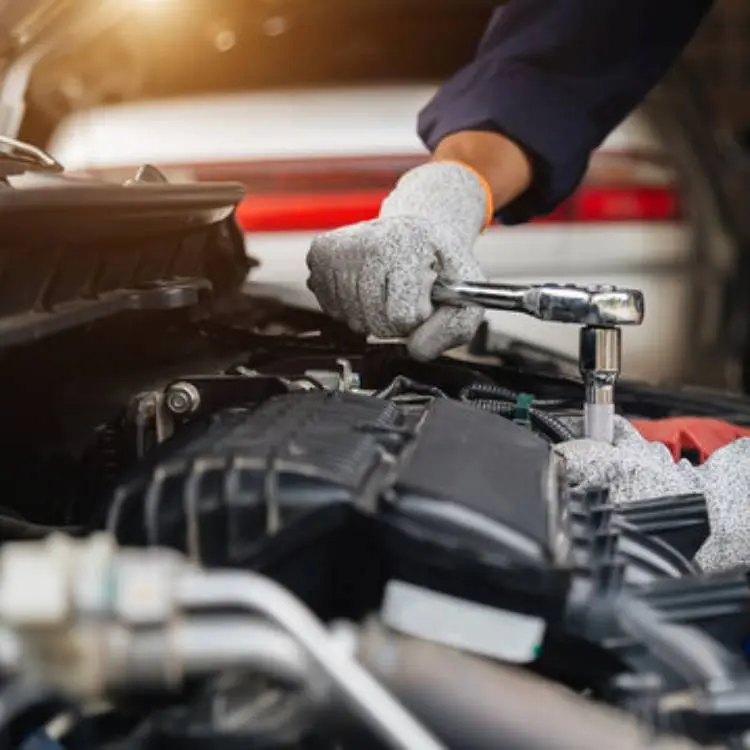
Guided by our core philosophy of "Precision Crafts Quality, Innovation Defines the Future," we foster efficient industry collaboration and elevate customer value by delivering smarter, more reliable solutions for global industries. Upholding green manufacturing principles, we build a low-carbon, resource-efficient ecosystem, fulfill social responsibilities, support employee growth, and drive community prosperity to achieve our ultimate mission: "Intelligently Crafting a Better World."
With technology as our backbone and responsibility as our soul, we strive to illuminate the global stage with China’s intelligent manufacturing excellence. HC MACHINE stands as a leading China Customized High Precision Casting Manufacturer, serving demands across continents with an engineering-first mentality.
Answers to common technical, metallurgical, and supply chain questions from global procurement managers.
Our silica sol investment casting process meets ISO 8062 CT4 to CT6 tolerances. For dimensions requiring greater precision, post-machining via our CNC centers achieves tolerances down to ±0.02mm.
Yes, we specialize in LCC, LCB, and carbon steels. We perform water quenching and tempering heat treatments, verified by Charpy V-notch impact testing, to ensure durability in low-temperature applications.
For customized casting designs, we deliver initial sample proofing within 7-12 days. This process covers CAD mold optimization, tool building, casting, and finishing.
We use mold flow simulations to design optimal riser layouts. Castings then undergo non-destructive testing (NDT), including ultrasonic and radiographic inspections, to verify structural integrity.
We offer shot blasting, zinc plating, phosphating, powder coating, hot-dip galvanizing, and chrome plating to meet diverse corrosion resistance requirements.
Yes, we accept low MOQ orders. This flexibility allows engineers and procurement managers to transition smoothly from prototype testing to full-scale production runs.
High-durability replacement parts and assemblies, tested to international standards.
 Haochu Machinery