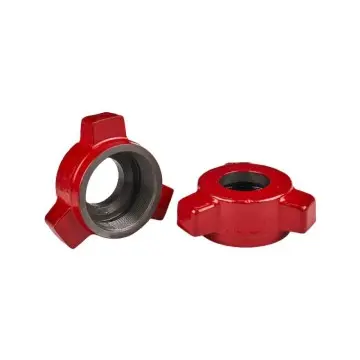
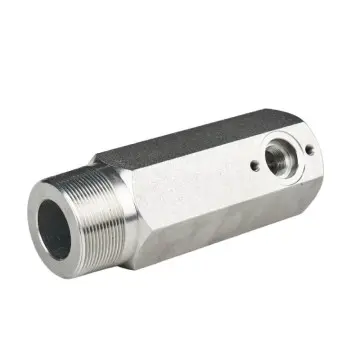
Explore our industrial-grade components, cast and forged to strict tolerances using silica sol techniques, CNC machining, and specialized anti-corrosive finishes.
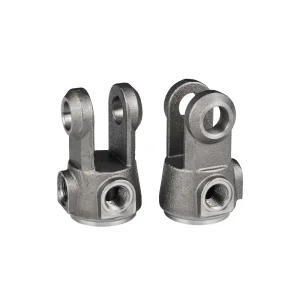
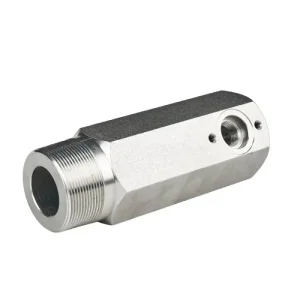
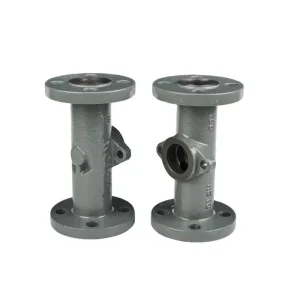
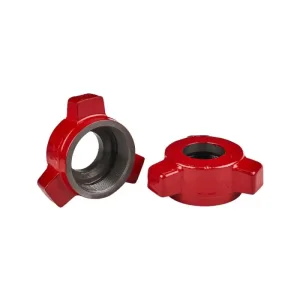
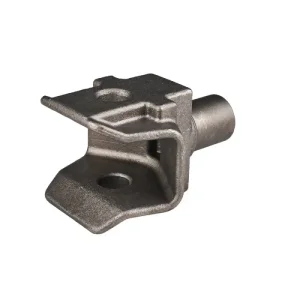
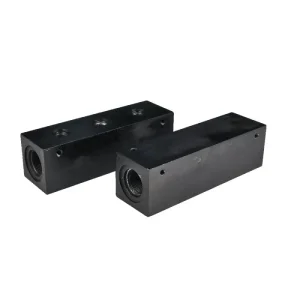
Ningbo Yinzhou Haochu Machinery Manufacturing Co., Ltd. is an industry-leading modern manufacturing enterprise specializing in the research, production, and service of casting and forging technologies. Driven by innovation, the company is committed to delivering high-precision machining solutions for demanding industries such as automotive parts, agricultural machinery, oil & gas valves, and industrial automation systems. Upholding green manufacturing principles, we build a low-carbon, resource-efficient ecosystem, support employee growth, and drive community prosperity to achieve our ultimate mission: "Intelligently Crafting a Better World."
Ultra-precise tolerances achieved through dynamic machining setups.
Reflecting long-term trust from global tier-1 supply chain buyers.
Simultaneous multi-size and multi-process sampling capabilities.
A seasoned team solving complex structural metal designs.

Understanding the intersection of design parameters, alloy compositions, and structural performance in casting and forging technologies.
In the modern manufacturing landscape, the choice between casting and forging technologies defines the ultimate efficiency, weight, cost, and lifecycle endurance of a mechanical assembly. Industries such as automotive manufacturing, agricultural machinery, oil & gas flow control, and heavy industrial automation require highly customized components. Ningbo Yinzhou Haochu Machinery Manufacturing Co., Ltd. addresses these requirements by integrating design, advanced toolmaking, silica sol casting, forging, and multi-axis CNC post-machining under one ISO 9001-certified framework.
Our manufacturing processes prioritize the enhancement of physical metallurgy. While investment casting via the Silica Sol process yields high dimensional consistency (within CT4-CT6 levels) and superior surface finishes (Ra 1.6 - 3.2 microns) suitable for complex geometries, our forging systems are optimized for stress-bearing applications where directional grain refinement is critical. Below, we examine how these two foundational technologies are applied across core industrial sectors.
The global transition to Electric Vehicles (EVs) demands lightweighting without sacrificing structural integrity. Our factory produces high-tolerance suspension components, structural mounts, and drivetrain accessories with grinding and E-coating (electrolytic deposition) treatments to prevent corrosion under extreme operational stresses.
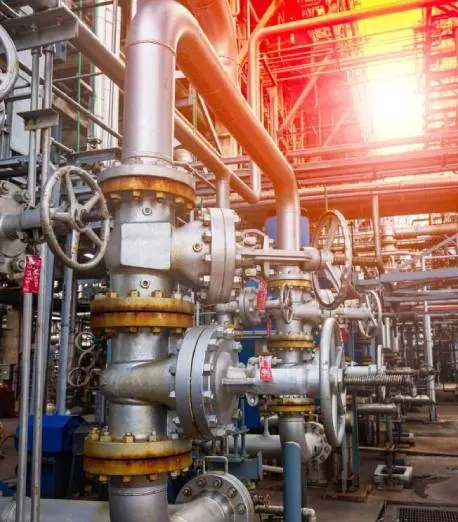
Valves and pipeline fittings, such as our LCC alloy steel valves and forged steel unions, operate under severe pressures and corrosive environments. Using precise chemistry validation and high-pressure sealing tests, we prevent intergranular corrosion and micro-porosity defects, ensuring leakage-free performance in pipelines.
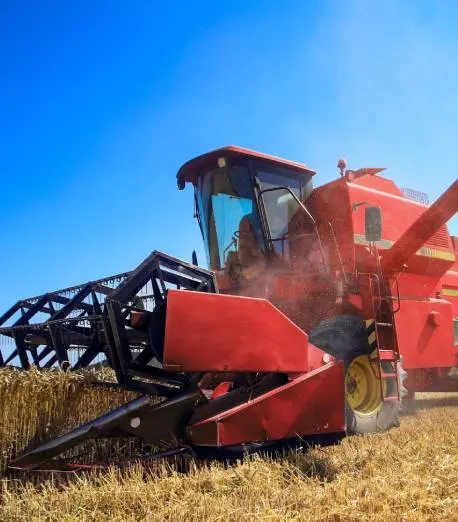
Heavy machinery operates in abrasive soils and varying weather. Our structural steel tractor accessories and CNC-machined 6061 aluminum parts deliver high impact strength, optimized grain flow patterns, and weather-resistant zinc plating, minimizing downtime for agricultural operators.
A comparison of casting and forging parameters to guide design engineers in choosing the optimal manufacturing path.
| Manufacturing Parameter | Silica Sol Investment Casting | Precision Hot/Cold Forging |
|---|---|---|
| Typical Tolerance Range | ISO 8062 CT4 - CT6 (±0.15mm to ±0.3mm) | EN 10243 Grade F (±0.25mm to ±0.5mm) |
| Surface Roughness (Ra) | 1.6 to 3.2 μm (Smooth, reduced post-machining) | 3.2 to 12.5 μm (Requires scale removal) |
| Grain Structure & Alignment | Isotropic, uniform grain distribution | Continuous directional grain flow matching part contour |
| Geometric Complexity | Extremely High (Under-cuts, internal cores) | Moderate (Requires draft angles, symmetrical profiles) |
| Typical Material Suitability | LCC Carbon/Alloy Steel, Stainless Steel, Duplex Steel | Carbon Steel, Structural Alloy Steel, Aluminum Alloys |
| Mechanical Strengths (Yield/Tensile) | Standard properties based on alloy chemistry | Superior impact resistance, fatigue limits, and load capacity |
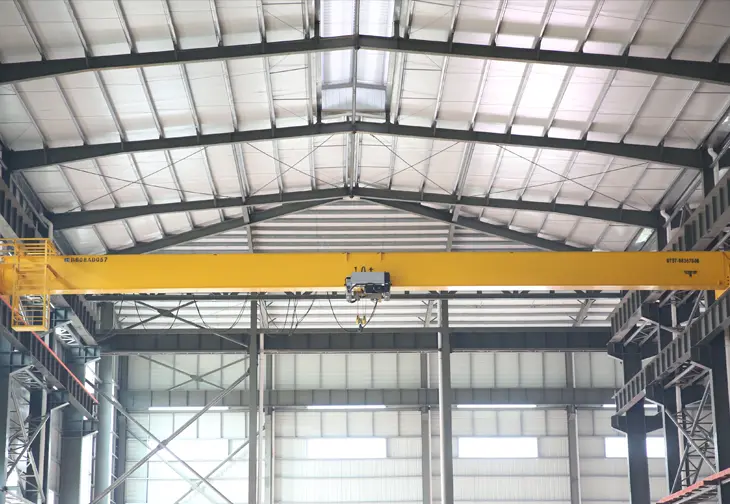
Our facility operates 40+ modern production machines, including multi-axis CNC lathes, high-speed vertical and horizontal machining centers, and coordinate measuring machines (CMM). A dedicated team where 30% of personnel are engineering and quality control specialists, along with 10 senior inspectors, monitors every stage of production from raw ingot melting to final superficial coating.
Our quality control protocols follow a strict three-tier verification process:
Deploying specialized casting and forging parts to critical machinery sectors across major economic zones.
Meeting international quality guidelines to ensure global supply chain reliability.
For multinational procurers, regulatory compliance and document traceability are critical. Ningbo Yinzhou Haochu Machinery Manufacturing Co., Ltd. provides chemical composition certificates (MTRs - Material Test Reports), dimensional reports, and heat treatment reports for every batch.
We operate within recognized global guidelines:
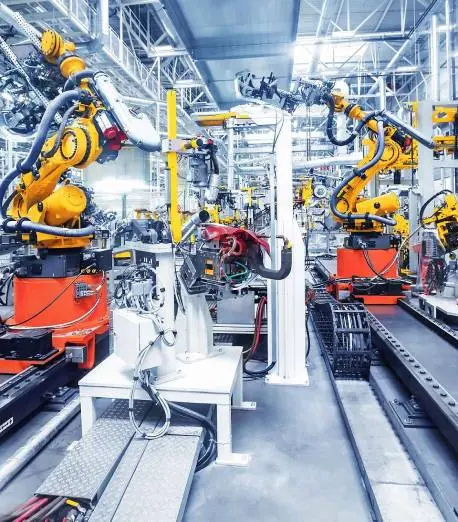
To support sustainable industrial growth, Haochu Machinery is modernizing its operations through smart manufacturing initiatives. This includes integrating AI-assisted mold-flow analysis to predict solidification shrinkage before tool construction, implementing automated robotic grinding stations to ensure consistent surface preparation, and adopting low-emission induction furnaces to reduce carbon footprints during raw material processing.
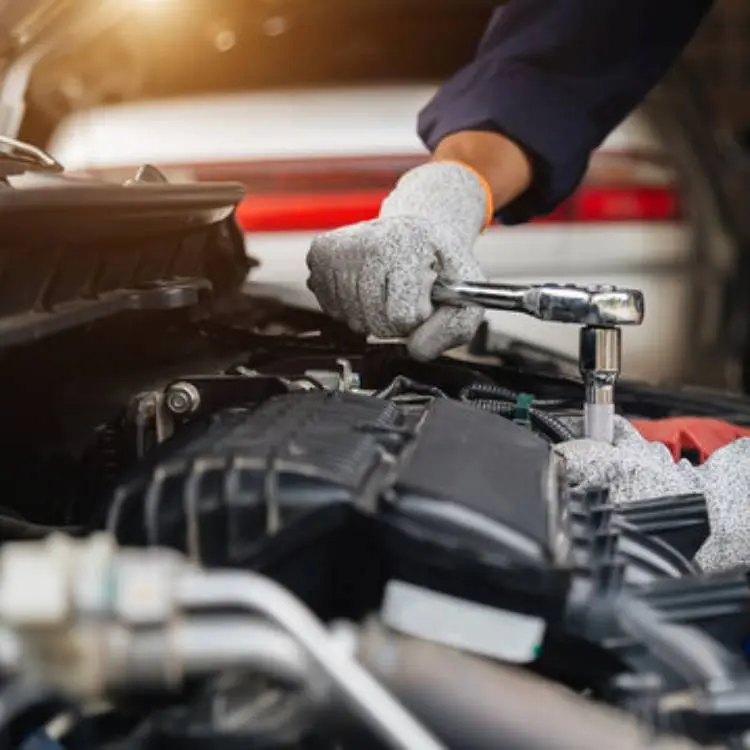
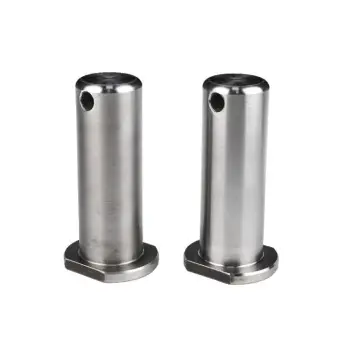
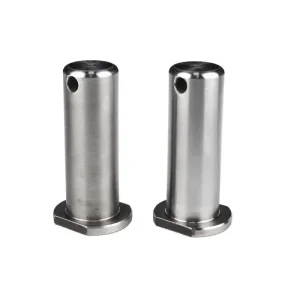
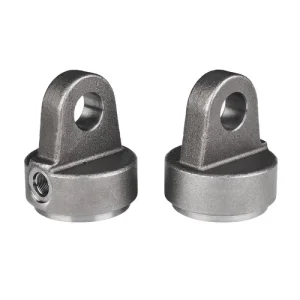
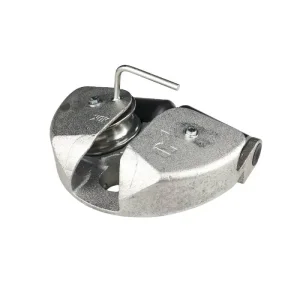
Explore some of our highly requested precision components in production.
Insights on engineering variables, quality control standards, and project parameters.
Silica Sol investment casting (colloidal silica binder process) offers superior dimensional accuracy and surface finishes compared to water glass casting. It provides tight tolerances (typically ISO 8062 CT4-CT6) and a surface roughness profile of Ra 1.6 to 3.2 μm, minimizing post-machining operations. It is well-suited for high-alloy steel and stainless steel components requiring intricate internal paths and fine details.
We combine advanced multi-axis CNC machining centers with modern metrology tools. Quality verification is conducted on-site using coordinate measuring machines (CMM) and calibrated digital air gauges, ensuring finished component dimensions match the specifications of your 3D CAD files.
We provide multiple industrial surface treatments based on environmental requirements:
• Zinc Plating (Galvanization): Offers protection against oxidation for outdoor agricultural parts.
• E-Coating (Electrophoretic Deposition): Creates a uniform chemical barrier ideal for complex automotive underbody components.
• Phosphating & Powder Coating: Provides a robust foundation for heavy industrial pipeline fittings and high-temperature valve applications.
We maintain full batch traceability. Every shipment of raw ingots undergoes chemical composition testing using our optical emission spectrometer. We generate Material Test Reports (MTR) according to EN 10204 3.1 standards, detailing the precise levels of carbon, manganese, silicon, chromium, and other alloying elements.
Our typical prototyping lifecycle spans 7 to 12 days. During this phase, we carry out 3D simulation analysis, mold design, pattern creation, casting, heat treatment, and precision CNC finishing. We can also produce multi-size and multi-process prototype runs concurrently to expedite testing.
Forging applies directional mechanical force, refining grain boundaries to follow the shape of the part. This yields superior tensile strength, impact toughness, and fatigue resistance, which is suitable for high-stress components like pipeline unions. Casting allows the metal to solidify in a mold, accommodating complex interior shapes, organic configurations, and diverse alloy compositions that are difficult or costly to forge.
Complete your procurement requirements with our precision-engineered industrial solutions.
Get in touch with our technical team to discuss material properties, dimensional tolerance guidelines, and custom metal forming solutions. We offer low-MOQ capabilities and multi-process rapid prototyping.
 Haochu Machinery