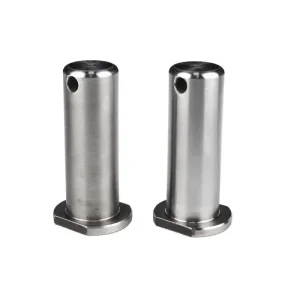
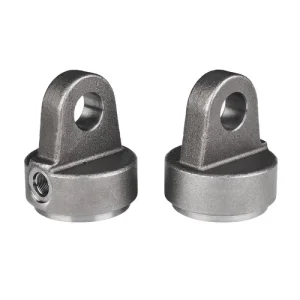
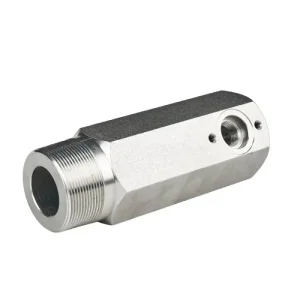
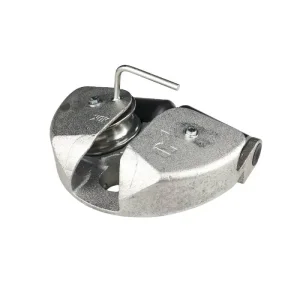
Explore our engineering capability via hot-selling industrial solutions shipped globally.
Modern supply chains demand strict tolerances (often ±0.02mm or better for finished parts) to eliminate costly post-machining setup time. Advanced B2B buyers mandate integrated mold casting and CNC post-processing on a single shop floor to achieve zero-defect modular assembly.
For highly stressed components such as tractor accessories, oil pipeline unions, and automotive suspension parts, mechanical characteristics are critical. Global engineering departments require complete chemical composition reports (spectrometer checks) and physical test reports for every batch.
Speed-to-market determines profitability. OEM and ODM customers expect fast-turnaround sampling—ideally within 7 to 12 days—covering multi-size or multi-process casting options to quickly validate engineering designs before mass tooling setup.
The global mold casting manufacturing ecosystem is evolving from simple foundry processes to high-tech, digitalized smart manufacturing hubs. To maintain competitiveness in modern supply networks, foundries must combine physical metallurgy with computational geometry.
Our strategic manufacturing approach centers on the optimization of the Silica Sol Investment Casting workflow. Compared to traditional sand casting or water glass casting, silica sol methods provide a superior surface finish, reducing the mechanical allowance needed for finishing operations. This saves raw materials, minimizes tool wear during CNC grinding, and significantly lowers the total cost of ownership (TCO) for wholesale buyers.
Through finite element analysis (FEA) of fluid flow and thermal solidification, we optimize riser configurations to prevent shrinkage cavities. The result is structural homogeneity across complex geometries, such as those found in hydraulic valves, high-pressure pipeline unions, and custom automotive components.
Download Technical Roadmap
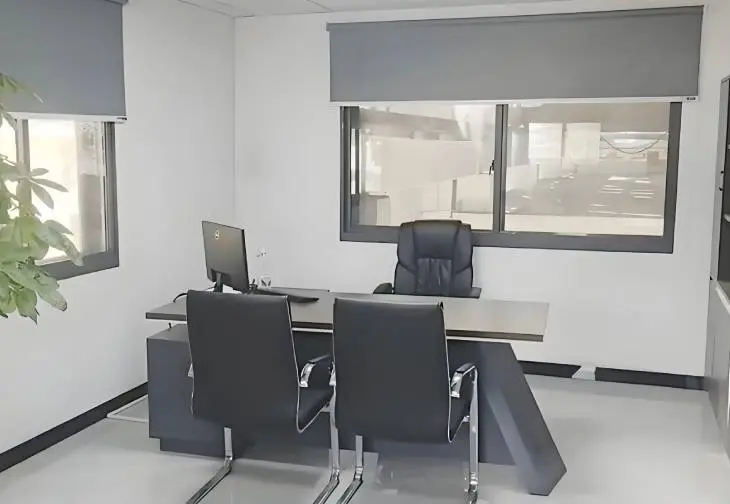
Established in 2013, Haochu Machinery has grown into a modern, integrated manufacturing enterprise. We specialize in the research, production, and service of casting and forging technologies, delivering high-precision machining solutions for demanding industries such as automotive parts, agricultural machinery, oil valves, and industrial automation.
Our core philosophy, "Precision Crafts Quality, Innovation Defines the Future," guides our technical teams and quality inspectors. Through intelligent, digital, and green processes, we establish a world-class manufacturing benchmark that addresses the complex needs of both domestic and international clients.
| Manufacturing Attribute | Silica Sol Investment Casting | Forging & Composite Casting | Post-Casting Machining (CNC) |
|---|---|---|---|
| Common Materials | LCC Alloy Steel, Stainless Steel (CF8/CF8M), Carbon Steel | Alloy Steel, Forged Steel, 6061 Aluminum Alloy | All Cast & Forged Substrates, Bar Stock |
| Dimensional Tolerance | ISO 8062-3 DCTG 6 - 8 | EN 10243-1 Quality Class F | Up to ±0.02 mm (Linear & Geometric) |
| Surface Finish (Roughness) | Ra 3.2 to Ra 6.3 µm | Ra 6.3 to Ra 12.5 µm | Ra 0.8 to Ra 1.6 µm (Grinding/Honing option) |
| Maximum Unit Weight | Up to 120 kg | Up to 250 kg | Subject to machining envelope (up to 800mm Axis) |
| Lead Time (Proto / Production) | 7-12 days (Sampling) / 3-4 weeks | 10-15 days (Sampling) / 4 weeks | Integrated directly into the production line |
Every product undergoes a comprehensive verification process. First-article inspections (FAI) confirm setup parameters, operator inspections monitor ongoing runs, and final QC verification before packaging prevents out-of-tolerance parts from leaving the factory floor.
We verify complex dimensions using modern metrology tools. Coordinate Measuring Machines (CMM), optical spectrometers, ultrasonic thickness gauges, magnetic particle inspection (MPI) equipment, and digital calipers ensure geometric tolerance conformity.
Our workforce features deep technical expertise. Roughly 30% of our personnel hold roles in manufacturing engineering and quality assurance. Ten dedicated senior quality control inspectors oversee all critical manufacturing steps.
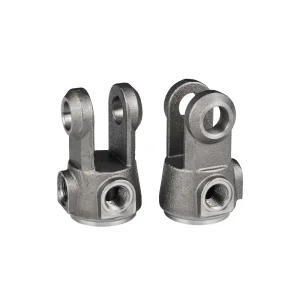
High-precision components requiring complex geometries and excellent surface finishes, such as brake calipers, transmission brackets, engine mounts, and suspension linkages, manufactured under ISO 9001 standards.
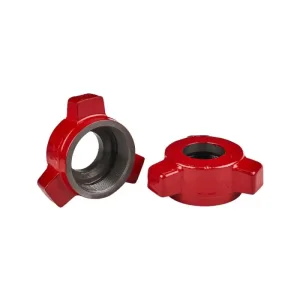
Corrosion-resistant steel pipeline fittings, high-pressure union components, and custom-cast valve bodies made of LCC alloy steel. These products are engineered to withstand extreme pressures and corrosive service environments.
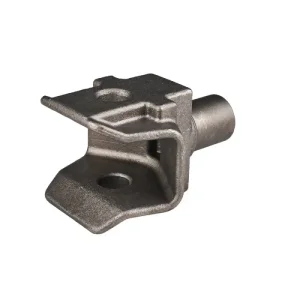
Tractor accessories, linkages, wheel hubs, and high-strength bracket structures. These components are cast from alloy steel and finished with zinc plating or protective coatings to resist moisture, soil abrasion, and heavy mechanical stress.
Industrial supply chains are increasingly focused on environmental performance. As a global supplier, Haochu Machinery works to minimize waste through optimized material designs and efficient process layouts. Our modern casting practices emphasize metal recovery, scrap recycling, and the filtration of process emissions.
By investing in energy-efficient induction melting systems and modern temperature controls, we reduce energy use per ton of poured metal. The clean sand and binder recovery loops in our foundry limit the waste sent to local municipal landfills. This directly supports the environmental, social, and governance (ESG) reporting objectives of our multinational buyers.
Our long-term development roadmap focuses on the expansion of robotic sand-milling cells and automated wax pattern assembly. These innovations will further improve casting consistency and help protect our workforce from hazardous physical tasks.
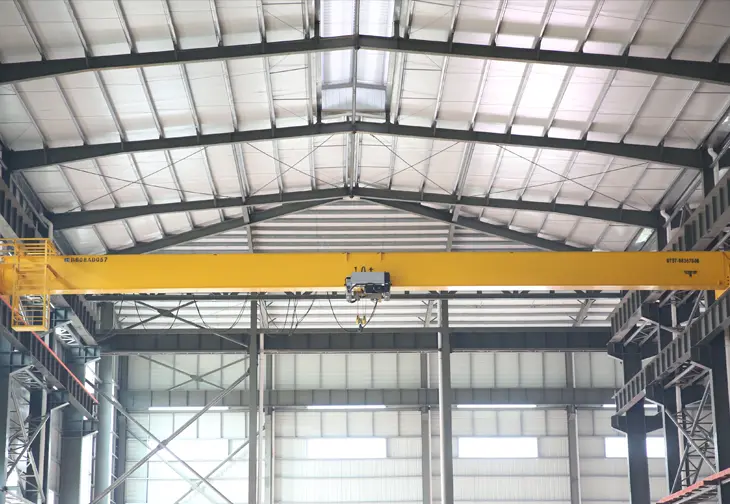
Browse our catalog of custom-engineered solutions for global markets.
 Haochu Machinery