High-precision casted and CNC machined solutions for global industrial applications.
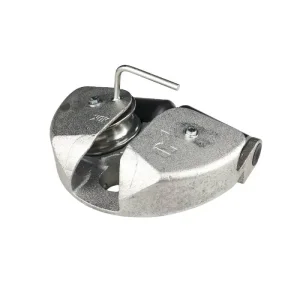
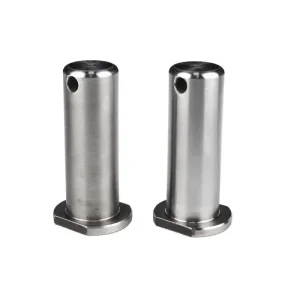
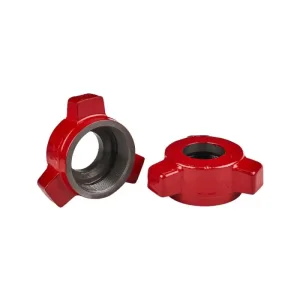
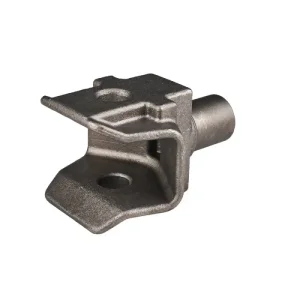
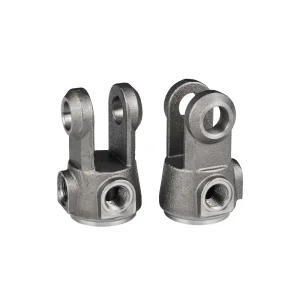
Established in 2013, Ningbo Yinzhou Haochu Machinery Manufacturing Co., Ltd. is a modern, high-tech manufacturing enterprise specializing in the research, development, production, and service of elite casting and forging technologies. Based in Ningbo, the heartland of China's heavy industrial manufacturing, we have engineered sophisticated component solutions for over a decade. Our corporate directive is to deliver high-precision machining, investment casting, and forging services that empower critical industries including automotive systems, high-durability agricultural machinery, fluid control valves, and industrial automation networks.
Driven by intelligent manufacturing principles, HC Machine bridges the gap between digital design and physical metallurgical products. We support global original equipment manufacturers (OEMs) and original design manufacturers (ODMs) through flexible prototype development cycles and high-volume wholesale operations, ensuring that every engineered component meets stringent dimensional accuracy and structural integrity benchmarks.
Learn More About Us
Underpinned by rigorous ISO 9001:2015 quality management and state-of-the-art testing instrumentation.
Our operation is built upon a foundation of human expertise. More than 30% of the HC Machine workforce consists of dedicated technical engineers and product development specialists. Quality assurance is directed by 10 senior inspectors who manage every phase of metallurgical formation, from structural simulation and mold preparation to final non-destructive testing (NDT).
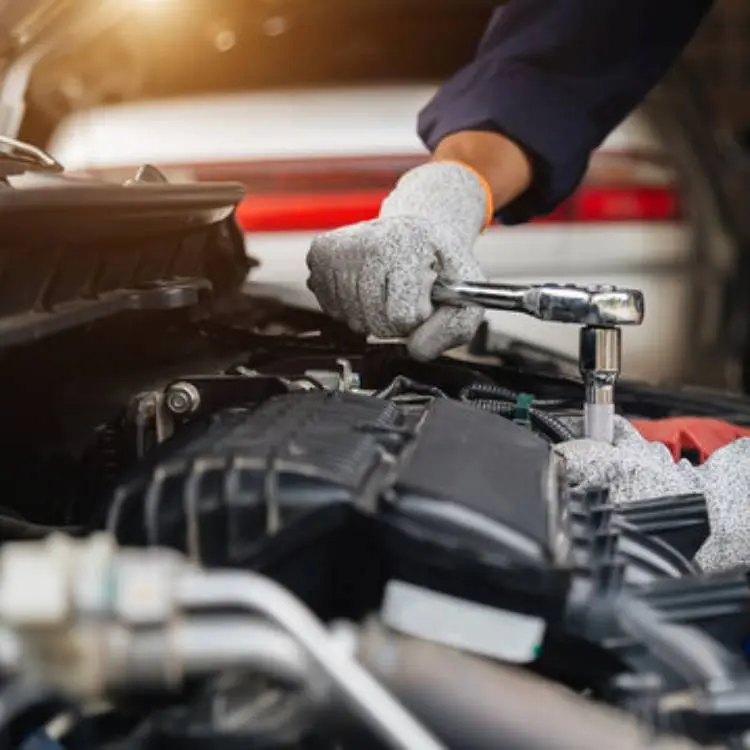
Our production floor features a fleet of over 40 modern machining systems, including multi-axis CNC machining centers, high-speed CNC lathes, and advanced Coordinate Measuring Machines (CMM). This machinery allows us to maintain tolerances down to ±0.02mm, providing an annual production capacity exceeding RMB 30 Million.
We enforce a strict three-level inspection process across our manufacturing line. Every part undergoes self-inspections by system operators, routine sampling by engineering supervisors, and complete final verification by our QA team prior to packaging. This process guarantees a product qualification rate exceeding 99.5%.
In modern industrial manufacturing, the transition from computer-aided design (CAD) to physical, operational metal components is a critical phase. Prototype metal casting sits at the center of this transformation, allowing engineering teams to test mechanical designs, confirm thermal behavior, and verify overall performance before initiating high-volume tooling investments.
Industrial procurement departments worldwide face a common challenge: reducing product development cycles while maintaining high engineering quality. Conventional sand casting and low-grade investment processes often fail to meet the performance criteria needed for high-stress applications in automotive engines, hydraulic valves, and off-road tractor drivetrains. Modern procurement groups require manufacturers that can supply low-minimum order quantity (Low MOQ) production runs, short prototyping cycles (7-12 days), and clear compliance with material specifications such as ASTM, DIN, and ISO standards.
At HC Machine, we address these demands by using silica sol investment casting and precision CNC post-machining. This hybrid approach enables us to manufacture complex prototypes that closely match the structural properties of final production castings. We minimize initial tool costs, allowing engineering teams to refine components through multiple iterations without facing budget constraints.

Figure 1: High-precision prototype cast valves undergoing dimensional inspection.
A central decision in prototype development is selecting the optimal production process: investment casting (silica sol) or forging. Investment casting excels at producing intricate internal structures, thin walls, and complex geometries with clean surface finishes, making it ideal for engine blocks, hydraulic manifolds, and valve bodies. Forging, on the other hand, aligns the internal grain structure of the metal to deliver high impact resistance, which is preferred for heavy-duty components like tractor hubs, links, and high-pressure oil pipeline unions.
Because HC Machine maintains production capabilities in both casting and forging, our engineering team provides objective guidance for each project. We analyze target stress loads, weight limits, and cost targets to recommend the most efficient manufacturing path for your prototype designs.
Engineered components designed for high-stress and high-wear applications.
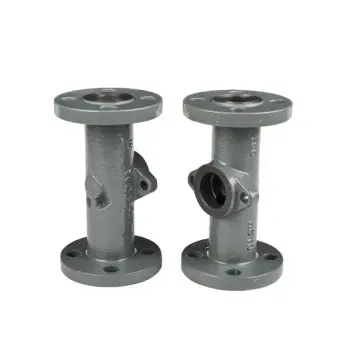
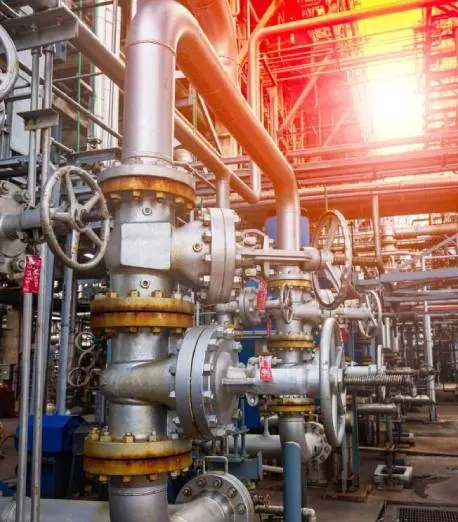
High-Performance LCC Alloy Steel Oil Valves
Precision casted LCC alloy steel bodies engineered for chemical processing, oil transport, and extreme temperature conditions.
Request Specifications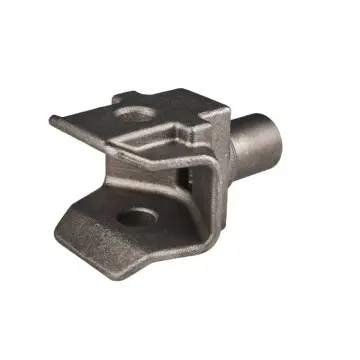
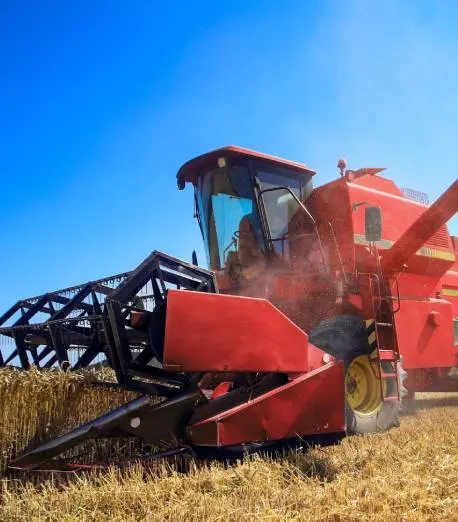
High-Performance Alloy Steel Tractor Accessories
Heavy-duty cast suspension and transmission accessories designed to withstand extreme torque and environmental wear.
Request Specifications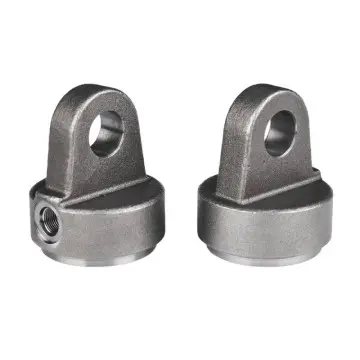
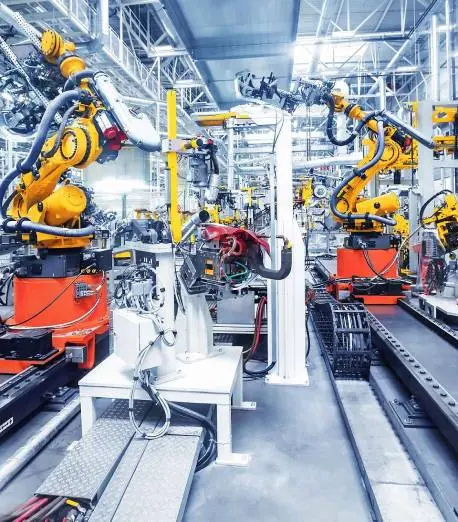
High-Performance Silica Sol Casting Components
OEM customized silica sol castings featuring high dimensional consistency and thin-wall geometry configuration.
Request SpecificationsWe deliver reliable prototype and volume casting solutions for demanding global sectors.
A key aspect of structural performance in metal casting is the combination of base alloy chemistry and post-cast thermal treatment. HC Machine works with a wide range of ferrous materials, configuring each melt to meet specific mechanical goals.
| Material Class | Common Grades | Mechanical Properties | Typical Applications |
|---|---|---|---|
| Alloy Steel | 40Cr, 42CrMo, LCC | High tensile strength, yield resilience | Tractor parts, structural linkages |
| Carbon Steel | 45# Steel, WCB | Balanced ductility, ease of machining | Automotive components, cylinders |
| Stainless Steel | 304, 316, 316L | Corrosion resistance, thermal stability | Chemical pump valves, marine fittings |
Unfinished cast steel remains vulnerable to environmental corrosion, especially during transit or in demanding field settings. HC Machine offers several surface treatment options to protect parts from degradation:
Figure 2: CMM inspection verifying the dimensional tolerance of cast automotive mounts.
The modern foundry is changing, moving away from manual trial-and-error practices. HC Machine utilizes casting simulation software to model metal flow, cooling behavior, and solidification patterns within the mold before pouring begins. This digital planning helps identify potential shrinkage cavities, hot tears, or gas porosity early in the design stage, significantly reducing prototyping revisions and saving time during production start-up.
We are committed to becoming a global innovation leader in high-end equipment manufacturing, driving precision engineering with smart technologies and empowering the future of industry through sustainable development. By advancing intelligent, digital, and green technologies, we aim to establish a world-class benchmark in machinery manufacturing that integrates R&D, production, and service.
Guided by our core philosophy of "Precision Crafts Quality, Innovation Defines the Future," we foster efficient industry collaboration and elevate customer value by delivering smarter, more reliable solutions for global industries. Upholding green manufacturing principles, we build a low-carbon, resource-efficient ecosystem, fulfill social responsibilities, support employee growth, and drive community prosperity to achieve our ultimate mission: "Intelligently Crafting a Better World."
With technology as our backbone and responsibility as our soul, we strive to illuminate the global stage with China’s intelligent manufacturing excellence.
- HC MACHINE (Ningbo Yinzhou Haochu Machinery Manufacturing Co., Ltd.)
Technical answers to key inquiries regarding prototype metal casting processes, standards, and capabilities.
At HC Machine, our standard lead time for prototype casting runs from 7 to 12 days. This timeline includes casting simulation, mold design, mold fabrication (silica sol or sand systems), pouring, heat treatment, and final dimensional inspection.
Through our post-casting CNC machining centers and high-tolerance grinding processes, we consistently achieve a machining accuracy of ±0.02mm, satisfying precision automotive and industrial valve requirements.
Silica sol casting delivers superior surface finish quality (typically Ra 3.2 to 6.3) and tighter dimensional tolerances (CT4 to CT6) compared to water glass casting. This method reduces the need for extensive post-machining, making it ideal for complex, near-net-shape components.
Yes, we support low-MOQ requests for prototype development and initial market trials. Our flexible tooling and engineering systems allow us to run small batches efficiently, saving you from excessive upfront costs.
We conduct chemical composition testing on every heat using spectrometer analysis. Each shipment is accompanied by a material certificate and dimensional inspection reports detailing physical and chemical properties.
Explore our full catalog of custom-machined steel parts, pipeline fittings, and agricultural components.
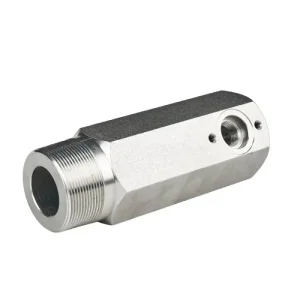
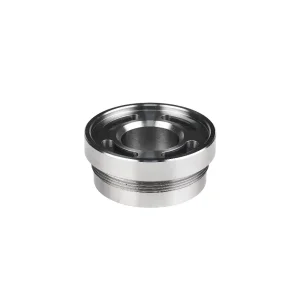
Get in touch with our engineering team today to review your CAD models, request material quotes, or arrange prototype casting trials.
Submit RFQ & Drawings Haochu Machinery