In the contemporary European industrial landscape, finding high-performance components that balance cost-efficiency with uncompromising quality is paramount. Greek enterprises across major industrial centers like Athens, Thessaloniki, and Patras face complex mechanical challenges. Whether it is resisting high-salinity maritime corrosion, managing high-pressure fluid logistics, or meeting the rigorous mechanical stress demands of modernization projects, standard components often fall short.
As a leading engineering developer and precision manufacturer, Ningbo Yinzhou Haochu Machinery Manufacturing Co., Ltd. (operating under HC Machine) leverages over a decade of advanced metallurgical expertise. We specialize in high-precision die casting, silica sol investment casting, and multi-axis CNC machining, ensuring that Greek commercial partners receive specialized structural parts built to survive harsh marine and industrial environments. This whitepaper details our capabilities, explores the local Greek industrial climate, and details why our process configurations offer a vital technological advantage.
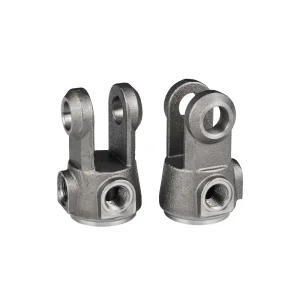
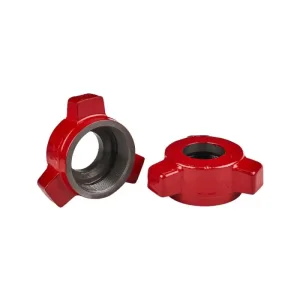
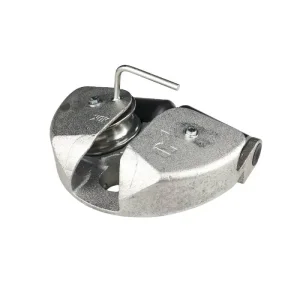
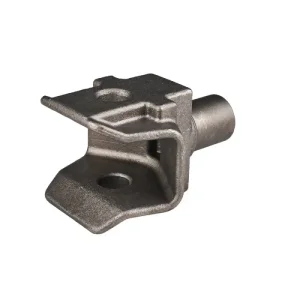
The following represents our core technical portfolio engineered for heavy-duty applications. These top-tier components are custom-tailored to meet the direct specifications of Greek procurement networks.
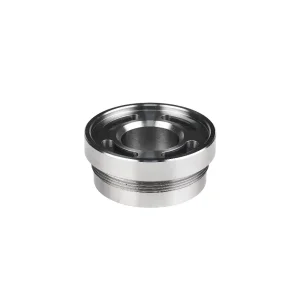
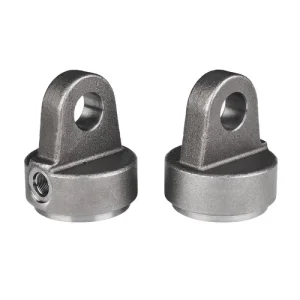
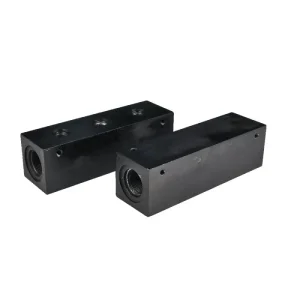
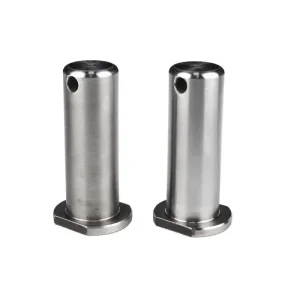
Greece occupies a highly strategic geographic and logistical crossroads linking Europe, Asia, and North Africa. This position has accelerated the modernization of its key domestic sectors. Today, the Hellenic market demands metal casting products that conform strictly to European standards (EN and ISO) while providing optimized unit economics to counter fluctuating energy costs in mainland Europe.
Key industrial corridors—including the Attica basin, Central Greece's metallurgical facilities, and the industrial zones of Thessaloniki—require a steady supply of structural elements. The expanding Greek agricultural network in Thessaly requires exceptionally durable engine parts and mechanical linkages capable of resisting continuous UV exposure, abrasive dust, and variable mechanical loads. Concurrently, the maritime logistics sector centered around the busy port of Piraeus needs robust valve components and forged connections capable of managing seawater lines and fuel pipelines without premature structural failure.
We supply specialized components that fit within these localized paradigms. Our capacity to execute multi-material runs—including lightweight 6061 aluminum alloy for maritime electronic housings and high-strength 45# carbon steel for mechanical linkages—positions us as a versatile manufacturing partner for Greek industrial companies. By integrating our capabilities directly into local supply chains, we help mitigate regional supply disruptions and lower total operating costs.
Ningbo Yinzhou Haochu Machinery Manufacturing Co., Ltd. (established in 2013) is a modern manufacturing enterprise specializing in the research, production, and service of casting and forging technologies. Driven by innovation, the company is committed to delivering high-precision machining solutions for industries such as automotive parts, agricultural machinery, valves, and industrial automation.
Our operational superiority is built upon three foundational pillars:

Using CNC turning and grinding centers, we hold critical dimensions to tolerances as tight as ±0.02mm, ensuring easy assembly of mating parts.
We offer silica sol investment casting, high-pressure die casting, and sand casting processes, allowing us to select the optimal method for your production volume and dimensional requirements.
Our finishing line provides specialized rust prevention, including multi-pass zinc plating, electro-deposition (E-coating), and electrostatic powder painting to withstand coastal conditions.
The global metal casting sector is undergoing a major technological shift, driven by demands for lightweighting, reduced energy footprints, and greater design flexibility. In automotive markets, structural casting alloys are replacing multi-part welded steel assemblies to reduce vehicle mass, lower emissions, and increase EV driving ranges. Simultaneously, automated casting processes are helping reduce micro-porosity and improve the mechanical integrity of structural parts.
From a supply chain perspective, global industrial buyers now prioritize manufacturers that combine high-volume production capabilities with flexible prototyping programs. Standard raw casting is no longer the industry benchmark; today's buyers seek partners capable of delivering ready-to-assemble parts complete with precision post-machining, certified non-destructive testing (NDT), and specialized surface finishes. This comprehensive approach is particularly valuable for import-reliant European economies like Greece, as it simplifies procurement by eliminating the need to manage multiple secondary process vendors.
Aligned with the global shift toward green manufacturing, HC Machine utilizes electric melting furnaces, real-time material recovery systems, and eco-friendly casting sand. By reducing scrap rates and optimizing raw material usage, we lower production costs while helping our European partners meet their corporate sustainability and environmental targets.
Our castings are designed to meet the operating requirements of diverse geographical and commercial environments throughout Greece.
The Greek shipping and coastal transport networks operate in highly corrosive marine conditions. Our silica sol investment cast parts utilize grade-316 stainless steels and treated carbon steels, providing superior resistance to salt pitting and general oxidation in maritime fluid systems.
From Larissa to the fields of Macedonia, agricultural operations demand heavy-duty tractor suspension parts, brackets, and engine pulleys. We utilize alloy steels with customized heat treatments (quenching and tempering) to maximize yield strength and prevent mechanical failure during harvest seasons.
Greece's expanding solar and wind infrastructure requires durable, lightweight mounting brackets and structural supports. Our aluminum high-pressure die castings offer an optimal combination of low weight, dimensional stability, and natural atmospheric corrosion resistance.
At HC Machine, quality management is integrated directly into our production processes. Every manufacturing run is governed by an engineering plan that outlines casting, machining, surface finishing, and quality control steps.
We perform optical emission spectrometry analysis on all incoming metal ingots. Every casting batch is linked back to a chemical analysis report, ensuring that raw material grades (such as LCC alloy steel, 6061 aluminum, or 45# carbon steel) meet international ASTM, EN, and JIS standards.
During casting operations, we monitor mold temperature profiles, pour rates, and cooling curves. Our machining centers utilize coordinate measuring machines (CMM) and digital pneumatic gauges to inspect critical features during production, ensuring consistent dimensions and preventing dimensional drift.
Prior to export packaging, we perform visual inspections on 100% of finished parts. Based on customer requirements, we can conduct non-destructive testing (NDT), including liquid penetrant testing (LPT), magnetic particle inspection (MPI), and ultrasonic testing (UT), to ensure castings are free of sub-surface defects.
Importing components to Mediterranean ports like Piraeus and Thessaloniki requires robust protection against humid, salty ocean air. We package all finished components with vapor corrosion inhibitor (VCI) bags and moisture-absorbing desiccant packs, then pack them in heavy-duty wooden crates to prevent rust or damage during transit.
Explore our full selection of cast, forged, and CNC-machined components, built to withstand demanding industrial applications.
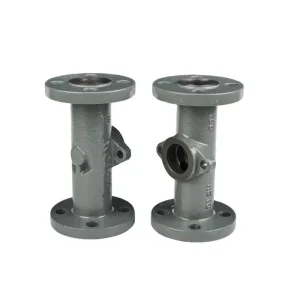
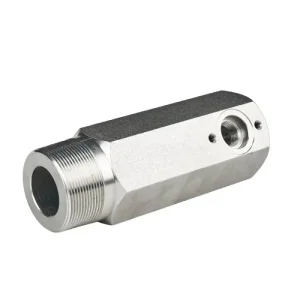
To support our partners in Greece and Southern Europe, HC Machine continues to invest in advanced technology and capability upgrades. Our engineering roadmap focused on the following key areas:
By simulating liquid metal flow paths and solidification characteristics during the mold design stage, our engineers can predict and prevent defects like shrinkage porosity and gas entrapment. This advanced design process helps ensure high structural integrity in critical automotive and high-pressure fluid valves.
For high-integrity structural components, we are implementing high-vacuum die casting technology. By evacuating air from the mold cavity prior to injection, this process reduces internal gas pockets, allowing finished parts to undergo heat treatment and welding without surface blistering or structural compromise.
We continue to reduce the environmental footprint of our operations by using reclaimed sand in our casting lines, optimizing heat recovery from melting systems, and upgrading to low-emission coating facilities. These steps help ensure that our production practices meet the evolving environmental expectations of European Union supply chain networks.
We are adding robotic automation to our high-pressure die casting cells to improve cycle times and dimensional consistency. Additionally, we are installing automated optical inspection (AOI) systems on our post-machining lines to verify critical dimensions on large production batches in real time.
Get answers to common questions about our technical capabilities, quality processes, and shipping procedures to Greece.
We process a wide range of ferrous and non-ferrous alloys to meet diverse application requirements. This includes structural carbon steels (such as 45# steel), high-strength alloy steels (such as LCC steel for pressure valves), and lightweight aluminum alloys (such as 6061 and A380). We verify chemical composition for every melt run using optical emission spectrometry and provide certified material test reports.
For custom engineering and sample development, we can produce prototype castings within 7 to 12 days. This includes tool path design, mold building, sample casting, post-machining, and CMM inspection. Bulk production schedules vary by order volume and part complexity, but typical production runs are completed within 30 to 45 days from design approval.
We control micro-porosity through careful mold design, melt processing, and process controls. We use fluid simulation software to optimize gate and runner configurations, degas the molten metal before pouring, and maintain precise mold temperature control. When zero-porosity performance is required for fluid-handling components like valves, we can perform 100% helium pressure testing or industrial X-ray inspection to verify internal integrity.
Yes. Our manufacturing facility operates under a certified ISO 9001:2015 quality system. Every shipment is supplied with an EN 10204 type 3.1 material test report, which documents chemical composition, tensile strength, yield strength, and hardness. When required for specialized applications, we can also provide CE marking documentation and raw material REACH/RoHS environmental declarations.
We export to all major Greek commercial centers and industrial hubs. Most ocean shipments are routed through the Port of Ningbo directly to the Port of Piraeus or the Port of Thessaloniki, ensuring straightforward customs clearance and transit to your facility. To prevent corrosion from sea salt and humidity during transit, all parts are protected with rust-preventative oil, packed in VCI plastic bags, and secured in heat-treated ISPM-15 compliant wooden shipping crates.
 Haochu Machinery