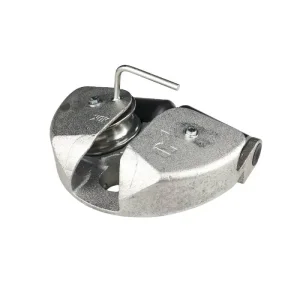
Explore our leading selection of engineered industrial components, customized to strict client tolerances using advanced metallurgy.
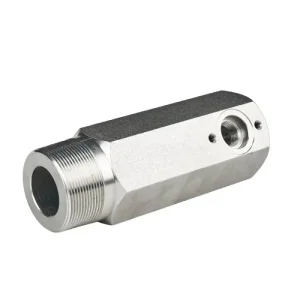
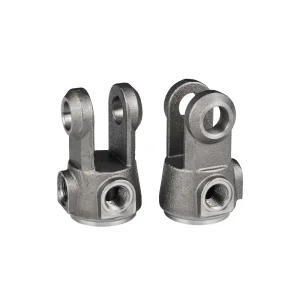
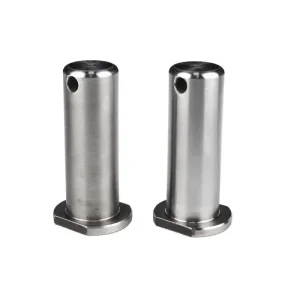
In modern industrial manufacturing, the accuracy of die equipment and the structural integrity of precision castings form the bedrock of operational excellence. As industrial demands transition toward lighter materials, tighter tolerances, and faster speed-to-market cycles, the global manufacturing sector has become highly dependent on consolidated supply chains. China has emerged not just as a high-capacity exporter, but as a core partner in high-end co-engineering.
At Ningbo Yinzhou Haochu Machinery Manufacturing Co., Ltd. (HC MACHINE), established in 2013, we bridge the gap between traditional metallurgical wisdom and next-generation smart manufacturing. Specialized in investment casting (including premium silica sol processes), forging, and heavy-duty CNC finish machining, we support global industries including oil and gas transportation, heavy agricultural machinery, aerospace, automotive, and fluid control with bespoke engineering components.

Our structural capacities translate to direct cost reduction, predictable lead times, and structural reliability for high-integrity components.
The die casting and mold manufacturing sectors are undergoing rapid structural shifts. Keeping pace requires deep investments in material sciences and automated machining.
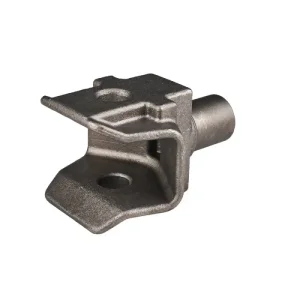
Modern engineering demands minimum post-machining. By employing silica sol investment casting, factories produce complex geometries with excellent surface finishes (Ra 3.2 or better), drastically reducing tooling wear and material scrap rates.
From low-temperature LCC alloy steels designed for severe oilfield service to lightweight 6061 anodized aluminum components for electric machinery, customized physical properties are key to preventing structural failures.
Modern buyers mandate complete dimensional reports. High-speed CNC machining centers paired with Coordinates Measuring Machines (CMM) ensure that critical dimensions are verified against CAD models with sub-micron reliability.
Procuring die equipment and casting accessories across borders carries hidden quality and logistical risks. Here is how we mitigate them under our strict ISO 9001:2015 and dynamic QA protocols.
For industrial procurement directors, the priority is to minimize the "Cost of Poor Quality" (COPQ). When sourcing components like LCC alloy valves or custom forged steel unions, a failure in the field can halt operations and incur massive liabilities. As a leading manufacturer, HC Machine resolves these friction points via:
We design, cast, machine, and finish components to meet specialized environmental hazards. Our product groups serve several distinct macro-industries:
Heavy tractors and crop harvesters require parts that resist soil abrasion and shock loading. We provide high-strength alloy steel tractor accessories and lightweight 6061-T6 aluminum components processed with wear-resistant anodizing to extend equipment life spans.
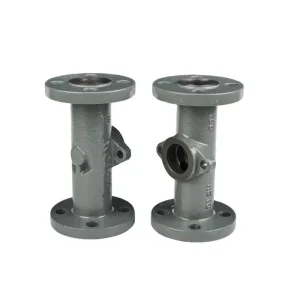
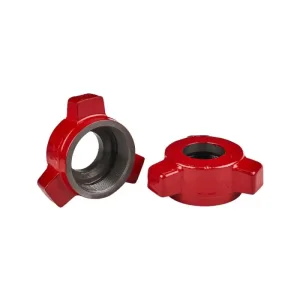
Corrosive flow media require highly reliable pressure-retaining components. Our LCC alloy steel oil valves and forged pipeline unions undergo 100% helium leakage or hydrostatic tests to guarantee zero emissions at high pressures.
With the rise of lightweight vehicle structural parts, our composite casting molds and high-tolerance ground CNC components provide EV manufacturers with excellent structural components, complete with E-coating protection.
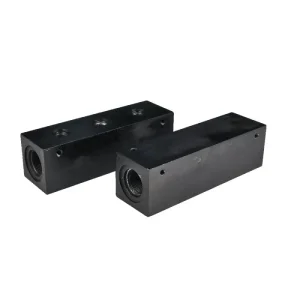
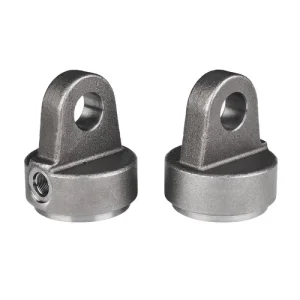
From hydraulic cylinder components to specialized hydraulic joints, our premium silica sol casting process produces structural machinery components capable of withstanding continuous cycle loads.
Our integrated production flow enables us to manage every critical variable of the component manufacturing lifecycle.
Our workforce is structured for technical quality. Our engineering division represents 30% of total headcounts, backed by 10 senior inspectors with certified testing credentials. The quality control process is organized into a three-level inspection loop: operator self-inspections, process audits during active CNC routing, and a final metrology run using CMMs and optical comparators.
Sourcing tooling or castings shouldn't take months. Our prototype shop delivers functional metal prototypes in 7 to 12 days. By utilizing multi-cavity modular tooling designs, we allow clients to validate design revisions across multiple materials simultaneously, saving thousands in development costs.
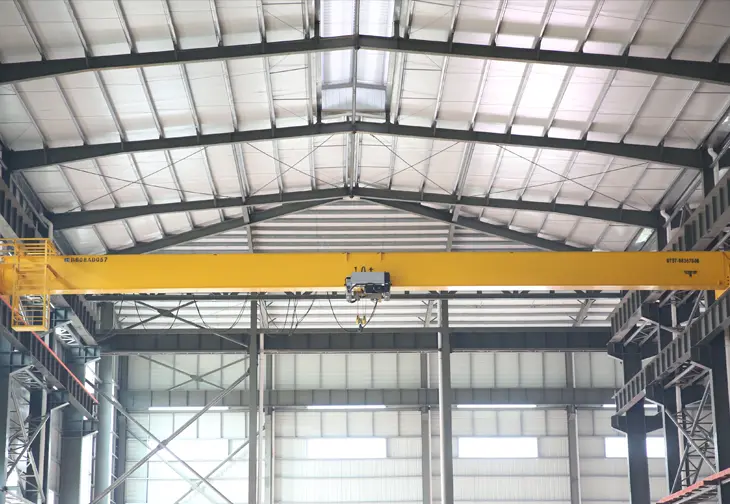
How HAOCHU is shaping the next decade of casting and die manufacturing through sustainable, digitised workflows.
Deploying smart shop floor tracking systems with integrated barcode identification on individual parts to record casting parameters, cooling cycles, and heat treatment data.
Reducing absolute energy consumption per ton cast by upgrading to state-of-the-art induction furnaces, and recycling up to 98% of sand and silica sol binders in closed-loop systems.
Deploying automated loading arms for CNC centers and machine-vision visual inspections to achieve near-zero defects across high-volume production series.
Navigating international supply chains requires a thorough understanding of compliance standards and intellectual property protection. To protect our partners, HC Machine maintains strict protocols:

Get technical answers to the most common questions regarding casting capabilities, materials, and processes.
Explore our highly requested precision components shipped directly to global OEM assemblers and distributors.
 Haochu Machinery