Explore our custom metallurgical components engineered with dimensional accuracy down to ±0.02mm, providing superior mechanical properties and wear resistance.
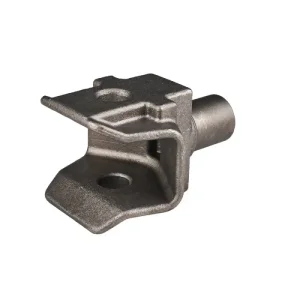
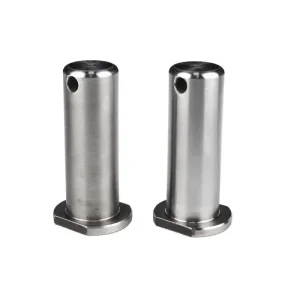
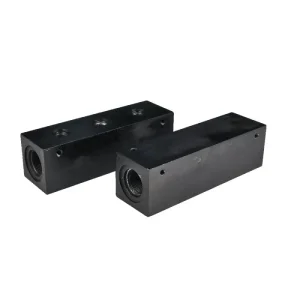
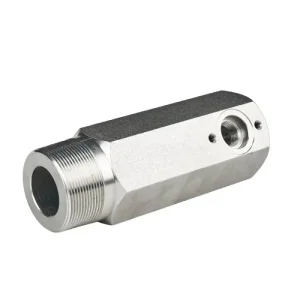
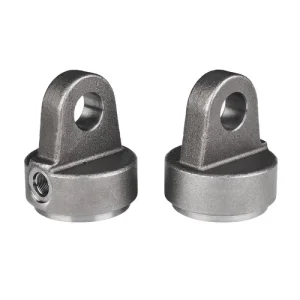
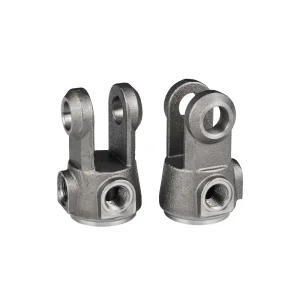
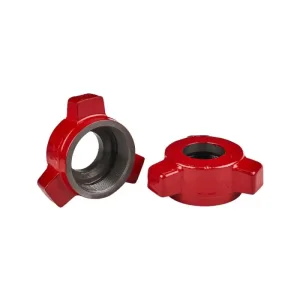
Investment casting, particularly through the premium Silica Sol process, is the backbone of high-integrity metallic components worldwide. China has transitioned from a high-volume manufacturing center to a global powerhouse in metallurgical engineering and additive-enhanced mold techniques. The integration of advanced computational fluid dynamics (CFD) for mold flow analysis alongside precise temperature-controlled dewaxing autoclaves has positioned Chinese suppliers at the absolute peak of international quality standards.
By using modern, automated robotic dipping lines for investment shell building, Chinese manufacturers achieve a level of shell layer uniformity that virtually eliminates casting defects such as inclusion, gas porosity, and hot tears. This structural integrity is vital for stress-concentrated components utilized in hydraulic cylinders, oil pipelines, and heavy automotive systems.
Unlike water glass casting processes, the silica sol method offers significantly tighter dimensional tolerances (conforming to ISO 8062 CT4 to CT6 standards) and eliminates potential sodium contamination within the casting surface layer. This ensures that valves and oil field connectors operate seamlessly under high-pressure, corrosive conditions without risking stress-corrosion cracking.

Established in 2013, Ningbo Yinzhou Haochu Machinery Manufacturing Co., Ltd. (HC Machine) has evolved into a premier modern manufacturing enterprise specializing in the research, engineering development, and professional production of high-precision casting and forging technologies.
Strategically situated in Ningbo's industrial cluster, we leverage state-of-the-art technological pipelines to supply high-tolerance CNC-machined components. Our focus spans high-reliability automotive parts, structural agricultural machinery elements, oil and gas valves, and customized industrial automation solutions.
Our capabilities encompass a wide spectrum of materials engineered to survive in harsh operating environments. Reference our manufacturing configuration table below.
| Material Family | Common Industry Standards | Key Machining Technologies | Primary Industrial Applications |
|---|---|---|---|
| Alloy Steel | LCC, LCB, WC6, WC9, 8620, 4140 | CNC Turning, High-Tolerance Grinding, Carburizing | Oil & Gas Valves, High-Stress Tractor Accessories, Structural Pins |
| Carbon Steel | AISI 1045, WCB, Grade 60-30 | CNC Milling, Zinc Plating, E-Coating, Induction Hardening | Automotive Suspension Arms, Custom Bracket Assemblies, Gear Housings |
| Aluminum Alloys | 6061-T6, A356, A380 | High-Speed CNC Milling, Anodizing, Bead Blasting | Agricultural Machinery Components, Lightweight Automation Brackets |
| Stainless Steel | 304, 316, 316L, 17-4 PH, Duplex 2205 | Passivation, Electro-Polishing, Thread Tapping (UNC/Metric) | Chemical Pipelines, High-Corrosion Valve Castings, Marine Equipment |
We supply components to demanding markets that require absolute fatigue resistance and dimensional consistency.
Delivering high-precision chassis brackets, engine mounts, and customized suspension joints with protective E-coatings designed to exceed 200 hours of salt spray testing.
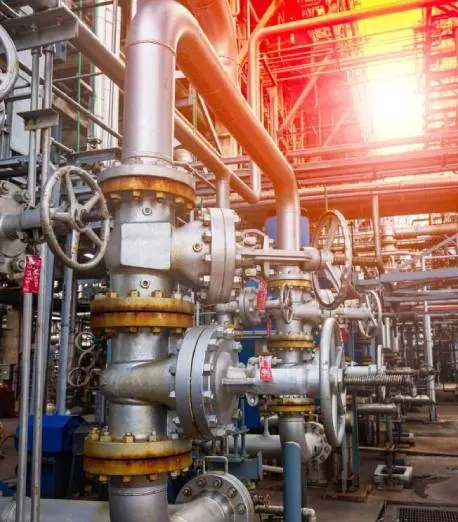
Producing LCC alloy valves, pipeline connectors, and forged steel unions utilizing precise 2" UNC threads to guarantee leak-proof sealing under extreme pressure ratings.
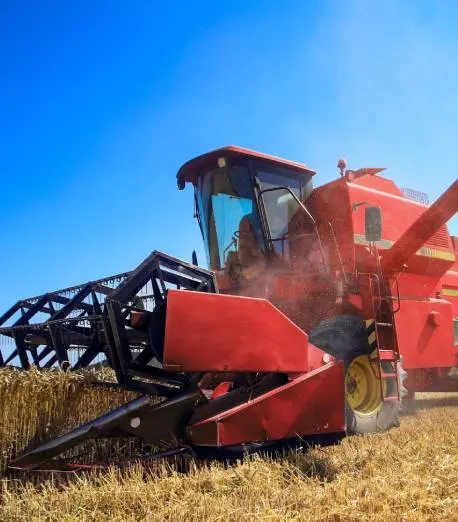
Forging and casting wear-resistant components from 6061 Aluminum and high-strength structural carbon steels for harvesters, tractors, and tilling implements.
Today’s international supply chain managers face volatile shipping landscapes and stringent quality standard requirements. The strategic priority has shifted from simply seeking low costs to establishing partners capable of offering Information Gain and comprehensive traceability.
Ningbo Yinzhou Haochu Machinery meets this challenge by providing direct access to raw material spectrometry verification, CMM dimensional analysis, and digital production milestone tracking. Our clients operate with the confidence that each batch matches their custom CAD models precisely.
Read technical insights prepared by our engineering department regarding casting specifications, tolerances, and processing steps.
Silica Sol casting uses a high-purity silica sol binder for the ceramic shell, resulting in excellent dimensional tolerance (ISO 8062 CT4-CT6) and surface finish (Ra 1.6-3.2). Water Glass casting is more cost-effective but delivers broader tolerances (CT7-CT9) and a rougher surface finish (Ra 6.3-12.5), making silica sol ideal for complex precision automotive and valve parts.
For raw investment castings, we conform to linear tolerances within ISO 8062-3 CT5 to CT6. Following CNC post-machining at our facility, we consistently hold critical operational tolerances to ±0.02mm, ensuring perfect assembly fits for high-tolerance grinding components.
We perform optical emission spectrometry (OES) analysis on every molten metal heat prior to pouring. Customers receive certified material test reports (MTRs) detailing the exact chemical composition, along with tensile testing and hardness metrics if requested.
We mitigate porosity risk by executing 3D mold-flow simulations prior to tooling fabrication. During production, we control pouring temperatures within a tight ±10°C window and utilize professional degasifiers and slag removers in the induction melting furnace.
We provide a comprehensive range of in-house and audited partner finishing operations. This includes anti-rust zinc plating, hot-dip galvanizing, chemical passivation, electro-polishing, chrome plating, powder coating, and automotive-grade E-coating (electrophoretic deposition).
Yes. We understand that machinery automation and customized equipment manufacturers require flexible batch sizing. We accept low MOQ runs alongside high-volume OEM automotive production lines, supporting long-term scale growth.
Browse through our expanded inventory of heavy-duty tractor accessories, automotive components, and pipeline assemblies.
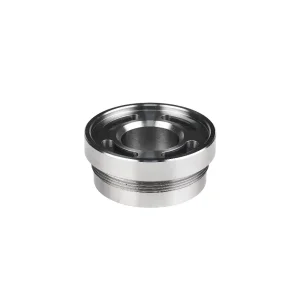
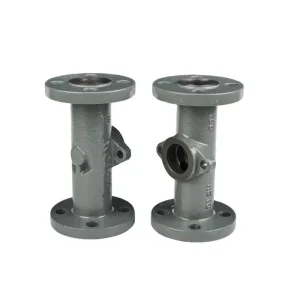
 Haochu Machinery