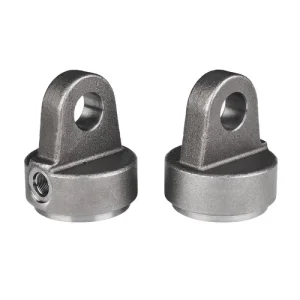
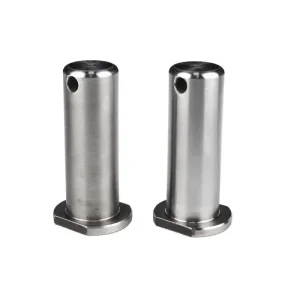
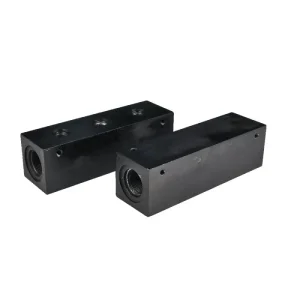
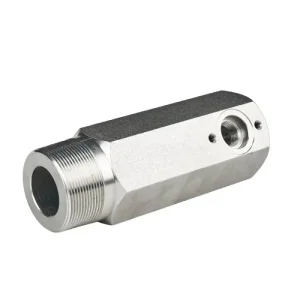
As the global industrial landscape pivots toward the UN Sustainable Development Goals (SDGs) and the 2050 Net-Zero target, China's forging industry is undergoing a paradigm shift. Moving beyond traditional energy-intensive methods, leading manufacturers like Ningbo Yinzhou Haochu Machinery Manufacturing Co., Ltd. are pioneering "Low-Carbon Forging Technologies." This transition is not merely a regulatory compliance check but a strategic advantage for global procurement officers seeking to mitigate Scope 3 emissions and avoid the financial impact of the Carbon Border Adjustment Mechanism (CBAM).
Modern low-carbon forging integrates Digital Twin technology, Electric Induction Heating, and Near-Net-Shape (NNS) manufacturing to maximize material utilization and minimize the carbon footprint of every component. By reducing flash and secondary machining, we achieve up to a 30% reduction in energy consumption compared to traditional gas-fired forging methods.
Utilizing high-frequency induction heating to ensure uniform metallurgical properties while drastically reducing heat loss. Our ISO 9001-certified processes ensure 0.02mm machining accuracy for high-stress automotive and hydraulic components.
We source raw materials from suppliers committed to circular economy principles. Our scrap recycling rate exceeds 98%, ensuring that metal waste is re-processed into high-grade industrial feedstock.
Real-time energy monitoring systems track the carbon intensity of each production batch. We provide clients with detailed LCA (Life Cycle Assessment) data to support their corporate sustainability reporting.
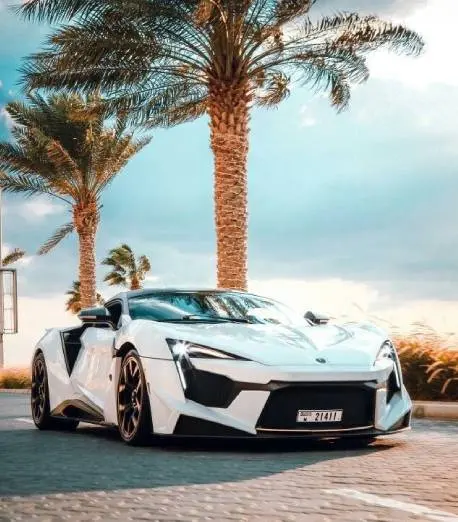
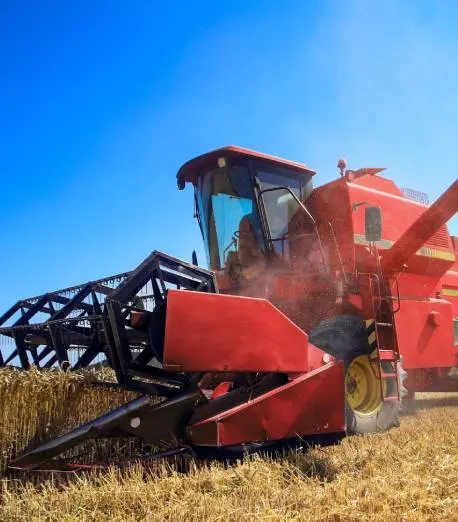
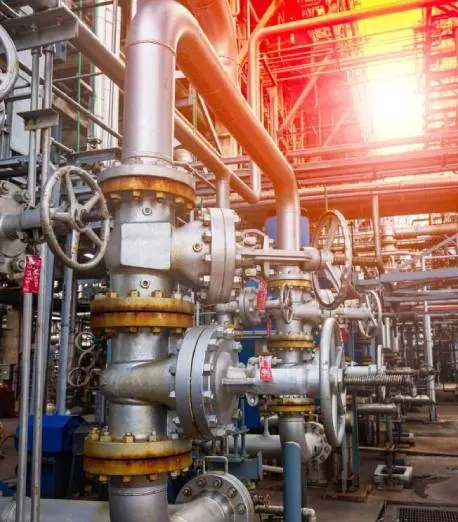
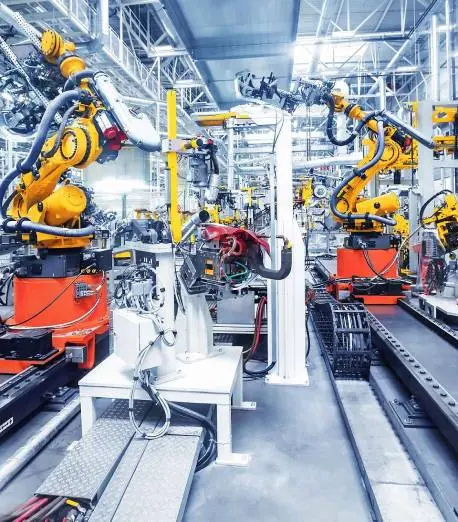
Ningbo Yinzhou Haochu Machinery Manufacturing Co., Ltd. (established in 2013) is a modern manufacturing enterprise specializing in the research, production, and service of casting and forging technologies. Driven by innovation, the company is committed to delivering high-precision machining solutions for industries such as automotive parts, agricultural machinery, valves, and industrial automation.
With technology as our backbone and responsibility as our soul, we strive to illuminate the global stage with China’s intelligent manufacturing excellence. HC MACHINE stands as a pillar of reliability in the high-precision casting field.

The rise of Electric Vehicles (EVs) demands stronger, lighter forged components. Our aluminum alloy 6061 forging techniques provide the high strength-to-weight ratio needed to extend battery range without compromising structural integrity.
By achieving geometries closer to the final part design during the initial forge, we eliminate energy-intensive CNC milling hours, reducing total manufacturing lead times by up to 25%.
We help global partners navigate trade barriers by maintaining rigorous compliance with international standards, including ASTM, DIN, and JIS, alongside localized technical support for Western markets.
The company excels through three key strengths: a skilled team with 30% technical staff and 10 senior inspectors ensuring 99.5%+ product qualification via end-to-end quality control.
40 modern machines (CNC lathes, machining centers) and CMMs enabling high-precision production. Annual capacity exceeds RMB 30M, meeting strict global precision requirements.
ISO 9001-certified, with a three-level inspection process, ensuring reliable product quality and fostering trust with renowned domestic and international clients.
By 2030, HC MACHINE aims to achieve a 50% reduction in total factory carbon emissions. Our roadmap includes:
 Haochu Machinery