Established in 2013: A Decades of Precision Engineering
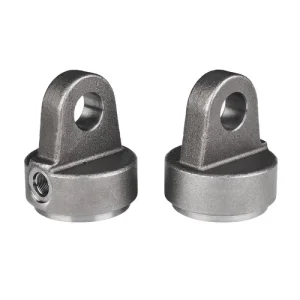
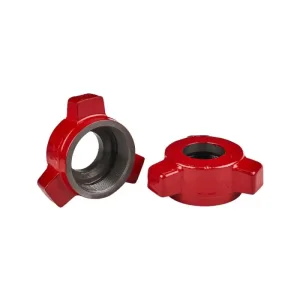
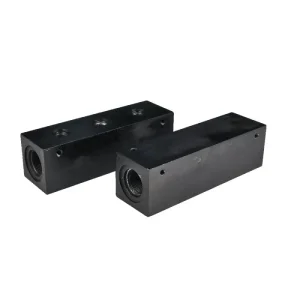
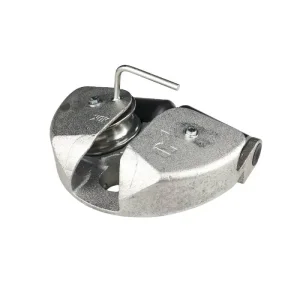
Ningbo Yinzhou Haochu Machinery Manufacturing Co., Ltd. is a modern manufacturing enterprise specializing in the research, production, and service of casting and forging technologies. Driven by innovation, the company is committed to delivering high-precision machining solutions for industries such as automotive parts, agricultural machinery, valves, and industrial automation.
Three-tier inspection ensuring 99.5%+ qualification.
7-12 days for high-precision proofing and sampling.

The global agricultural machinery market is undergoing a seismic shift towards automation, heavy-duty performance, and extreme durability. As tractor manufacturers across North America, Europe, and India scale their operations, the demand for "zero-defect" tractor machinery parts machining has surged. Modern tractors are no longer just mechanical beasts; they are sophisticated mobile computers requiring components that can withstand corrosive fertilizers, extreme soil friction, and high-torque engine environments.
Globally, the tractor parts sector is valued at billions, with a transition from traditional sand casting to Precision Silica Sol Casting and Multi-Axis CNC Machining. This technological evolution ensures that tractors maintain uptime during critical harvesting windows, where a single component failure can cost a farm thousands of dollars per hour.
Why do global OEMs turn to China for tractor machinery parts machining? The answer lies in the "Haochu Efficiency Model." Unlike traditional factories, modern Chinese suppliers integrate the entire supply chain—from raw material forging and casting to advanced surface treatments like Zinc Plating and Phosphating—within a single industrial hub.
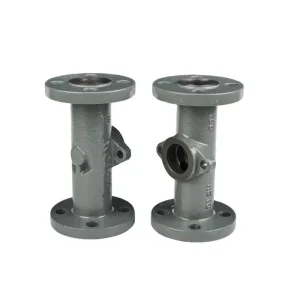
Ideal for intricate tractor accessories and valves. This process provides dimensional accuracy that sand casting cannot match, ensuring perfect fitment for hydraulic systems.
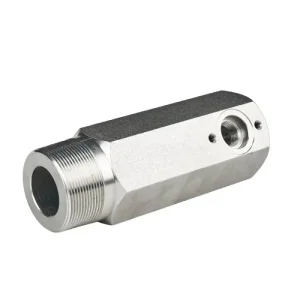
Our 0.02mm tolerance levels are essential for drive shaft components and gearbox assemblies where friction must be minimized to enhance fuel efficiency.
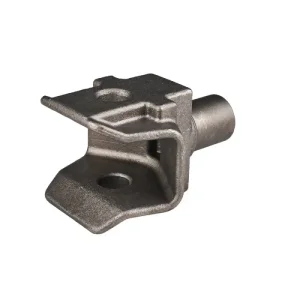
Specialized Zinc Plating and Powder Coating tailored for agricultural equipment exposed to outdoor elements, preventing structural degradation over time.
Tractor machinery parts must be adapted to local conditions. For instance, parts destined for the Midwestern United States must handle high-speed, large-acreage farming, requiring high-strength alloy steels. Conversely, components for Southeast Asian rice paddies require superior anti-corrosive properties due to water-logged environments.
Haochu Machinery specializes in material science, offering 6061 Aluminum CNC components for weight reduction in modern electric tractors and LCC Alloy Steel for high-pressure oil valves in heavy-duty hydraulic lifting systems.
The "Smart Farming" revolution is driving the need for smarter components. We are seeing a trend toward integrated sensors within forged parts to monitor stress levels. Additionally, "Green Manufacturing" is no longer optional. Our ISO-certified processes focus on reducing waste during the casting phase, aligning with the sustainability goals of Tier 1 global agricultural brands.
When sourcing tractor machinery parts from China, global procurement officers should prioritize:
A: Silica Sol casting offers a much smoother surface finish and tighter tolerances than traditional sand casting. For tractor parts, this means less wear on seals, better aesthetic quality, and significantly reduced assembly time due to precise fitment.
A: We use high-performance LCC alloy steels and specialized surface treatments like phosphating and zinc plating. Each batch undergoes rigorous testing to simulate high-stress and corrosive environments before shipping.
A: Yes. We are a Low MOQ (Minimum Order Quantity) customized manufacturer. We understand that specialized agricultural equipment often requires small batches of high-precision parts, and our CNC facility is optimized for this flexibility.
A: For sampling and proofing, it takes 7-12 days. For mass production, lead times typically range from 3-5 weeks depending on the complexity and volume, ensuring a balance between speed and precision.
 Haochu Machinery