Explore our premium grade investment casting solutions, manufactured with tight tolerances and exceptional surface integrity for worldwide engineering applications.
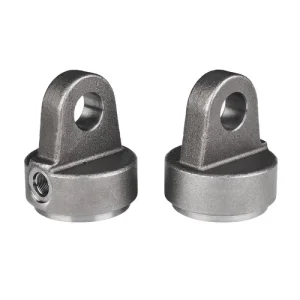
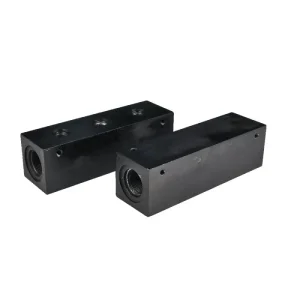
An in-depth analysis of how rapid wax prototyping and high-fidelity metallurgical processes are reforming early-stage product development for heavy engineering globally.
In modern global manufacturing ecosystems, high-value components must achieve rapid proof-of-concept testing without compromising final metallurgical performance. Historically, design engineers faced a trade-off: either machine prototypes directly from solid stock—which yields mismatched grain flow structures compared to eventual mass castings—or invest tens of thousands of dollars in high-pressure tooling molds with leads of 8-12 weeks.
Prototype Investment Casting (often called lost wax casting prototyping) bridges this structural gap. Utilizing additive manufacturing processes (such as Stereolithography [SLA] wax printing or Selective Laser Sintering [SLS] polystyrene patterns), modern factories bypass physical steel tooling completely. This enables the direct production of net-shape alloy castings with internal geometries, draft angles, and cooling channels that mimic serial production characteristics.
From Tier-1 automotive systems providers to agricultural equipment designers, multinational companies require physical metal prototypes for destructive physical analysis (DPA), fatigue testing, and flow dynamics evaluation.
"According to industry statistics, integration of additive-driven investment casting processes reduces design-validation lead times by up to 75% and limits initial engineering R&D expenditures to a fraction of traditional methods."
By relying on advanced suppliers who offer combined metallurgy and post-cast CNC machining, global procurement officers can secure functional mechanical components in days rather than months.
Forging high reliability through precision dimensional tolerance control and certified materials processing.
Uncovering the supply chain density, engineering expertise, and economic benefits of selecting Ningbo-based manufacturers.
The Chinese casting capital, Ningbo, offers an unparalleled regional network of material supply houses, specialized thermal treatment shops, surface coatings experts, and direct port access. For prototype casting projects, this integration is critical. The physical close proximity between foundry stages, CNC machine shops, and metal testing laboratories eliminates logistics delays.
While a European or US-based foundry might wait weeks for certified alloy materials or outsourced heat treatment, Chinese manufacturers execute these sub-processes within a 20-mile radius. This enables rapid adjustments, rapid metallurgical analysis, and quick iterations during design revisions.
Unlike water-glass casting, which produces rougher surface finishes and wider tolerances, premier Chinese factories specialize in Silica Sol Investment Casting.
This ensures that even the earliest prototype replicates the dimensional integrity and finish required by aerospace, automotive, and high-performance valve systems.
Ningbo Yinzhou Haochu Machinery Manufacturing Co., Ltd.
Established in 2013, Ningbo Yinzhou Haochu Machinery Manufacturing Co., Ltd. is a modern manufacturing enterprise specializing in the research, production, and service of casting and forging technologies. Driven by innovation, the company is committed to delivering high-precision machining solutions for industries such as automotive parts, agricultural machinery, valves, and industrial automation.
By integrating advanced engineering workflows with rigorous quality methodologies, we ensure our global partners receive component prototypes that adhere to their exact material specifications and mechanical requirements.

Combining industrial metallurgy, rapid tooling, and rigorous coordinate inspection to deliver high performance components.
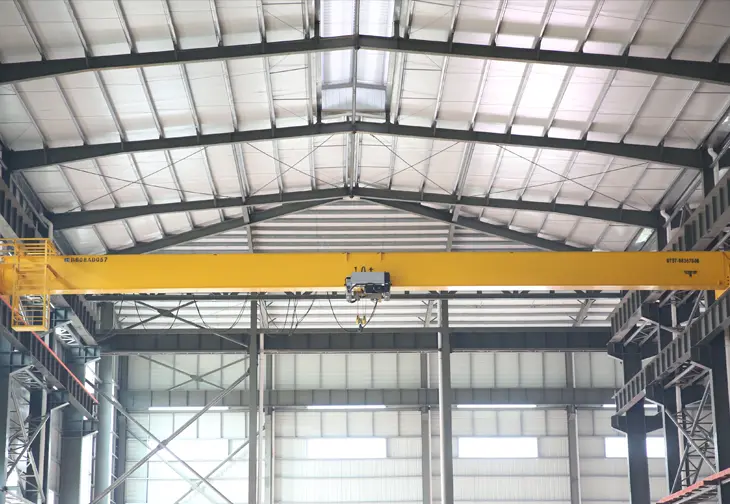
Our dedicated QA division works alongside production to ensure every prototype conforms directly to physical print dimensions and ISO requirements.
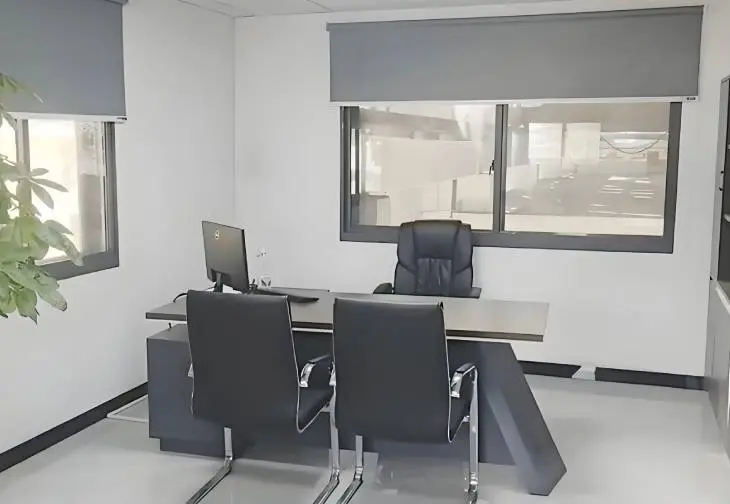
A robust, triple-check quality framework governs everything from raw material spectrographic analysis to final dimensional reporting.

Multi-axis tooling machinery enables us to perform critical secondary boring, thread-milling, and surface finishes on cast blanks.
Empowering demanding industries globally with smarter, highly reliable prototype and custom casting solutions.

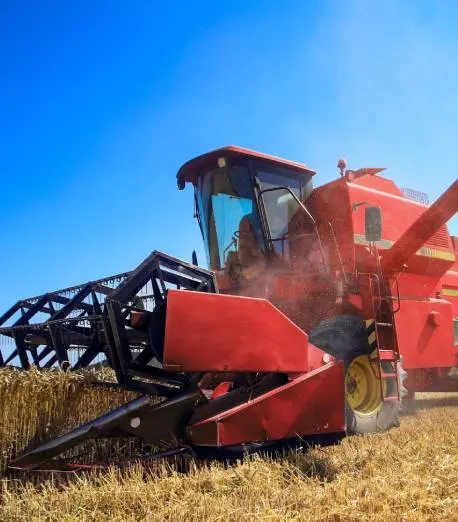
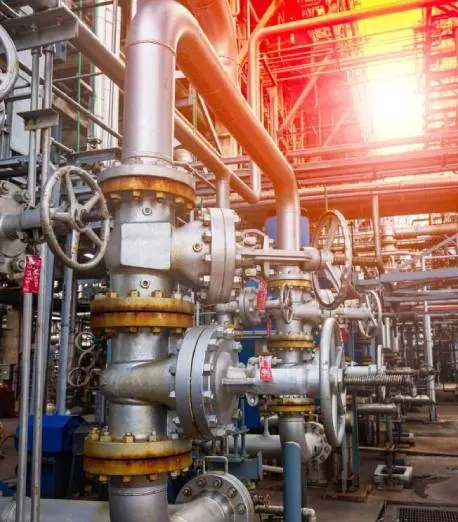
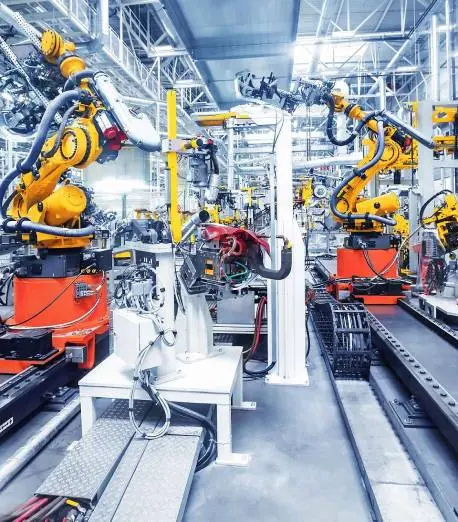
A detailed technical review of mechanical specifications, tooling considerations, and process methodologies.
Critical casting prototypes require strict adherence to chemical specifications. Sourcing from HAOCHU ensures verification of material parameters via optical emission spectrometry. Whether your design specifies low-temperature carbon steel (like ASTM A352 LCC for oil valves), structural carbon steel (like AISI 1045 for automotive components), or aerospace-grade aluminum (6061-T6), the casting must show zero internal micro-porosity.
During prototype solidification, thermal analysis software simulates potential hot spots or shrinkage areas. Adjusting riser placements and gating configurations on initial digital designs eliminates defects before physical metal pouring occurs.
While silica sol investment casting yields thin walls and tight tolerances, critical fits demand post-cast CNC machining. Haochu integrates casting and finishing inside a single facility:
This closed loop removes errors that happen when transfering cast parts to separate machine shops. Cast parts are located and held securely on custom fixtures to achieve 0.02mm machining tolerances on bores, threads, and sealing mating faces.
| Process Feature | Silica Sol Casting | Water Glass Casting |
|---|---|---|
| Surface Finish | Ra 3.2 - 6.3 μm | Ra 12.5 - 25 μm |
| Standard Tolerance | ISO 8062 CT4 - CT6 | ISO 8062 CT7 - CT9 |
| Complex Wall Capability | Excellent (to 1.5mm) | Moderate (to 4.0mm) |
| Primary Material Suitability | Alloy Steel, Stainless, Al | Carbon Steel, Ductile Iron |
By utilizing the silica sol process, our prototypes deliver the exact tactile and mechanical performance that end clients require, ensuring success during field trials.
A closer look at some of our engineering successes in oil-valve castings, agricultural hardware, and automotive parts.
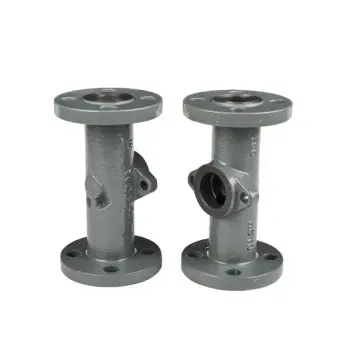
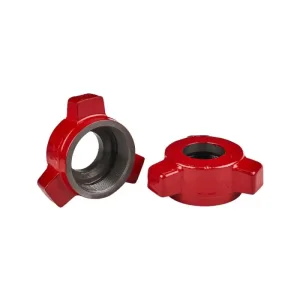
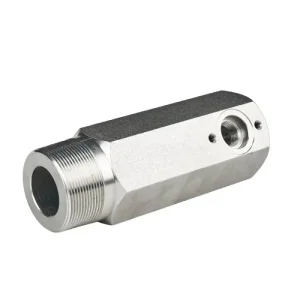
Cast via Silica Sol methods and precision ground to secure tight sealing alignments under low temperature and high pressure.
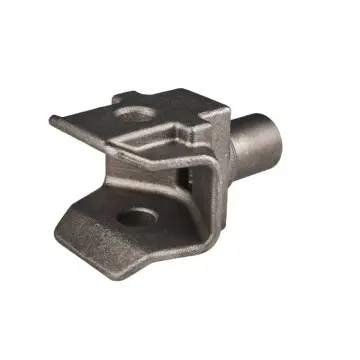
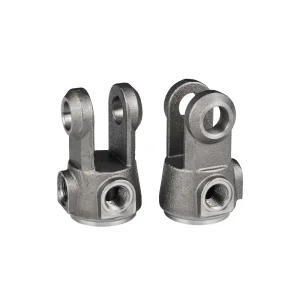
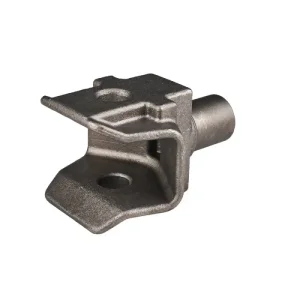
High fatigue strength structural parts optimized to resist harsh mechanical impact in severe agricultural environments.
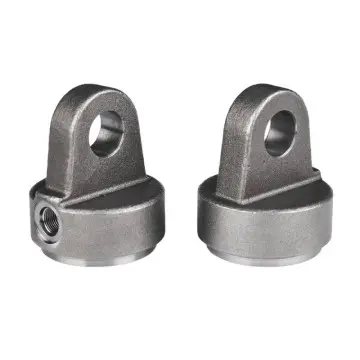
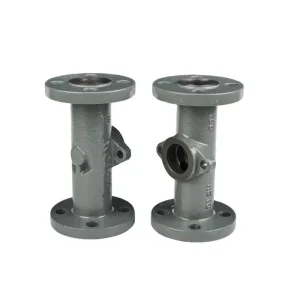
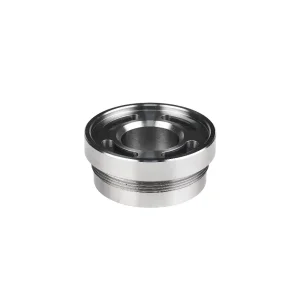
Intricate geometries cast directly with minimal machining allowance, lowering processing waste and total cycle times.
How to minimize development risks, protect intellectual property, and maximize value when sourcing prototype parts.
When ordering prototype investment castings, first determine the production run quantity. If your team requires fewer than 50 pieces for initial mechanical assembly validation, request a tool-less, SLA 3D-printed pattern process. For runs exceeding 200 units, ordering high-quality aluminum tooling is more economical. This balances setup speeds with unit cost.
Quality expectations must be clarified early in the design stage. Sourcing managers should document their required NDT standards, including:
Machined casting surfaces often require post-process surface protection. Sourcing managers must verify that the chosen Chinese foundry can manage these post-machining treatments internally or via certified local suppliers:
Managing these processes under a single production umbrella ensures consistent dimensional compliance across all parts.
Addressing key engineering, procurement, and logistical queries regarding custom prototype investment casting.
For tool-less prototype castings utilizing 3D-printed SLA patterns, standard lead times range from 7 to 12 days. If soft aluminum or hard steel tooling is required for pre-series validation, lead times typically span 3 to 4 weeks, including mold fabrication, wax injection, ceramic shell preparation, casting, and final CNC machining.
Silica sol casting utilizes high-grade zircon sand slurry, yielding a smooth surface finish (Ra 3.2-6.3 μm) and superior dimensional tolerances (ISO 8062 CT4-CT6). Water glass casting uses quartz sand, which is less expensive but produces a rougher finish (Ra 12.5-25 μm) and lower dimensional control, making it less suitable for high-tolerance, thin-walled prototype applications.
Yes. While the raw casting process achieves standard net-shape tolerances, secondary CNC machining (using our 40-unit fleet of lathes and machining centers) allows us to target critical mating surfaces and threaded bores with accuracy down to 0.02mm, verified on our CMM equipment.
We cast a wide range of materials, including carbon steels (e.g., 45# steel), low-temperature alloy steels (e.g., LCC), stainless steels, and light aluminum alloys (e.g., 6061 aluminum). Every heat batch is verified via optical emission spectrometers to guarantee metallurgical compliance.
Premium OEM solutions engineered for reliable performance in automotive, agriculture, and high-pressure flow control systems.
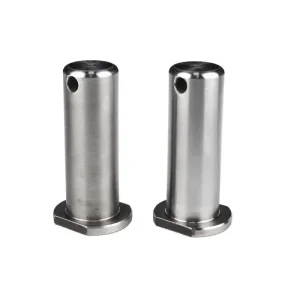
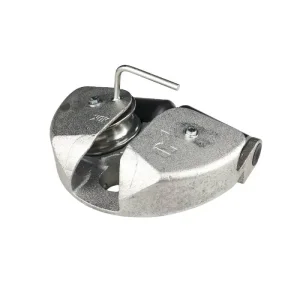
Get in touch with Ningbo Yinzhou Haochu Machinery Manufacturing Co., Ltd. for engineering feedback, rapid casting quotes, and metallurgical analysis.
Request a Rapid Quotation Haochu Machinery