Explore our industrial grade solutions, customized for critical automotive, agricultural, valve and machinery assemblies.
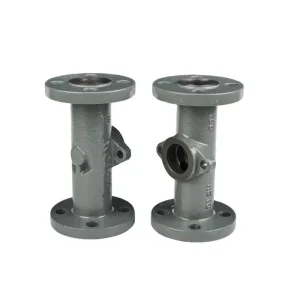
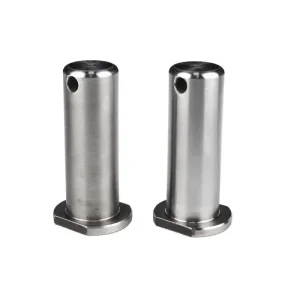
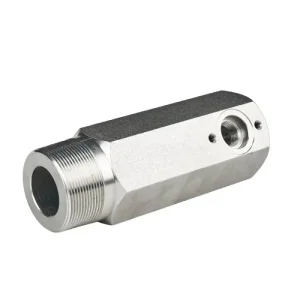
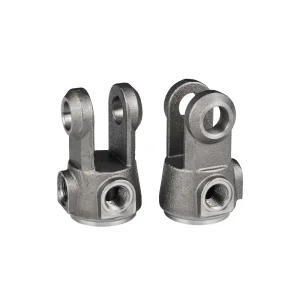
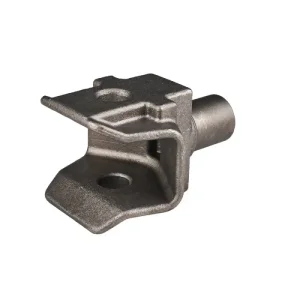
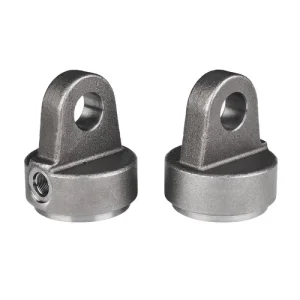
In modern industrial manufacturing, casting remains the bedrock for producing complex, high-strength structures. As mechanical systems grow more advanced, the demand for precision-engineered components has escalated. Procurement departments globally face intense pressure to source components that achieve the optimal balance between high performance, longevity, and structural safety.
Selecting a top-tier Wholesale Casting Part Design Supplier is not merely a purchasing transaction; it is a critical strategic partnership. Advanced metal casting requires complex scientific evaluation, including metallurgical choice, computational fluid dynamics (CFD) optimization, and strict control of shrinkage rates. The global B2B procurement sector is shifting towards partners who can deliver ready-for-manufacturing designs, reducing lead times and ensuring zero-defect production.
By using modern simulation software alongside experienced manufacturing processes, leading suppliers can optimize gating layouts and reduce weight without sacrificing strength. This scientific approach helps decrease overall material consumption and minimizes post-cast machining steps, directly translating to lower costs for global supply chains.

A deep look into the structural rules and casting techniques that prevent defects and ensure structural integrity.
Varying wall thickness can cause hot spots and stress cracks during cooling. Designing gradual wall transitions helps maintain uniform cooling. Integrating proper draft angles (1° to 2° for silica sol molds) prevents damage to the pattern during removal.
Using finite element analysis (FEA), our casting engineers calculate solidification paths to identify areas prone to shrinkage porosity. By placing risers and chill blocks strategically, we ensure directional solidification, resulting in dense, defect-free interior structures.
Choosing the correct alloy is key to successful design. Materials like LCC alloy steel offer high tensile strength and low-temperature impact resistance, while 6061 aluminum provides excellent lightweight performance and fluid flow inside the mold.
A well-optimized design directly improves casting yields. In contrast, poorly planned geometries often lead to internal air pockets, cold shuts, and surface cracks. This makes it crucial to work with a supplier that understands tool construction and structural limitations before building the final mold pattern.
A modern manufacturing enterprise dedicated to high-precision casting and forging technologies.
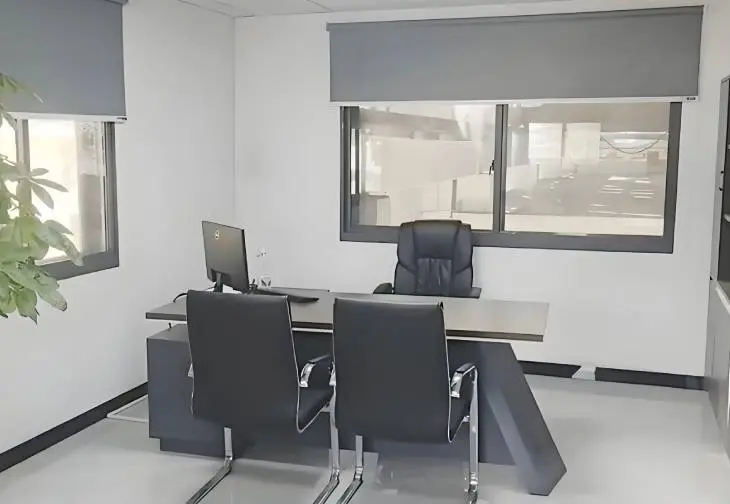
Established in 2013, Ningbo Yinzhou Haochu Machinery Manufacturing Co., Ltd. (HC MACHINE) is a modern manufacturing enterprise specializing in the research, production, and service of casting and forging technologies. Driven by innovation, the company is committed to delivering high-precision machining solutions for industries such as automotive parts, agricultural machinery, valves, and industrial automation.
Our core philosophy, "Precision Crafts Quality, Innovation Defines the Future," drives our operations and shapes our global supply chain partnerships. We aim to set a world-class benchmark in machinery manufacturing by integrating advanced research and development with scalable production and dedicated customer service.
With an production area equipped with 40 modern machines (including advanced CNC lathes, high-speed machining centers, and automated milling units) and high-precision Coordinate Measuring Machines (CMM), we support a robust annual production capacity of over RMB 30 Million. Over the last 12 years, we have built a reputation for reliability, serving domestic and international markets with high-precision components.
Providing custom casting components built to high standards and tight tolerances.
Our engineers use spectrometer testing to confirm the chemistry of each melt, ensuring trace element levels meet strict global alloy standards.
We offer rapid prototyping, supporting multiple sizes and casting processes simultaneously to deliver first-article inspections within 7 to 12 days.
Custom precision castings designed for high-stress applications across global industries.

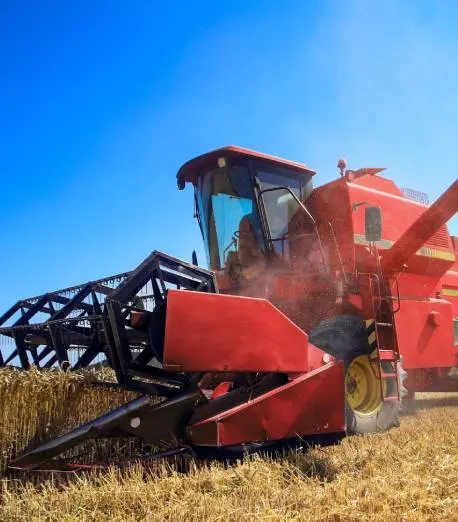
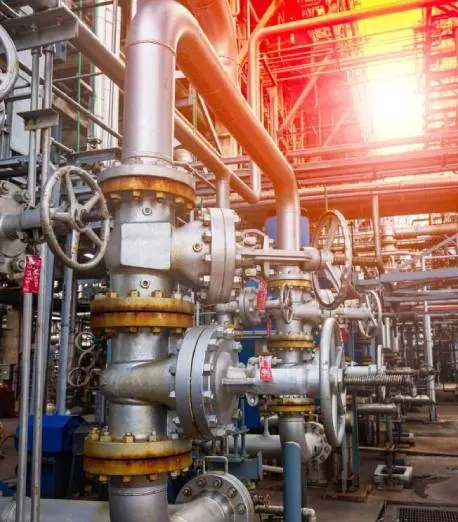
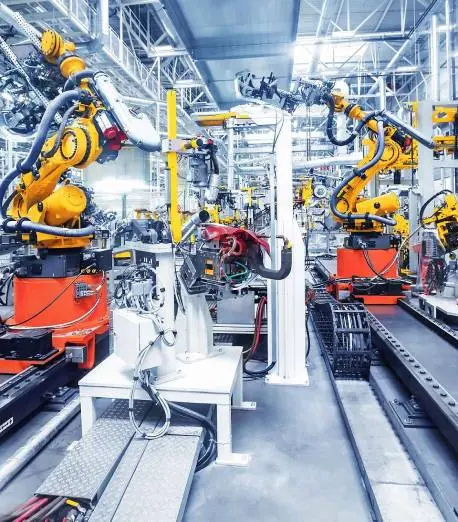
Heavy machinery and pipeline networks require components that can withstand extreme mechanical loads and environmental conditions. For instance, LCC alloy steel oil valves must operate reliably at low temperatures without brittle fracture. Similarly, agricultural tractor accessories need excellent fatigue life and impact resistance to handle rough field conditions.
By using processes like silica sol investment casting, we produce components with smooth surfaces and detailed internal pathways. This reduces the need for expensive secondary machining and ensures clean fluid paths in complex valve configurations.
How we integrate smart technologies and green manufacturing practices to drive the future of casting.
The global foundry industry is undergoing a digital transformation. The integration of Additive Manufacturing (3D Sand Printing) with traditional casting techniques allows us to produce complex mold cores without expensive hard tooling. This hybrid approach significantly lowers prototyping costs and allows for rapid changes in geometry.
We are also focused on sustainable, green manufacturing. By optimizing gating design and melting cycles, we minimize energy use and raw material waste. In addition, our automated sand recycling and dust extraction systems reduce emissions, helping us align with international environmental and carbon goals.
Looking ahead, we aim to expand our smart manufacturing systems by incorporating IoT sensors into our automated heat treatment lines. This will allow for real-time monitoring of cooling rates and phase changes. These developments ensure that we can continue to meet the strict quality and mechanical requirements of the global heavy industry sector.
Ensuring reliable delivery and compliance with international standards for global industrial markets.
We manufacture parts to match major international specifications, including ASTM, DIN, EN, JIS, and GB standards. This ensures compatibility and reliability when parts are integrated into global assemblies.
Every shipment is delivered with comprehensive quality documentation, including EN 10204 3.1 material certificates, dimensional inspection records, hardness data, and non-destructive testing reports (NDT).
Located near Ningbo Port, we offer easy access to international shipping routes. We support various terms, including FOB, CIF, DDP, and DAP, helping to ensure smooth customs clearance and delivery.
Answers to common technical and logistical questions from global buyers and engineers.
Silica Sol investment casting uses a high-quality silica binder that delivers superior surface finishes (Ra 3.2 to 6.3 μm) and tighter dimensional tolerances (CT4 to CT6 class). It is ideal for thin-walled parts and complex shapes, such as precision valve bodies and automotive components. Water Glass casting is a more cost-effective option for larger, heavier components that do not require high surface finishes or precise dimensional tolerances (typically CT7 to CT9 class).
We use LCC and WCB alloy steels that undergo strict metallurgical testing. Solidification simulation is used to design gating systems that eliminate internal shrinkage cavities. Additionally, each valve body undergoes hydrostatic pressure testing and non-destructive testing (such as magnetic particle or radiographic testing) to verify the pressure boundaries are defect-free.
For custom casting designs, we can complete tooling and deliver first-article inspection (FAI) samples within 7 to 12 days. Once the samples are approved, standard production runs typically take 25 to 35 days, depending on the complexity of the part, machining requirements, and the batch size.
We provide a range of surface treatments tailored to the application environment. This includes zinc plating for general rust prevention, high-durability electro-coating (E-coating) for automotive structural parts, anodizing for aluminum parts, shot blasting for surface cleaning, and hot-dip galvanizing for agricultural parts exposed to harsh weather.
We support engineering development and recognize that new programs may start with small production volumes. We offer flexible Minimum Order Quantities (MOQs) for specialized alloy components. Our engineering team works closely with yours to ensure that early-stage tool designs can scale efficiently as production volumes grow.
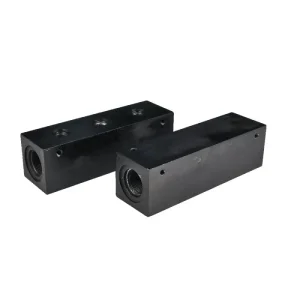
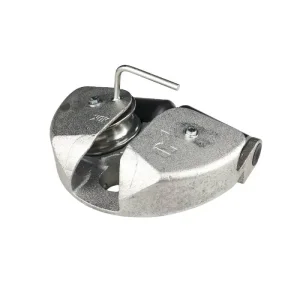
Browse the remainder of our hot-selling product selection, manufactured in our Ningbo facility.
 Haochu Machinery